The quick answer
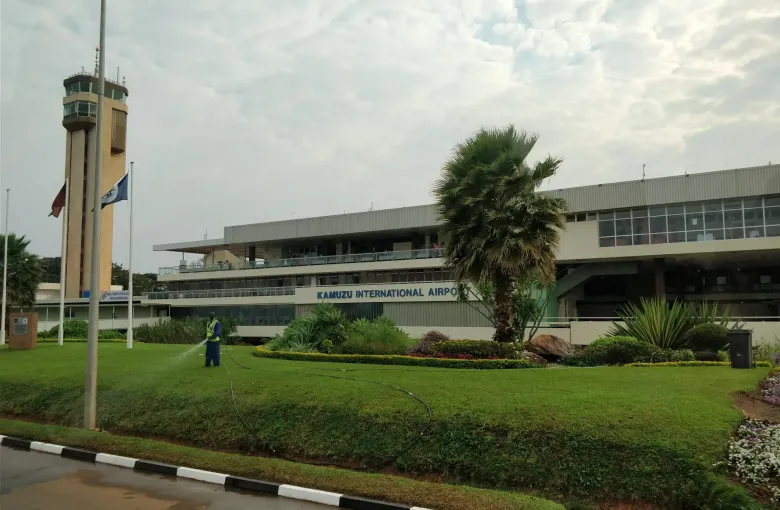
The currency is the Malawian kwacha. You will use it for everything inside the country, and you will need US dollars in cash for one thing before you get there: the visa on arrival.
Start with the visa
The FCDO advises bringing US dollars in cash to pay for a visa on arrival, at the published rates of 50 US dollars single entry, 150 US dollars for six-month multiple entry and 250 US dollars for one year. Bring clean, undamaged notes; worn bills are refused more often across the region than travelers expect.
If you would rather not arrive holding that much cash, apply for an e-visa in advance through the Malawi Immigration website. See Malawi Visa and Entry Requirements.
Cards, ATMs and the practical reality
Larger hotels, lodges and established tour operators in Lilongwe and Blantyre generally take cards. Almost nothing else does. Assume cash for markets, transport, fuel, tips, park fees and anything at all outside the main centers.
ATMs exist in the cities and larger towns and are the normal way to obtain kwacha. Treat them the way you would anywhere with thin banking infrastructure: carry cards from more than one issuer, tell your bank you are traveling, and never let your cash reserve fall to the point where one empty machine becomes a problem. Draw what a stretch of the itinerary needs before you leave a town, not when you arrive somewhere smaller.
⚠ The reason to carry more than you think
This is the part of a Malawi money guide that is genuinely different from most. The FCDO states that many medical facilities expect up-front payment, and advises making sure you have adequate travel health insurance and accessible funds to cover treatment, medical evacuation and repatriation.
Insurance that reimburses you later is not the same as money available today. Know how you would actually pay, in the country, at short notice, and make sure someone traveling with you knows too.
Where money is most likely to be taken from you
The FCDO records that most thefts from tourists take place around main bus stations in urban areas, and describes a risk of mugging and bag-snatching. Its advice, which is worth following exactly: do not walk in quiet areas especially after dark, leave valuables and cash in a hotel safe where one is available, and keep copies of important documents somewhere separate.
It also warns of drink and food spiking, with people robbed after eating drugged food. Do not accept food or drink from strangers. And be cautious of over-friendly approaches offering guiding, selling, or claiming to know you.
Everyday spending
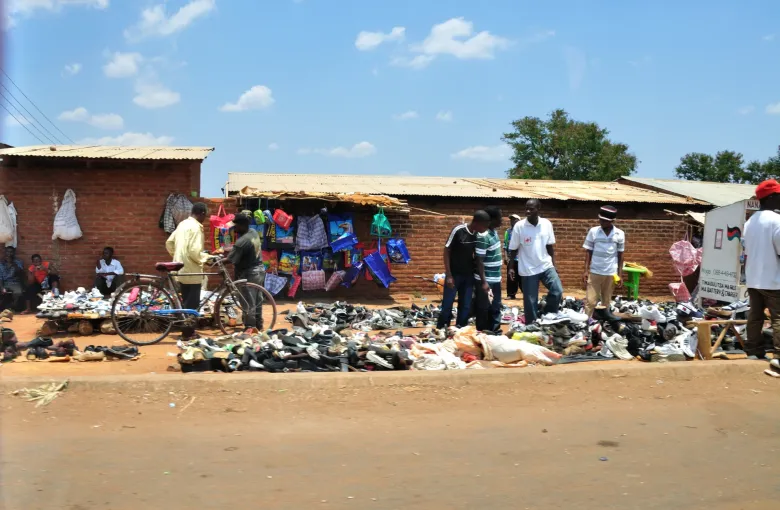
Small notes are worth collecting and holding. Markets, transport, and tipping are all easier when you are not asking a stall holder to break a large one, and roadside markets like the one in the photograph at the top of this page run entirely on small change. How to handle prices and tipping politely is in Malawi Culture and Etiquette.
Two things you must not buy
- Uncut precious gemstones. Buying them is illegal.
- Wildlife products. It is illegal to buy, sell, kill or capture protected wildlife or trade its parts without a license, and ivory is illegal outright. Being caught buying or carrying these means prosecution and a prison sentence or a fine.
Fuel is a cash-flow question too
The FCDO records frequent fuel shortages and long queues, and warns against assuming fuel will be available on your route. If you are driving, that means filling when you can rather than when you need to, and holding cash to do it. See Getting Around Malawi.
Sources
- UK Foreign, Commonwealth & Development Office: Malawi entry requirements: passport validity, visas on arrival and their fees, and the Traveller Health Check form. Accessed 14 September 2026.
- UK Foreign, Commonwealth & Development Office: Malawi safety and security: crime, kidnap, road travel, fuel, local laws and the rainy season. Accessed 14 September 2026.
- UK Foreign, Commonwealth & Development Office: Malawi health advice, including cholera and the standard of healthcare. Accessed 14 September 2026.
Other Articles
Getting Around Malawi
Malawi Food Guide