The quick answer
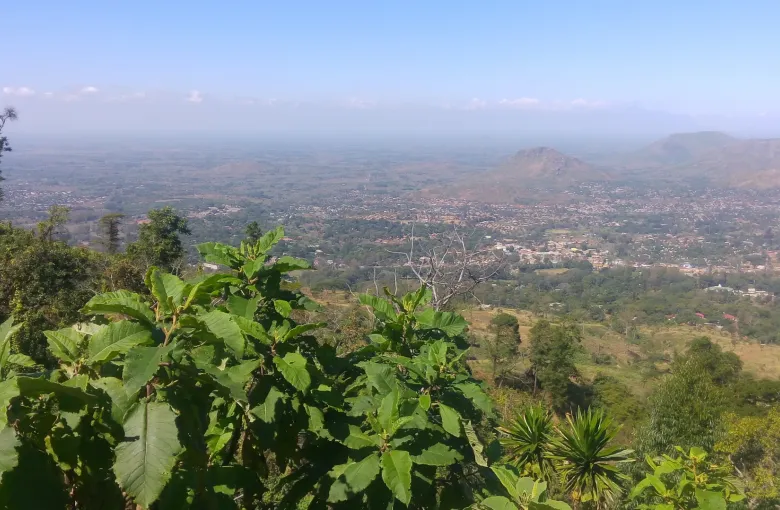
Pack for two climates at once: hot and humid at the lake and in the Shire Valley, genuinely cold at night on the Zomba Plateau, the Nyika and Mulanje. Then pack a real medical kit, because the FCDO tells you to carry basic medical supplies and means it.
Clothing
- Lightweight layers rather than a single warm item. You may need shorts at midday and a fleece the same evening.
- A genuine insulating layer if the highlands are on your route. Nights on the plateau are cold and rooms are rarely heated.
- A waterproof shell if you travel between November and April, when cyclones and floods are common.
- Long sleeves and long trousers for evenings. This is mosquito protection first and clothing second, since malaria transmission covers the whole country.
- Modest clothing. The FCDO advises dressing conservatively outside the main tourist areas to avoid causing offense. Knees and shoulders covered is the straightforward reading.
- Walking shoes with grip. Mulanje and the plateaus involve real walking on rough ground, and rock-art sites are approached on foot.
- Swimming things, with the bilharzia section below read first.
The medical kit
The FCDO's position is that general medical facilities throughout Malawi cannot provide the standard of care available in the UK, that rural facilities are basic, that emergency services are limited, and that you should carry basic medical supplies.
- Antimalarials as prescribed. The CDC gives the transmission area as all of Malawi, with chloroquine resistance, so the choice of drug matters and is a prescription decision.
- Insect repellent with DEET, and treated clothing if you are spending evenings outdoors. A plug-in or a coil for the room is worth its weight.
- Oral rehydration salts. With cholera transmission described as widespread and tap water unsafe in places, this is the item most likely to be needed.
- Water treatment as a backup to bottled water.
- Hand sanitizer. Hand washing is the main defense against cholera and typhoid.
- Prescription medicines in original labeled packaging, split across bags, with a copy of the prescription.
- Wound care, blister care, painkillers, antihistamine, and rehydration for the children if any are traveling.
The CDC also records that rabies vaccines may only be available in larger suburban or urban medical facilities in Malawi, which is worth raising at a travel clinic before departure.
⚠ Before you pack the swimming things
Lake Malawi is the reason most people come, and bilharzia is present in fresh water. The CDC lists schistosomiasis as a risk from wading, swimming, bathing or washing in freshwater lakes and rivers. Many lodges have views on which stretches and which times of day carry least risk, and treatment after exposure is straightforward if you know to ask for it.
Take local advice before you get in, and read Lake Malawi National Park, which sets this out in full. Do not let it stop you enjoying the lake; do let it stop you swimming without asking.
Money and documents
- US dollars in cash for the visa on arrival, in clean notes. The fees are 50, 150 or 250 US dollars depending on the visa.
- Cards from more than one issuer, and enough kwacha in hand for anywhere outside the main towns.
- A copy of your passport, visa or residence permit to carry. Police sometimes ask for identification.
- Your Traveller Health Check form, completed in advance.
- Insurance documents, including how to reach the medical evacuation line.
Worth having, hard to replace
- A headlamp or torch, and a power bank. Power is not continuous everywhere.
- A dry bag if the lake or the rains are on your itinerary.
- Binoculars, which are unrestricted here and genuinely useful: Malawi's birdlife is one of its quiet pleasures.
- A universal plug adapter and a spare charging cable.
What to leave behind
Conspicuous jewelry and anything you would be distressed to lose, given the risk of mugging and bag-snatching the FCDO describes around urban bus stations. And leave room in the bag: you will want to bring back the carvings and the cloth, and not the gemstones or the wildlife products, both of which are illegal to buy. See Malawi Travel Safety Guide.
Sources
- UK Foreign, Commonwealth & Development Office: Malawi safety and security: crime, kidnap, road travel, fuel, local laws and the rainy season. Accessed 14 September 2026.
- UK Foreign, Commonwealth & Development Office: Malawi health advice, including cholera and the standard of healthcare. Accessed 14 September 2026.
- UK Foreign, Commonwealth & Development Office: Malawi entry requirements: passport validity, visas on arrival and their fees, and the Traveller Health Check form. Accessed 14 September 2026.
- US Centers for Disease Control and Prevention: Travelers’ Health, Malawi: malaria, schistosomiasis, cholera, rabies and routine vaccination. Accessed 14 September 2026.
Other Articles
Malawi Weather Guide
Lake Malawi National Park: Visitor and Heritage Guide