The quick answer
Malawi has one wet season and one dry one. The rains run roughly November to April; the dry months run roughly May to October. Almost every practical decision about a Malawi trip follows from which of those you are in.
The rains, and what they actually do
The FCDO is direct about this, and its language is worth quoting rather than softening. Cyclones and floods are common during the rainy season from November to April. They often cause landslides, which close roads and disrupt travel and public transport. Floods can make areas of Malawi inaccessible.
That is a materially different warning from "expect some rain". If you travel in those months, build slack into every transfer, keep your route under review, and follow local authority advice. The FCDO points to the Department of Climate and Meteorological Services and the World Meteorological Organization for updates.
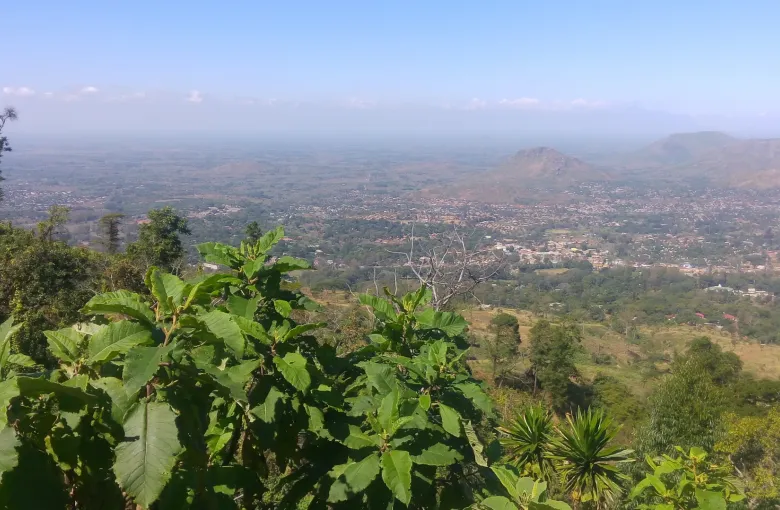
The compensations are real: the country is green, the waterfalls run, the Mulanje massif and the Zomba Plateau are at their most dramatic, and there are far fewer visitors.
The dry season
May to October. Roads are at their most reliable, the skies are clear, and the lake is at its most inviting. It gets progressively hotter and dustier toward the end, with October the hottest stretch before the rains break. This is the window most itineraries are built around, and Best Time to Visit Malawi goes through what else is happening in it.
Altitude splits the country in two
Malawi is not one climate. The Shire Valley and the lakeshore are low, hot and humid. The highland country, the Zomba Plateau, the Nyika and the Mulanje massif, is markedly cooler, and genuinely cold at night, which catches people out because they packed for the lake.
The FCDO lists altitude sickness as a risk in parts of Malawi, which surprises visitors who think of it as a lake destination. Pack layers. See Malawi Packing List.
Earthquakes
The FCDO lists earthquakes as a risk in Malawi. The country sits in the East African Rift, which is also why the lake is there. It is not a reason to change plans; it is a reason to know what the advice is before you need it.
The seasons decide the health risks too
- Cholera follows the rain. The FCDO records that Malawi experienced the largest cholera outbreak in its history in late 2022 and early 2023, and that cases are likely to rise again during the rainy season. The CDC describes active transmission as widespread. Drink treated or bottled water and wash your hands; tap water may not be safe, especially in rural areas.
- Malaria is year-round and everywhere. The CDC gives the transmission area as all of Malawi, so this is not a seasonal calculation, though mosquito numbers rise with standing water after the rains.
- Bilharzia does not have a season. Schistosomiasis is a risk from wading, swimming, bathing or washing in fresh water at any time of year. It is the one thing about Lake Malawi that every visitor should know before they arrive, and it is set out fully in Malawi Travel Safety Guide.
What this means for planning
If your trip is about the lake and the road, go in the dry season. If it is about landscape, photography and having the place largely to yourself, the rains are worth the disruption, provided the itinerary can absorb a closed road. What does not work is a tight, long-distance schedule in February.
Sources
- UK Foreign, Commonwealth & Development Office: Malawi safety and security: crime, kidnap, road travel, fuel, local laws and the rainy season. Accessed 14 September 2026.
- UK Foreign, Commonwealth & Development Office: Malawi health advice, including cholera and the standard of healthcare. Accessed 14 September 2026.
- US Centers for Disease Control and Prevention: Travelers’ Health, Malawi: malaria, schistosomiasis, cholera, rabies and routine vaccination. Accessed 14 September 2026.
Other Articles
Best Time to Visit Malawi
Malawi Packing List