
Why visit
Why visit Austria?
Austria holds twelve World Heritage properties in a country you can cross in a day, and the reason to come is that it is really two countries with two calendars. The alpine west is set by snow and by what is open: high roads and passes that reopen when the snow lets them rather than on a date, valleys that empty and fill with the season. The eastern city belt around Vienna is set by the concert and market season, which peaks exactly when the mountains are least interesting. A trip that tries to do both at once usually compromises one, so the first decision is which Austria you came for.
The safety picture is unusually simple. There is no advisory against travel to any part of Austria: no restricted region, no border zone, nowhere to avoid. What the advisory does carry is a terrorism assessment, which is that terrorists are likely to try to carry out attacks, and the alpine hazards, which exist all year rather than only in winter. If any part of your trip goes above the treeline, that is a reason to check conditions on the morning rather than to change the plan.
Three of the twelve carry this guide, and choosing three is an editorial decision rather than a ranking. The Historic Centre of the City of Salzburg was inscribed in 1996, the Historic Centre of Vienna in 2001, and the Hallstatt Dachstein Salzkammergut Cultural Landscape in 1997. Two things follow that are easy to get wrong and that this guide is careful about: what is inscribed in the two cities is the historic center and not the whole city, and the Palace and Gardens of Schoenbrunn is a separate property rather than part of the Vienna one. The Wachau, the Semmering Railway, Graz, the Danube Limes and the prehistoric pile dwellings are all separately inscribed too, and we would rather say so than let a selection of three read as a verdict on the rest.
Two Austrian specifics are worth carrying before you arrive, because the first is the inverse of its neighbor's. Austrian law requires that you always have easy access to your passport, and the Austrian authorities do not accept a driving license as official identification. Germany, next door, has no legal requirement to carry identification at all, and the Netherlands requires it from the age of fourteen, so the rule does not travel with you across a Schengen itinerary. And covering your face in a public place is generally illegal, with a fine of up to 150 euros. Both sit on our travel safety guide, along with the ticket validation fine that catches more visitors than either.
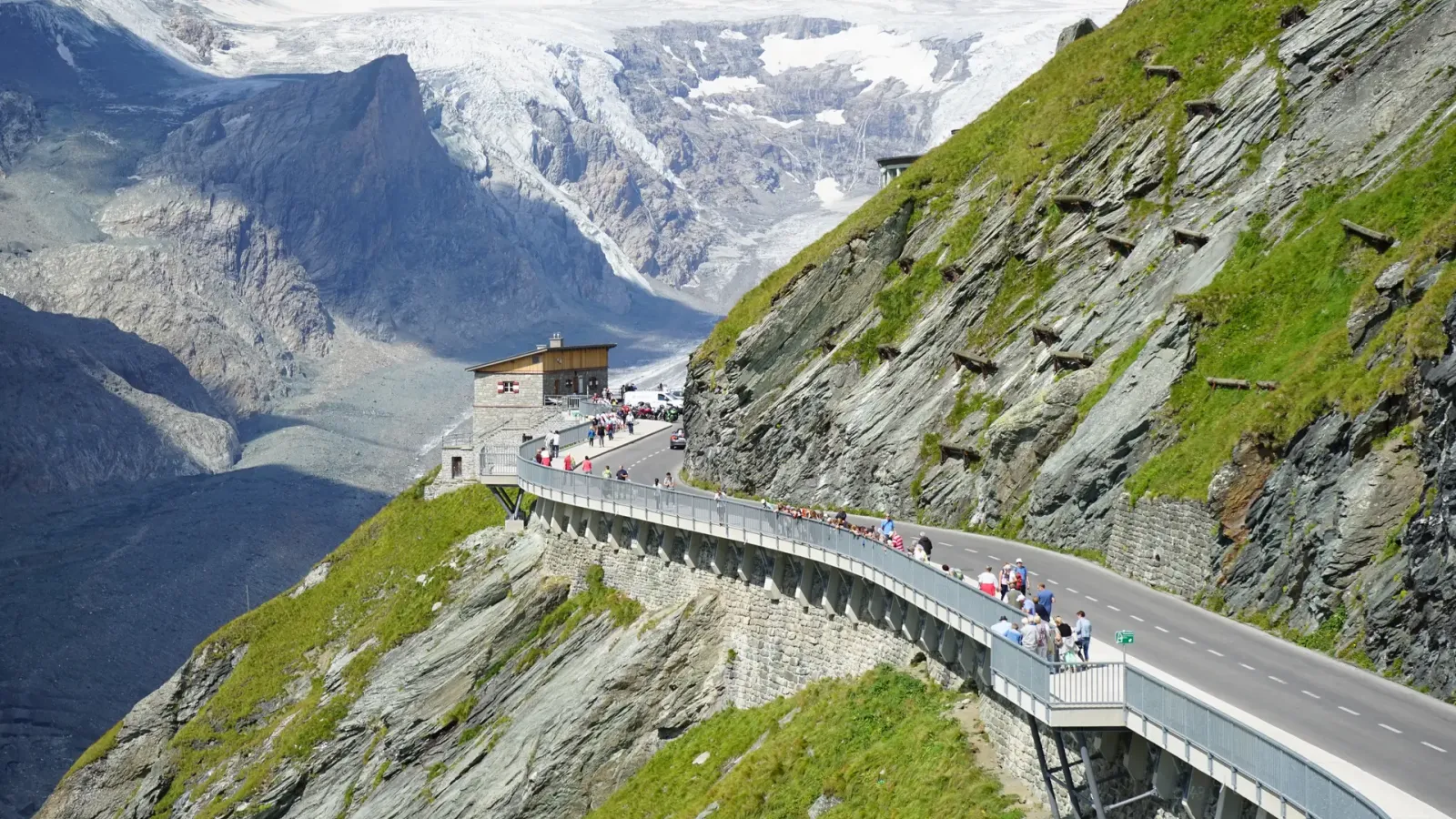
Top places to visit
Popular Attractions
in Austria
-
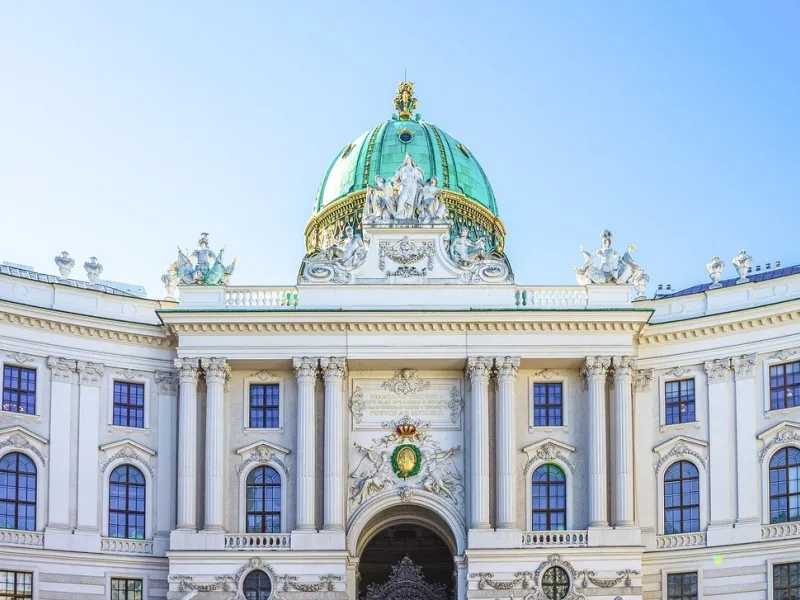
The Historic Centre of Vienna
What is inscribed is the historic center, not the city: the medieval core, the Baroque quarters and the Ringstrasse, inscribed in 2001. It has been on the List of World Heritage in Danger since 2017 over high rise development, which is a conservation finding and says nothing about visiting. See the Historic Centre of Vienna guide.
-
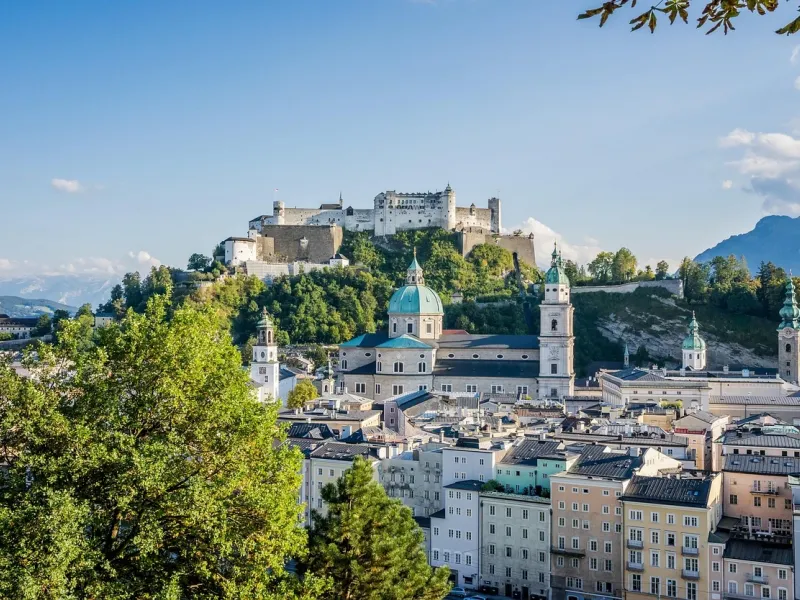
The Historic Centre of Salzburg
Inscribed in 1996 for a townscape that survived intact: two street patterns, the burghers' town and the prince archbishops' town, meeting at the foot of the fortress. Again the inscription is the center and not the modern city around it. See the Historic Centre of Salzburg guide.
-
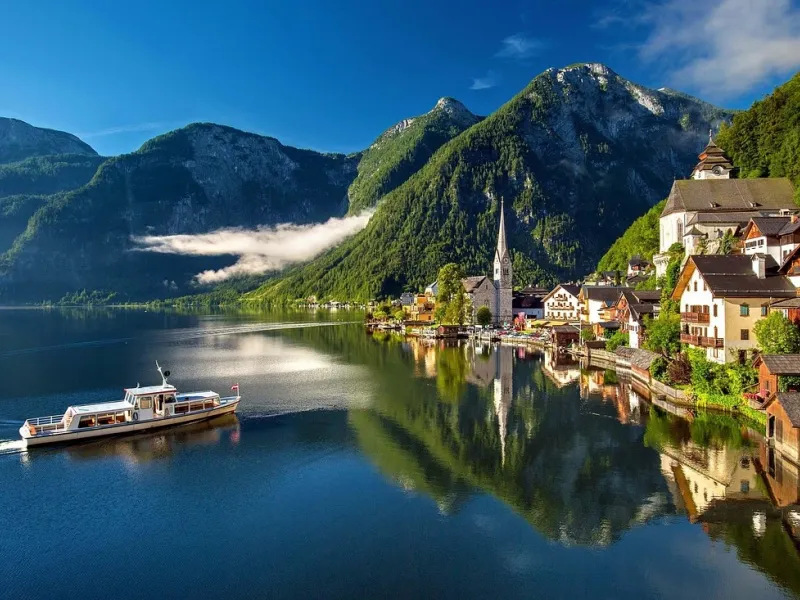
Hallstatt Dachstein Salzkammergut
A cultural landscape inscribed in 1997, and the one Austrian property on this list that is a region rather than a townscape. What it records is three thousand years of salt: the mine above the village is why anyone lived on a shore that narrow. See the Hallstatt Dachstein Salzkammergut guide.
-
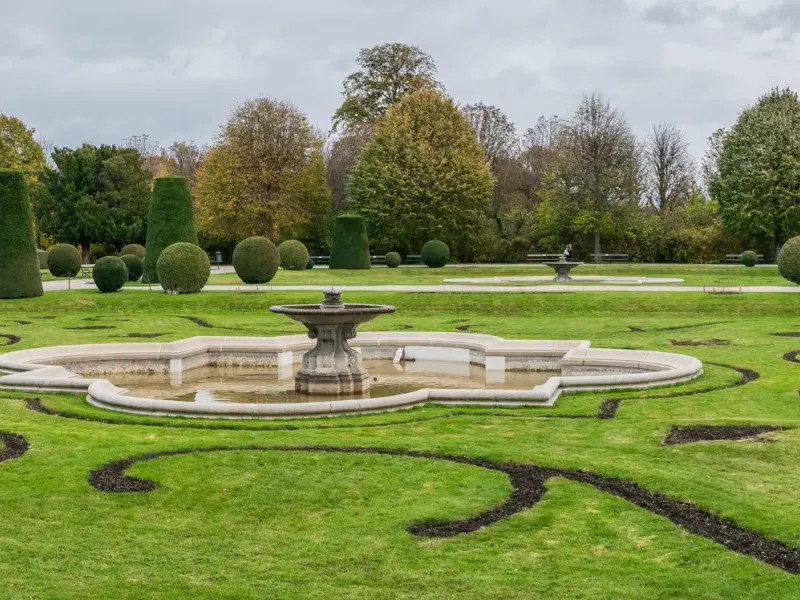
Schoenbrunn, which is its own inscription
The Palace and Gardens of Schoenbrunn is a separate World Heritage property and not part of the Historic Centre of Vienna, which is worth knowing because almost every itinerary treats it as a Vienna sight. Sixteen hundred rooms, a Baroque garden laid out as one composition, and the oldest zoo in the world inside it. See the Historic Centre of Vienna guide, which explains the distinction.
-
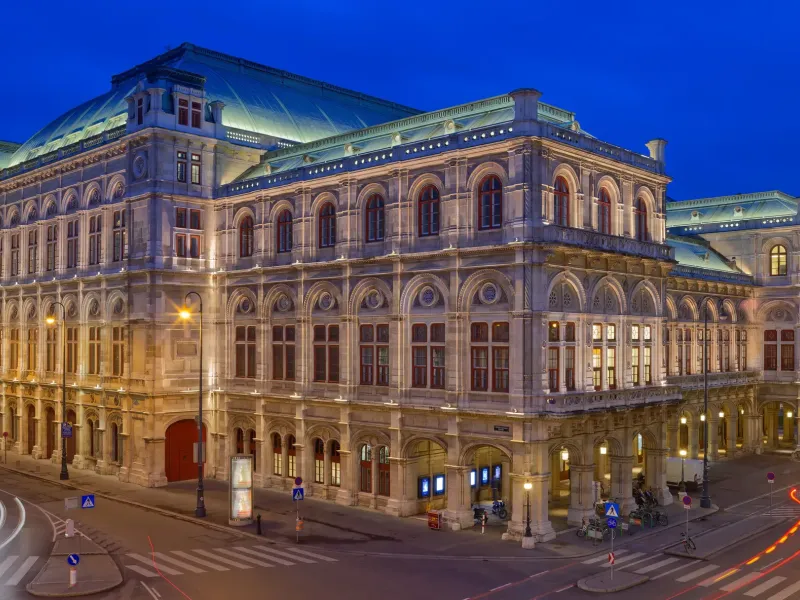
The concert and ball season
Vienna's calendar is a music calendar, and from Advent to Carnival the city is at its busiest and its most expensive. We publish no dates for it: the markets are tied to Advent and the balls move with Carnival, so both move every year. See festivals and celebrations, which gives you the rule instead.
-
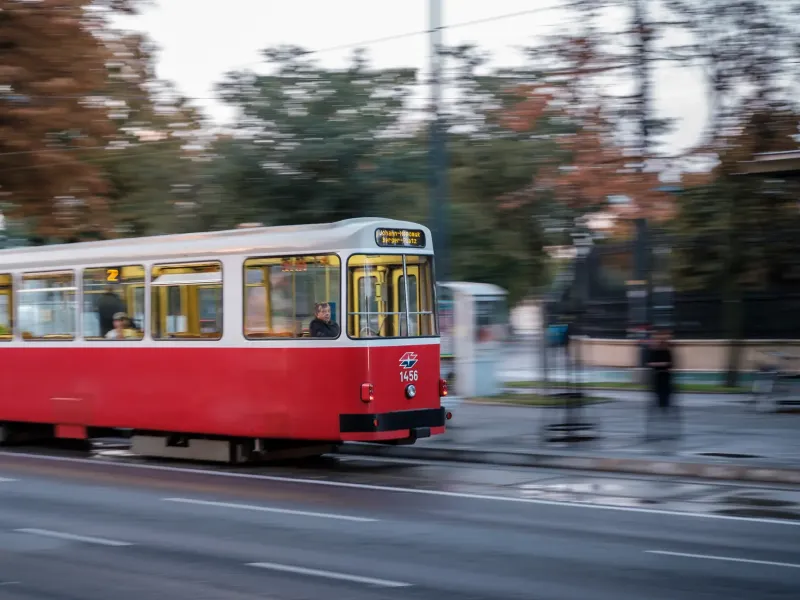
A country you can cross without a car
Trams, an underground and an intercity rail network that reaches the valleys, which is why most of our Austrian itineraries do not hire a car. One rule catches visitors: you must validate your ticket in a machine before you travel, and buying it is not validating it. The on the spot fine is 100 to 500 euros. See getting around Austria.
The guide
Explore Austria by Interest
Planning
Food and Culture
Heritage and History
Traveler Resources
Before you go
Planning
a trip to Austria
-
Best Time to Visit Austria
Late spring or early autumn, if you want one answer, and we say plainly that it is an editorial recommendation. Austria runs two calendars: an alpine west set by snow and by what is open, and a city belt around Vienna set by the concert and market season. They peak at different times. See the best time to visit guide and the weather guide.
-
Entry, Money and Getting Around
Austria follows Schengen rules, so the allowance is 90 days in any 180 day period counted across the whole area rather than across Austria, which matters here because seven of the eight countries Austria borders are in Schengen. It is also more of a cash country than you expect. See visa and entry requirements, money in Austria and getting around.
-
Before You Book
There is no advisory against travel to any part of Austria. Three things are worth carrying in advance: you must always have easy access to your passport and a driving license is not accepted as identification, covering your face in public is illegal and the fine is up to 150 euros, and the alpine hazards are a year round matter rather than a winter one. All three are on the travel safety guide.
Signature experiences
Signature
Austria experiences
-

A plate, and an afternoon nobody moves you from
Austrian eating is slower than its reputation for efficiency suggests, and the coffee house is the clearest case: one cup buys the table for as long as you want it. See our food guide.
-

A market morning, and the greeting that decides it
Greet first and the exchange goes well; open with the question and it goes flat. That single habit explains most of what visitors read as Austrian formality, and a market stall is where you will notice it first. See culture and etiquette.
-
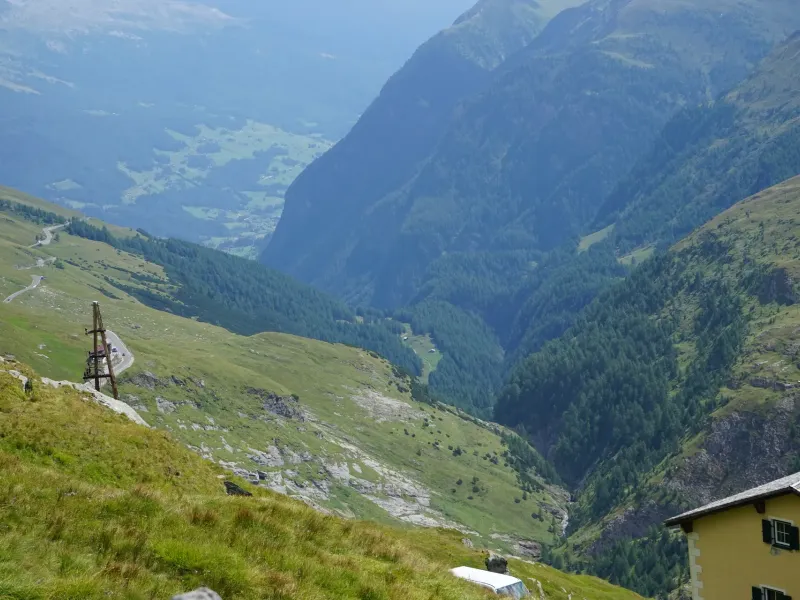
A valley, a parish, and the register still kept in it
Austrian emigration was largely rural, so a family history trip works from the valley outward rather than from the capital inward, and the records that matter are parish and civil registers held locally. See Austrian roots and family history travel.
LABUSA Travel plans group and private travel to Austria for travelers who want the country rather than the postcard: the regional trains, the market mornings, the valley a family came from, and the three World Heritage properties this guide covers in detail. We will tell you when a season is wrong for what you want, and we publish the closures and the rules rather than working around them.
Tell us what the trip is for and we will build it in the order that works.
Common questions
Austria Travel FAQs
- Do I need a visa to visit Austria?
- Austria follows Schengen area rules, so many nationalities can visit without a visa for up to 90 days in any 180 day period. The allowance belongs to the whole Schengen area and not to Austria: time spent in any other Schengen country in the previous 180 days counts against it. That matters more here than almost anywhere, because Austria borders eight countries and seven of them are in Schengen, so a trip that also touches Germany, Italy, Hungary, Slovakia or the Czech Republic is spending the same ninety days. Your passport must have a date of issue less than ten years before you arrive and an expiry date at least three months after you plan to leave the Schengen area.
- Is there an advisory against travel to Austria?
- No. The UK Foreign, Commonwealth and Development Office carries no advisory against travel to any part of Austria: no restricted region, no border zone and nowhere to avoid. What its pages do carry for Austria is a terrorism assessment, which is that terrorists are likely to try to carry out attacks, and the alpine hazards, which exist all year rather than only in winter.
- Do I have to carry identification in Austria?
- Yes, and this is the rule visitors get wrong most often. Austrian law requires that you always have easy access to your passport, and easy access means you can produce it quickly, so a passport in a hotel safe on the other side of the city is not compliance. The Austrian authorities do not accept a driving license as official identification. Do not assume the rule travels with you: Germany has no legal requirement to carry identification at all, and the Netherlands requires it from the age of fourteen. All three are ordinary stops on one Austrian itinerary.
- Can I drive in Austria on a US license?
- Yes. A US license lets you drive in Austria, and the rules of the road are strictly enforced. It does not identify you: the same license that is accepted at the wheel is not accepted as official identification, which is why the passport rule above is separate from this one. The two are easy to conflate and they answer different questions.
- Is it illegal to cover your face in Austria?
- Covering your face in public places is generally illegal in Austria, and the fine is up to 150 euros. The law is written about clothing and objects that conceal the face, there is a published list of exemptions, and it is enforced. It is worth knowing before you arrive rather than at a checkpoint.
- Do I need to validate my transport ticket?
- Yes, and buying the ticket is not validating it. On Austrian public transport you must validate your ticket in a machine before you start your journey, and traveling with an unvalidated ticket carries an on the spot fine of 100 to 500 euros. If you buy a multi day ticket or a pass, ask at the point of purchase whether it validates once or every time.
- How much cash can I take to Austria?
- There is no limit on what you may carry, but you must declare cash or travelers checks worth 10,000 euros or more when you enter or leave the European Union. Below that there is nothing to declare. Austria is also more of a cash country than most visitors expect: cards work in cities and in anything aimed at visitors, while mountain huts, some market stalls and some small family operators have stayed attached to cash, and coins matter for public toilets and luggage lockers.
- How many World Heritage sites does Austria have?
- Twelve properties are inscribed on the World Heritage List. This guide carries three of them in detail: the Historic Centre of the City of Salzburg, inscribed in 1996; the Historic Centre of Vienna, inscribed in 2001; and the Hallstatt Dachstein Salzkammergut Cultural Landscape, inscribed in 1997. What is inscribed in the two cities is the historic center and not the whole city, and the Palace and Gardens of Schoenbrunn is a separate inscription rather than part of the Vienna one. Choosing three from twelve is an editorial decision rather than a ranking, and the guide says which properties were left out and why.
- Is Vienna on the World Heritage in Danger list?
- The Historic Centre of Vienna has been on the List of World Heritage in Danger since 2017, over high rise development in and around the inscribed area. That is a conservation finding about the property and it says nothing whatever about visiting: it is not a safety warning, nothing is closed because of it, and Vienna is one of the easiest cities in Europe to spend a week in.
- What is the best time to visit Austria?
- Late spring and early autumn, if you want one answer. Both give the widest choice and the fewest closures, and they are what most of our group itineraries are built around. Austria really has two calendars, though: an alpine west set by snow and by what is open, and a city belt around Vienna set by the concert and market season. They peak at different times, so decide first whether the trip is about mountains or about cities, because that decides the season.
- When do the Christmas markets and the ball season start?
- We publish no dates for either, on this page or on any guide. The Advent markets are tied to Advent and the ball season moves with Carnival, so both move every year and a date printed on a travel page outlives its accuracy by years. Check the city tourist office for the year you are traveling. The one Austrian date that does not move is Austrian National Day on 26 October, when public buildings open and a good deal else closes.