The short version
Austria's event calendar is unusual in this program because it is dominated by music rather than by religious or national observance, and because three of its four big seasons move every year.
⚠ We publish no dates for any moveable event on this page, and that is deliberate rather than lazy. The ball season is tied to carnival and therefore to Easter; the Advent markets open in Advent; the summer festivals set their own dates annually. A date printed on a travel page is the single thing most likely to be wrong by the time somebody reads it, and a visitor who books flights against it has a real problem rather than a small one.
The summer festival season
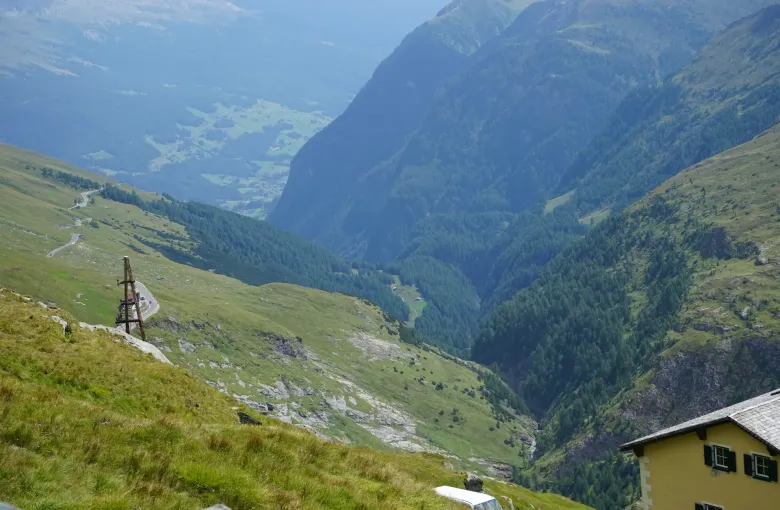
Austria's summer is a festival circuit. The Salzburg Festival is the one with international standing, and it takes over the city: opera, drama and concerts in the cathedral square, the Festspielhaus and the Felsenreitschule. Around it, Bregenz stages opera on a floating stage on Lake Constance, Graz and the provincial capitals run their own programs, and the smaller alpine towns hold chamber music weeks.
The practical consequence matters more than the program. During the Salzburg Festival the city is full, accommodation is scarce and expensive, and the old town is at its least pleasant to walk. If the festival is the reason you are going, book far ahead. If it is not, consider going before or after it.
The ball season
Austria's ball season runs through the carnival period and there are hundreds of them, from the Vienna Opera Ball down to balls held by professional associations, the coffee house owners and the confectioners. They are formal in a way that has no American equivalent: white tie or tails for the Opera Ball, and a genuine expectation that guests can dance a Viennese waltz.
Tickets for the major balls are sold long in advance and some are effectively closed. If a ball is on your list, treat it as the fixed point the rest of the trip is arranged around.
The Advent markets
The Christkindlmärkte are the reason Austria's cities are busiest in the coldest weeks of the year. Vienna's Rathausplatz market is the largest and the best known; Salzburg's, in the cathedral and residence squares, is the most photographed; and the small-town markets in the Salzkammergut and the Tyrol are the ones our guides send people to.
They open in Advent, which moves, and they mostly close before or around Christmas Eve rather than running to New Year. Check the current year's opening and closing with the city rather than assuming either end of it.
The one date that does not move
Austrian National Day is 26 October. It marks the 1955 declaration of permanent neutrality, it is a public holiday, and it has two consequences for a visitor. Public buildings, including some normally closed to the public, open for the day and are free. And almost everything else closes, including the shops.
If your trip crosses that date, plan it as a museum day and buy food the day before.
Corpus Christi, and why it is not listed with a date
Austria is a predominantly Catholic country and its public holiday calendar reflects that. Several of the holidays that close the shops are tied to Easter and therefore move: Easter Monday, Ascension, Whit Monday and Corpus Christi among them. Assumption on 15 August, All Saints on 1 November and the Immaculate Conception on 8 December are fixed, and all three are days when Austrian shops shut.
The planning point is simple: check the public holiday calendar for the specific year of your trip, because a closed country is an expensive surprise and it is entirely avoidable.
Regional traditions worth timing a trip around
- The Alpabtrieb, when the cattle come down from the high pastures in autumn, decorated and belled. It is a working event rather than a show, and the dates depend on the grass and the weather.
- Krampus runs in the alpine provinces in early December, which are loud, genuinely frightening and not aimed at small children.
- Village and valley music festivals through the summer, which are the least touristed thing in this guide and often the best.
Verify Before You Travel
- The festival's or market's own website, for this year's dates, which we do not print here.
- The Austrian public holiday calendar for the year of your trip, for the days when the country closes.
Sources
- UK Foreign, Commonwealth & Development Office: Austria travel advice: no advisory against travel to any part of the country. Accessed 16 September 2026.
Other Articles
Austria Culture and Etiquette
Tracing Austrian Roots