
Why visit
Why visit Germany?
Germany holds fifty five World Heritage properties, one of the largest counts of any country on earth, and the reason to come is that they are not all in the same Germany. The north is maritime, wind off two seas and wet in any season. The east is continental, with colder winters and hotter summers. The Rhine and Mosel corridor in the south west is the warmest and most sheltered part of the country, which is why the wine is there. And the alpine south is a mountain country with its own calendar. A trip that treats Germany as Berlin plus a castle gets a smaller country than the one that is there.
The safety picture is simple in one direction and worth reading carefully in the other. There is no advisory against travel to any part of Germany: no restricted state, no border zone, nowhere to avoid, and crime levels are described as similar to the United Kingdom. The terrorism assessment is stronger than for any other country in this batch, which we would rather print than smooth over: terrorists are very likely to try to carry out attacks, attacks could be indiscriminate, and the German authorities regularly report disrupting planned attacks and making arrests. Both halves of that belong on the page.
Three of the fifty five carry this guide, and choosing three is an editorial decision rather than a ranking. Cologne Cathedral was inscribed in 1996, begun in 1248 and not completed until 1880. Museumsinsel in Berlin followed in 1999, five museums built between 1824 and 1930. And The Palaces of King Ludwig II of Bavaria were inscribed in 2025, which makes them the newest World Heritage property this site covers anywhere. Note what that last one is: a serial property of four palaces, so Neuschwanstein is one of four components rather than an inscription of its own, which is the single most common mistake made about Germany. The Upper Middle Rhine Valley, Potsdam and Berlin's palaces and parks, Aachen, Speyer, Trier, Hildesheim, Naumburg, Regensburg and Bergpark Wilhelmshoehe are all separately inscribed too, and we would rather say so than let a selection of three read as a verdict on the rest.
One German specific is worth carrying before you arrive, because it is the opposite of its neighbor's. It is not a legal requirement to carry identification in Germany. What the advisory records is the consequence of not having it: if you cannot show identification when asked, the police can escort you to get your passport. Austria, next door, requires by law that you have your passport within quick reach and does not accept a driving license as official identification, and the Netherlands requires identification from the age of fourteen, so the rule does not travel with you across a Schengen itinerary. Our travel safety guide sets out the difference, along with the counterfeit currency warning that is the most practical thing on it.
Top places to visit
Popular Attractions
in Germany
-
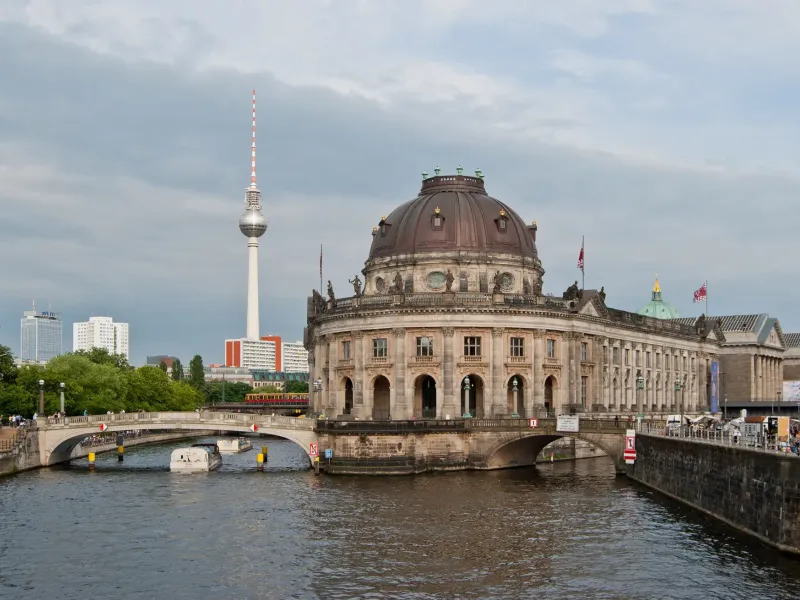
Museumsinsel, Berlin
Five museums built between 1824 and 1930 on 8.6 hectares in the middle of the city, inscribed in 1999. What is inscribed is the group and its setting rather than the collections, and each building was designed to sit with the art it holds. See the Museumsinsel guide.
-
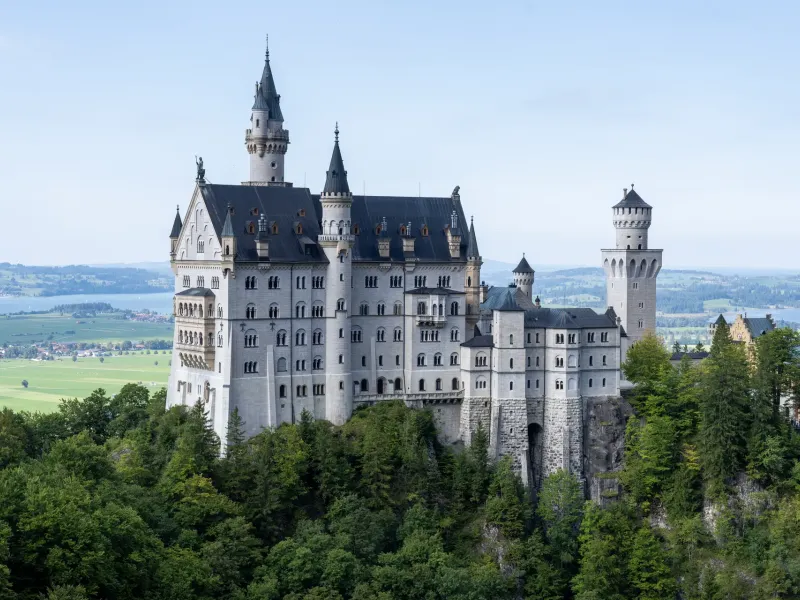
The Palaces of King Ludwig II
Inscribed in 2025, the newest World Heritage property this site covers anywhere, and a serial of four: Neuschwanstein, Linderhof, Schachen and Herrenchiemsee, built between 1868 and 1886. Neuschwanstein is one of the four rather than the property. See the Ludwig palaces guide.
-
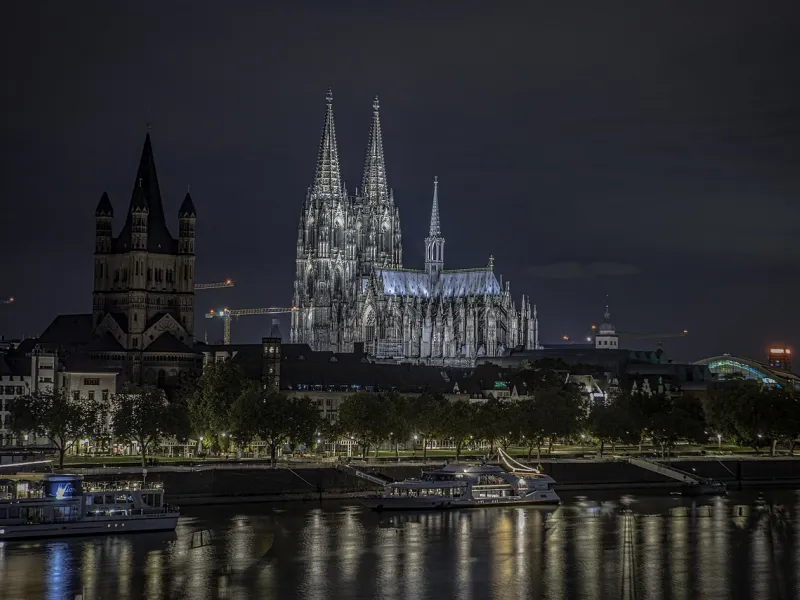
Cologne Cathedral
Begun in 1248 and not completed until 1880, and inscribed in 1996. Over seven centuries the builders kept absolute fidelity to the original plans, so this is a thirteenth century design finished in the nineteenth. It stands directly outside the main station. See the Cologne Cathedral guide.
-

The Upper Middle Rhine Valley
Terraced vineyards, castles on the ridgelines and the warmest, most sheltered corner of the country, which is why the wine is here. It is separately inscribed and this guide does not carry a page on it, which we would rather say than imply. See our weather guide, because this valley is the reason Germany's south west is not like the rest of it.
-

The Christmas markets
The reason a great many people come, and the busiest and most expensive weeks of the German year. They are tied to Advent, so they move, and they are better in the small towns than in the famous ones. We publish no dates. See festivals and celebrations, which gives you the rule instead.
-
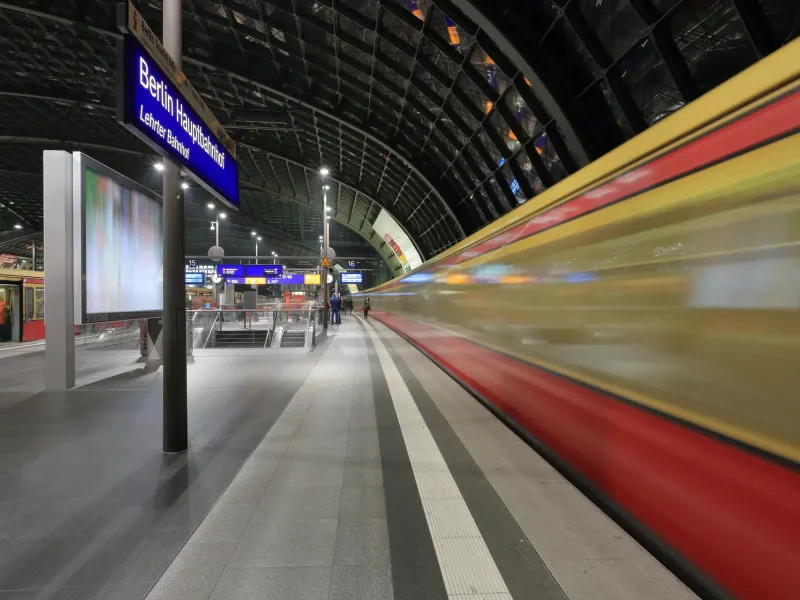
A country you cross by train
An intercity network that reaches almost everywhere worth going, and cities built around trams and an underground rather than around parking, which is why most of our German itineraries hire no car at all. One habit matters: ask at the counter whether your ticket needs stamping. See getting around Germany.
The guide
Explore Germany by Interest
Planning
Food and Culture
Heritage and History
Traveler Resources
Before you go
Planning
a trip to Germany
-
Best Time to Visit Germany
Late spring or early autumn, if you want one answer, and we say plainly that it is an editorial recommendation. Germany runs four calendars: a river and cathedral belt, a forest middle, an alpine south and a city festival season, and they do not peak together. See the best time to visit guide and the weather guide.
-
Entry, Money and Getting Around
Germany follows Schengen rules, so the allowance is 90 days in any 180 day period counted across the whole area rather than across Germany, which matters here because Germany borders nine countries and every one of them is in Schengen. It also runs on more cash than you expect. See visa and entry requirements, money in Germany and getting around.
-
Before You Book
There is no advisory against travel to any part of Germany and crime levels are similar to the United Kingdom. Three things are worth carrying in advance: it is not a legal requirement to carry identification here, though the police can escort you to get your passport if you cannot show it; change money only at banks and machines and check your change; and the terrorism assessment is that attacks are very likely to be attempted. All three are on the travel safety guide.
Signature experiences
Signature
Germany experiences
-

Something cooked over a fire in a cold square
German winter food is street food, and the market stall is where the country's cooking is least formal and most enjoyable. Take cash: a stall is exactly where a card is least likely to work. See our food guide.
-
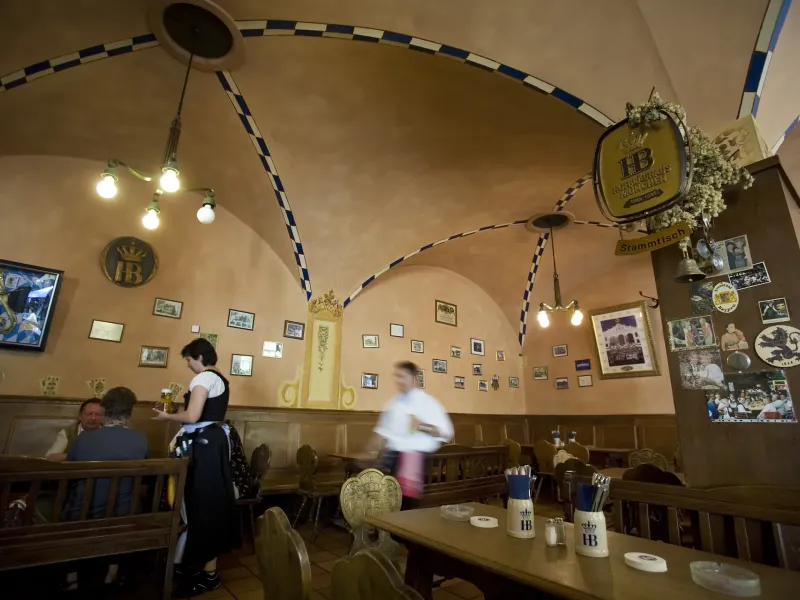
A long table, and nobody hurrying you off it
A beer hall or a beer garden is where people eat rather than a place visitors are taken, the beer is regional and the right question is what is local. Nobody brings the bill until you ask. See culture and etiquette.
-
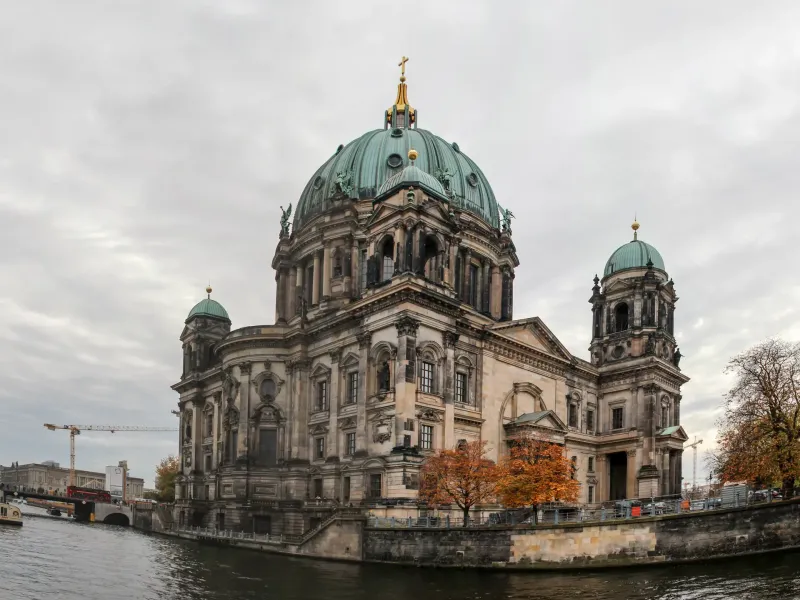
A parish register, and the church it was kept in
German records are excellent and they are held by the parish, the town and the state rather than nationally, so a family history trip works outward from one village. Establish what the place was called in the year they left before you book anything. See German roots and family history travel.
LABUSA Travel plans group and private travel to Germany for travelers who want the country rather than the postcard: the regional trains, the market mornings, the river valleys, the village a family came from, and the three World Heritage properties this guide covers in detail. We will tell you when a season is wrong for what you want, and we publish the closures and the rules rather than working around them.
Tell us what the trip is for and we will build it in the order that works.
Common questions
Germany Travel FAQs
- Do I need a visa to visit Germany?
- Germany follows Schengen area rules, so many nationalities can visit without a visa for up to 90 days in any 180 day period. The allowance belongs to the whole Schengen area and not to Germany: time spent in any other Schengen country in the previous 180 days counts against it. That matters more here than almost anywhere, because Germany borders nine countries and every one of them is in Schengen. Your passport must have a date of issue less than ten years before you arrive and an expiry date at least three months after you plan to leave the Schengen area, and it has to satisfy both tests rather than either.
- Is there an advisory against travel to Germany?
- No. The UK Foreign, Commonwealth and Development Office carries no advisory against travel to any part of Germany: no restricted state, no border zone and nowhere to avoid. Its crime assessment is that crime levels are similar to the United Kingdom. Its terrorism assessment is that terrorists are very likely to try to carry out attacks, which is stronger wording than the same office uses for Austria, the Netherlands or Switzerland, and it also records that the German authorities regularly report disrupting planned attacks and making arrests.
- Do I have to carry identification in Germany?
- No. It is not a legal requirement to carry identification in Germany. What the advisory does record is the consequence of not having it: if you cannot show identification when asked, the police can escort you to get your passport, and they will ask for a passport and, for residents, a residence card as well. Do not assume the rule travels with you, because it does not. Austria requires by law that you have your passport within quick reach and does not accept a driving license as official identification, and the Netherlands requires identification from the age of fourteen.
- Can I drive in Germany on a US license?
- Yes. A US license lets you drive in Germany and the rules of the road are strictly enforced. Two seasonal points matter more than the paperwork: in winter the high routes need winter tires and often chains, and some are closed outright, so check the road reports before you set out. And if your route crosses into or out of Poland, there are temporary border checks on that border and vehicles may be stopped and documentation checked.
- Do I need cash in Germany?
- More than you expect. Cards work in cities, hotels, chains and anything built for visitors, and they work less reliably in bakeries, market stalls, small family restaurants, rural guesthouses and mountain huts, some of which still take no cards at all. Coins matter for public toilets, luggage lockers and parking machines. There is one warning attached to paying cash here: the advisory says to change money only at banks, cash machines or official exchanges, and to check your change, because people have been arrested for trying to pay with counterfeit currency they were handed themselves.
- How much money can I bring into Germany?
- There is no limit on what you may carry, but you must declare any amount above 10,000 euros, in cash or in other forms of payment, when you enter or leave. Below that there is nothing to declare, and the threshold applies to the total you are carrying rather than to each person in your group.
- How many World Heritage sites does Germany have?
- Fifty five properties are inscribed on the World Heritage List, one of the largest counts of any country. This guide carries three of them in detail: Cologne Cathedral, inscribed in 1996; Museumsinsel in Berlin, inscribed in 1999; and The Palaces of King Ludwig II of Bavaria, inscribed in 2025. Choosing three from fifty five is an editorial decision rather than a ranking, and the guide says which properties were left out and why.
- Is Neuschwanstein a World Heritage Site?
- Not on its own, and this is the thing most often got wrong about Germany. What is inscribed is The Palaces of King Ludwig II of Bavaria, a serial property of four palace complexes, and Neuschwanstein is one of the four alongside Linderhof, Schachen and Herrenchiemsee. The inscription was made in 2025, which also makes it the newest World Heritage property this site covers anywhere. A visitor who sees only Neuschwanstein has seen a quarter of the property, and it is the quarter that photographs best rather than the one that explains most.
- Was Cologne Cathedral built in the Middle Ages?
- It was begun in the Middle Ages and finished in the nineteenth century. Construction began in 1248 and was not completed until 1880, and what makes the building remarkable is what happened in between: over seven centuries, successive builders kept absolute fidelity to the original plans rather than modernizing them. So the cathedral is a thirteenth century design completed in the nineteenth century, which is why much of the fabric is not medieval even though all of the design is.
- When does Oktoberfest start, and when are the Christmas markets?
- We publish no dates for either, on this page or on any guide, because both move. Oktoberfest runs from the middle of September to the first Sunday in October, so most of it is not in October at all. The Christmas markets are tied to Advent, and Karneval moves with Easter. Check the city tourist office for the year you are traveling. The one German date that does not move is the Day of German Unity on 3 October, and note that other public holidays vary by state rather than nationally.
- Can I bring food into Germany?
- Not meat or milk, or anything containing them: those cannot be taken into European Union countries at all, and the narrow exceptions are things like powdered baby milk, baby food and special foods or pet feed required for medical reasons. That includes the sandwich you made for the flight, and it is enforced at airports. More generally, the rules on goods are strict and you must declare anything that may be prohibited or subject to tax or duty.
- Do I need vaccinations for Germany?
- No vaccination is required for entry, and the question worth asking is a different one. The US Centers for Disease Control and Prevention asks travelers to be up to date on routine vaccines and to be fully vaccinated against measles, suggests considering hepatitis A for most travelers, and raises tick-borne encephalitis for anyone planning extensive time outdoors, which is a real question for a walking trip in German forest country. Start that conversation at least eight weeks before you travel. The emergency medical number in Germany is 112.