The short version
Germany is small enough to cross in a day and large enough to have four working climates, and the difference between them decides your packing far more than the month does.
The north is maritime: wind off two seas, changeable, wet in any season, milder in winter and cooler in summer than the rest of the country. The east is more continental: colder winters, hotter and drier summers, bigger swings. The south west, the Rhine and Mosel corridor, is the warmest and most sheltered part of Germany, which is why the wine is there. The alpine south is a mountain climate and belongs in a category of its own.
We publish no temperature figures anywhere in this guide, because nothing we read for it states one for anywhere in Germany, and an invented average is worse than no average.
Altitude decides more than the season
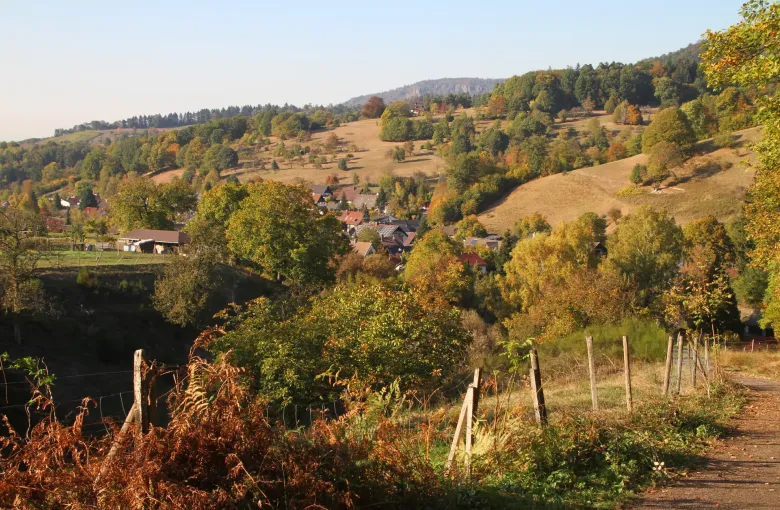
This is the part visitors underestimate. In the Bavarian Alps and the Black Forest, the Harz and the other upland regions, the height of the ground does more to the day than the date does. A valley floor in October can be mild and comfortable while the ridge above it is in cloud, wind and the first snow.
The advisory makes a related point that surprises people: altitude sickness is a risk in parts of Germany, in the mountainous regions. It is not a country most travelers associate with altitude, and if your itinerary goes high it is worth reading about before you go.
Rain is a year round fact, not a season
There is no dry season in Germany. Rain arrives in every month, most reliably in the north and west, and the practical response is not a rain month to avoid but a jacket you actually carry. Our packing list is built around that.
Summer rain in the uplands often comes as a thunderstorm rather than as drizzle, which matters if you are above the treeline when it arrives.
Winter, and what it does to a plan
Winter is where the four climates diverge most. On the coast it is wet and windy and rarely severe. In the east it is colder and clearer. In the south it is a ski season, with real snow and real consequences: take advice on weather and avalanche conditions before you travel, and understand that off-piste skiing can invalidate a travel insurance policy.
For a driver, the season changes the vehicle rather than the route. In winter the high routes need winter tires and often chains, and some of them are simply closed. Treat any itinerary that depends on a single high pass as provisional and check the road reports on the morning.
The short answer for each kind of trip
- Cities and cathedrals: any month works, with a coat and a jacket you can layer. The shoulder months are pleasantest.
- Rhine and Mosel: late spring to early autumn, for the terraces and the harvest.
- Coast and islands: high summer, and even then pack for wind.
- Alps in summer: check the forecast the morning you walk, not the night before.
- Alps in winter: a ski trip with a ski trip's equipment and insurance.
Verify Before You Travel
- The German national weather service, for the forecast for the region you are actually in rather than for the country.
- The UK Foreign, Commonwealth & Development Office Germany safety page, for avalanche and winter sports advice.
- The UK Foreign, Commonwealth & Development Office Germany health page, for the altitude warning.
- The operator for any lift, pass or high road you plan to use, for whether it is open.
Sources
- UK Foreign, Commonwealth & Development Office: Germany travel advice: no advisory against travel to any part of the country. Accessed 16 September 2026.
- UK Foreign, Commonwealth & Development Office: Germany safety and security: the terrorism assessment, the counterfeit currency warning, the personal identification rule and the winter sports advice. Accessed 16 September 2026.
- UK Foreign, Commonwealth & Development Office: Germany health: the emergency medical number, the eight week vaccination window and the altitude warning. Accessed 16 September 2026.
Other Articles
Best Time to Visit Germany
Germany Packing List