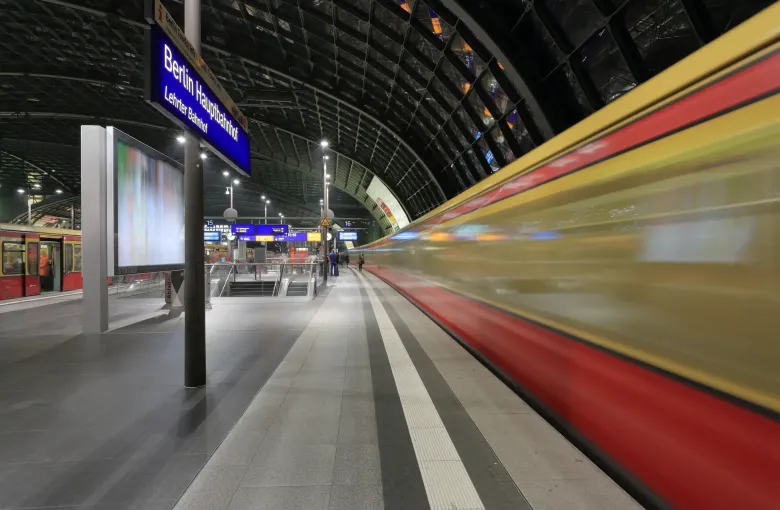
The short version
Germany does not have one best season, because it does not have one landscape or one kind of trip. It has a river and cathedral belt along the Rhine and the Mosel, a forest and upland middle, an alpine south, and a set of cities that run on their own calendar of concerts, markets and festivals. Those four peak at different times.
If you want one answer: late spring and early autumn give you the widest choice and the fewest closures, and they are what most of our group itineraries are built around.
Late spring, which is the safest single answer
By late spring the cities are warm enough to be spent outdoors, the river valleys are green, the terraces are open and the alpine roads and passes have reopened after the winter. Those high routes are seasonal and they do not reopen on a date you can predict from a calendar, because it depends on the snow. If a driving day depends on one, check before you build the day around it.
It is also the honest answer for the Rhine and the Mosel. A river valley in late spring is doing what it is famous for and is not yet full.
Summer
Summer is when the mountains are fully open, the lakes are swimmable and the long light makes a city evening feel twice as long. It is also when the cathedral towns, the castles and anything with a car park are at their busiest. Everything works; you simply share it.
Two practical notes. Mountain weather in summer changes fast, and the alpine hazards in Germany exist all year rather than only in winter. And if your trip involves walking in forest or upland country, this is tick season: the vaccination question is on our travel safety guide and it is worth raising with a clinic weeks before you go, not the week you leave.
Autumn
Autumn is the season this company recommends most often and the one visitors think about least. The crowds thin, the Rhine and the Mosel are in harvest, the forests turn, and the cities get their light back. Days shorten quickly and the first snow can reach the high ground early, which again is a reason to check rather than assume.
The Day of German Unity is 3 October and does not move. Public buildings and a good deal of retail close, which is worth knowing whether you want to be part of it or not.
Advent and winter, which are two different trips
In the cities, Advent is the Christmas market season and it is the single busiest and most expensive stretch of the German year. Accommodation in the market cities genuinely runs out. In the south, winter is the ski season, and the practical questions are about equipment, insurance and avalanche conditions rather than about dates.
We do not print the opening dates of the Christmas markets, or the dates of Oktoberfest, or the dates of Karneval, on this page or anywhere in this guide. All three move every year. The markets are tied to Advent, Oktoberfest runs from the middle of September to the first Sunday in October, and Karneval moves with Easter. A date on a travel page outlives its accuracy by years. Check the city tourist office for the year you are traveling.
How to choose, in one paragraph
Decide first what the trip is about, because that decides the season. Rivers and cathedrals: late spring or early autumn. Alps and lakes: summer. Markets and concerts: Advent, and book early. Skiing: winter, and read the insurance section before you book. If the trip is two of those, put the outdoor half in the shoulder months and accept that you are not seeing the other half at its peak.
Verify Before You Travel
- The operator or tourist office for any alpine road, pass or lift you intend to use, for this year's opening and closing.
- The city tourist office for the dates of any market or festival, because we publish none.
- The UK Foreign, Commonwealth & Development Office Germany safety page, for the alpine and winter sports advice.
Sources
- UK Foreign, Commonwealth & Development Office: Germany travel advice: no advisory against travel to any part of the country. Accessed 16 September 2026.
- UK Foreign, Commonwealth & Development Office: Germany safety and security: the terrorism assessment, the counterfeit currency warning, the personal identification rule and the winter sports advice. Accessed 16 September 2026.
Other Articles
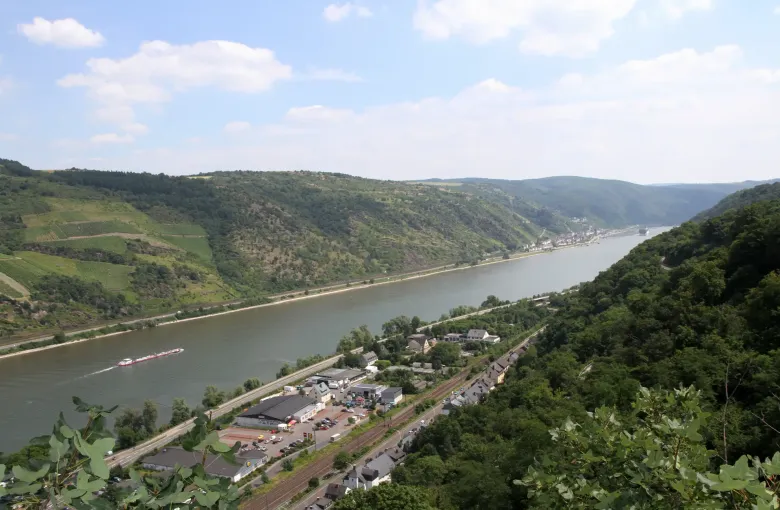
Germany Weather Guide
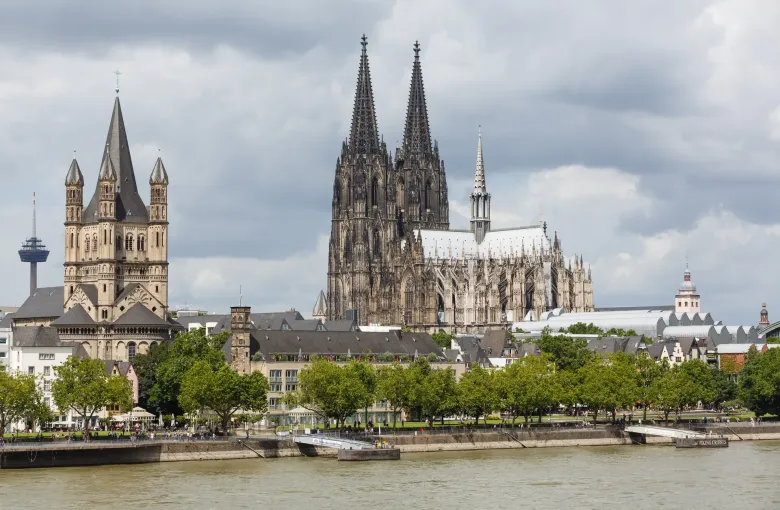
Cologne Cathedral: Visitor and Heritage Guide