The short version
Germany has one of the fullest festival calendars in Europe and almost none of it is on a fixed date. That is the single most useful thing this page can tell you, because it is the reason your dates and the festival's dates have to be checked against each other rather than assumed.
We publish no dates on this page. Not for the markets, not for Oktoberfest, not for Karneval. A date printed on a travel page outlives its accuracy by years, and this is a country where getting it wrong means either missing the thing you came for or arriving in the most expensive week of the year by accident.
The Christmas markets
The markets are the reason a great many people come to Germany, and they are tied to Advent, which moves. They run in almost every town of any size, they are better in the small places than the famous ones, and in the market cities they are the busiest and most expensive weeks of the German year.
Two planning consequences. Accommodation in a market city genuinely runs out, so this is the one season to book months rather than weeks ahead. And the markets are outdoor evening events in a northern winter: the packing question is warmth and waterproofing rather than style.
Oktoberfest, which is mostly in September
It runs from the middle of September to the first Sunday in October, so it moves with the calendar and most of it is not in October at all. It is in Munich, it is enormous, and it changes the city entirely: accommodation prices, transport crowding and the character of the evening are all different for the duration.
If you want it, book far ahead and expect the city to be full. If you do not want it, that is an equally good reason to check the dates: Munich during the festival is not the Munich a visitor imagines when they plan a quiet few days.
Karneval, Fasching and the pre-Lent season
The carnival season peaks in the days before Ash Wednesday and therefore moves with Easter. It is at its strongest in the Rhineland, above all in Cologne, Duesseldorf and Mainz, where it takes over the city for several days with parades, costume and a great deal of drinking.
It is genuinely worth planning for in either direction. Rhineland cities during carnival are one of Europe's great street parties; they are also crowded, loud and short of hotel rooms, and some businesses close.
Summer festivals and the wine season
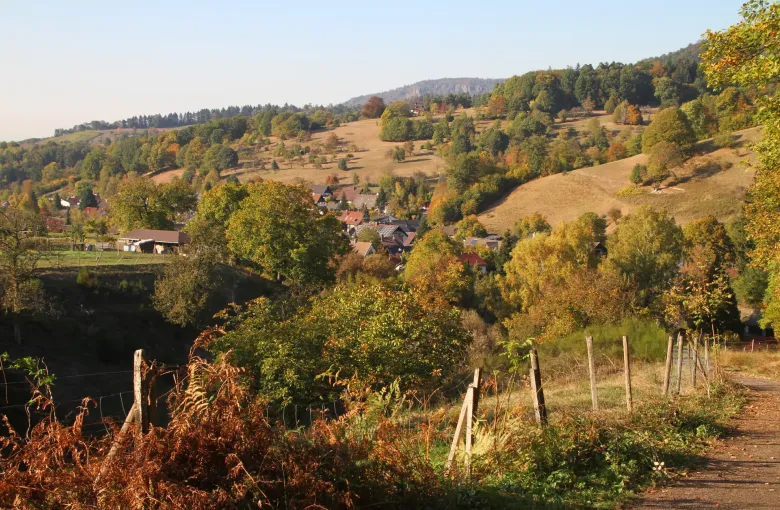
The Rhine and Mosel wine towns run festivals through the late summer and autumn harvest, and they are the opposite of the big set pieces: small, local, in a square, and the best way to spend an evening in a river village. Every town has its own and the dates are local.
The cities run open air music and culture programs across the summer. The useful approach is to ask the tourist office of the specific town what is on in your week rather than to plan a trip around a national calendar that does not exist.
⚠ The one date that does not move
The Day of German Unity is 3 October. It is a national public holiday, public buildings and most retail close, and it is the one German date you can write down.
Other public holidays vary by state, which is a detail visitors miss. Germany is a federal country and a holiday that closes everything in Bavaria may be an ordinary working day in Hamburg. If your trip crosses states, check the state you will actually be in.
Crowds, and one safety note
All of the above are crowded public gatherings, and the advisory names crowded public places and gatherings among the situations to be alert in, both for the terrorism assessment and for pickpocketing. That is not a reason to avoid a market or a parade. It is a reason to carry your bag in front of you and keep the passport somewhere else, which is on our travel safety guide.
Verify Before You Travel
- The city or town tourist office for the dates of any market, festival or carnival in the year you are traveling, because we publish none.
- The public holiday calendar for the specific German state you will be in, not for Germany as a whole.
Sources
- UK Foreign, Commonwealth & Development Office: Germany travel advice: no advisory against travel to any part of the country. Accessed 16 September 2026.
- UK Foreign, Commonwealth & Development Office: Germany safety and security: the terrorism assessment, the counterfeit currency warning, the personal identification rule and the winter sports advice. Accessed 16 September 2026.
Other Articles
Germany Culture and Etiquette Guide
Germany and Diaspora Reconnection