The short version
There is no German national dish, and the search for one is why visitors come home thinking German food is heavy. It is regional before it is national, and the regions do not agree with each other about anything: not the bread, not the sausage, not the beer, not whether the main starch is a potato or a dumpling.
The other thing to know is that the best of it is cheap and daily rather than expensive and special. A German bakery at seven in the morning is a better argument for the country's food than any restaurant.
The regional kitchens, in one line each
- The north. Coast and harbor food: fish, herring in every preparation, smoked and pickled things, and a bread culture built on rye and dark sourdoughs.
- The west, along the Rhine and the Mosel. A wine kitchen. Lighter, sourer, built around what goes with a Riesling, and the one part of Germany where the cooking looks over the French border.
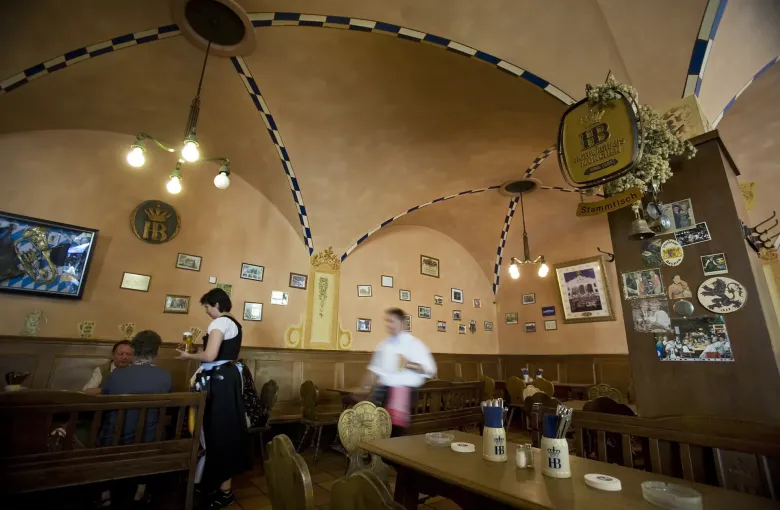
- The south, Bavaria and the alpine edge. Pork, dumplings, roasts, pretzels and beer, eaten in rooms built for long tables. This is the Germany the rest of the world pictures.
- The east. Its own tradition of roasts, freshwater fish and a distinct baking culture, and worth ordering off the local menu rather than the tourist one.
Bread and the bakery
Germany's bread is the thing to arrange your mornings around. The range in an ordinary bakery is wider than in most countries' best ones, it is sold by name rather than by category, and the staff will tell you what to do with any of it if you ask. Buy a roll and a coffee and eat standing up; that is the local pattern rather than a compromise.
Markets
Every German city of any size has a market and most have several. They are where the regional cooking is visible rather than described: the cheeses, the sausages, the mushrooms in autumn, the asparagus in late spring, which is a genuine national event rather than a vegetable.
Take cash. Market stalls are exactly the place where a card is least likely to work, and coins are what a stallholder wants for a small purchase.
Beer, and how to order it
Beer in Germany is regional in the same way the food is, and the useful question in a bar is not what they have but what is local. A brewery town serves its own style and is proud of it, and ordering the thing from three hundred kilometers away marks you out more than any accent.
Beer halls and beer gardens are not tourist attractions, they are where people eat. In a garden you may be allowed to bring your own food and buy only the drink, which is a genuine local custom rather than a loophole; look at what the tables around you are doing.
Eating out, and the things that surprise people
Tap water is not usually brought to the table and asking for it is not a normal move: order the water you want. Service is unhurried by design and nobody will bring the bill until you ask. Tipping is rounding up, told to the server as you pay rather than left on the table afterwards.
Lunch is often the bigger and better value meal, especially in a small town, where the kitchen may close in the afternoon and reopen for a shorter evening. In a village, check when the kitchen closes rather than when the place closes; they are different times.
Vegetarian and other requirements
Better than the reputation, and much better in the cities than in a rural inn. The southern kitchen in particular is built on pork, so a vegetarian traveling through Bavaria should expect to choose from a short list rather than the whole menu. Say what you need at the point of ordering rather than hoping; German kitchens are direct and will tell you plainly what they can do.
Verify Before You Travel
- The city or regional tourist office for market days, which vary by town and by season.
- Your own dietary requirements with the restaurant when you book, for anything a menu will not tell you.
Sources
- UK Foreign, Commonwealth & Development Office: Germany travel advice: no advisory against travel to any part of the country. Accessed 16 September 2026.
Other Articles
Germany Culture and Etiquette Guide

Germany Festivals and Celebrations