
Why visit
Why visit Mexico?
Mexico offers stunning diversity: ancient ruins, bustling cities, and serene coastlines. Explore Mexico City’s historic center, home to museums that preserve Indigenous and Afro-Mexican heritage. Walk through Oaxaca’s vibrant markets where Zapotec and Mixtec traditions thrive. Along the Costa Chica, meet Afro-Mexican communities who keep their heritage alive through poetry, song, and storytelling. Festivals like Día de los Muertos embody Mexico’s unique way of honoring ancestors: celebrating life while remembering those who came before.
For Diaspora travelers, Mexico is more than a cultural destination. It’s a journey into shared legacies of survival, fusion, and celebration.

Top places to visit
Popular Attractions
in Mexico
-
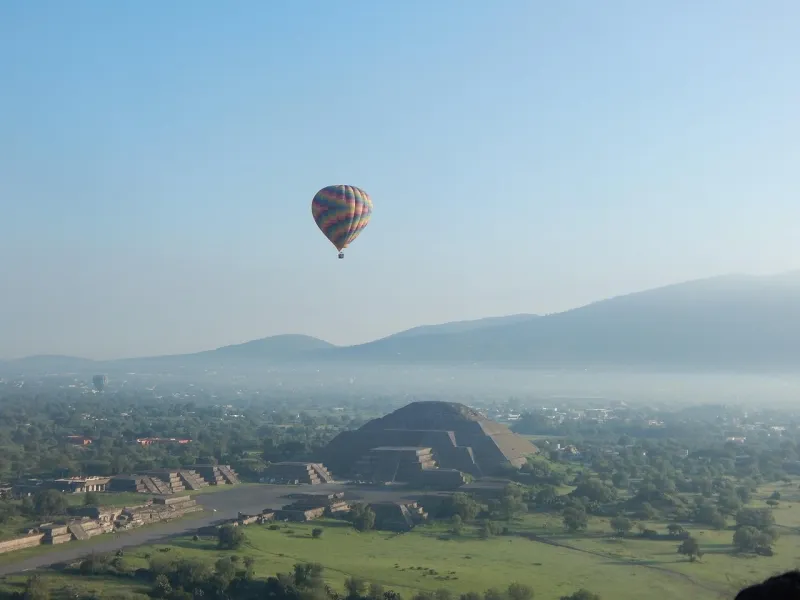
Teotihuacan: City of the Gods
Just outside Mexico City, Teotihuacan’s towering pyramids stand as a testament to ancient brilliance. Walking the Avenue of the Dead connects travelers to one of the world’s most influential civilizations.
-
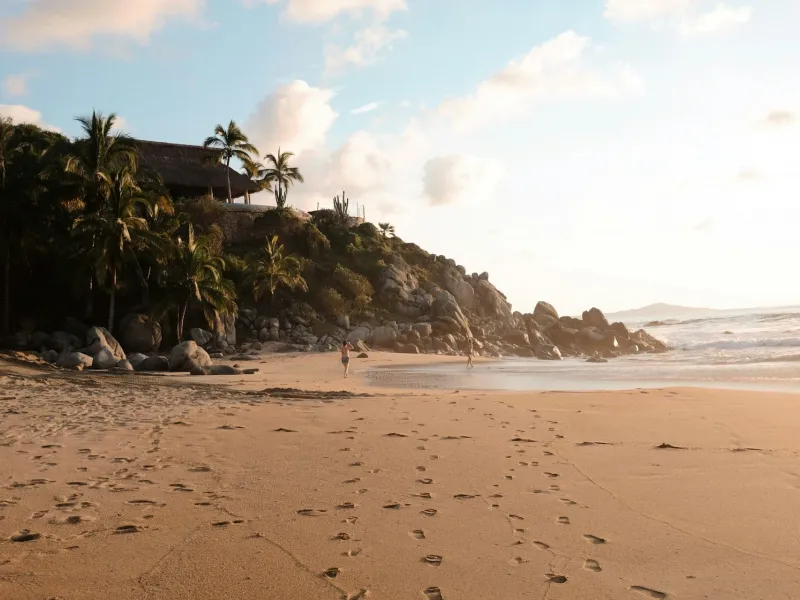
Costa Chica: Afro-Mexican Heritage
On the Pacific coast of Guerrero and Oaxaca, Afro-Mexican communities preserve language, music, and oral traditions. Travelers here experience the power of cultural survival in daily life and community festivals.
-
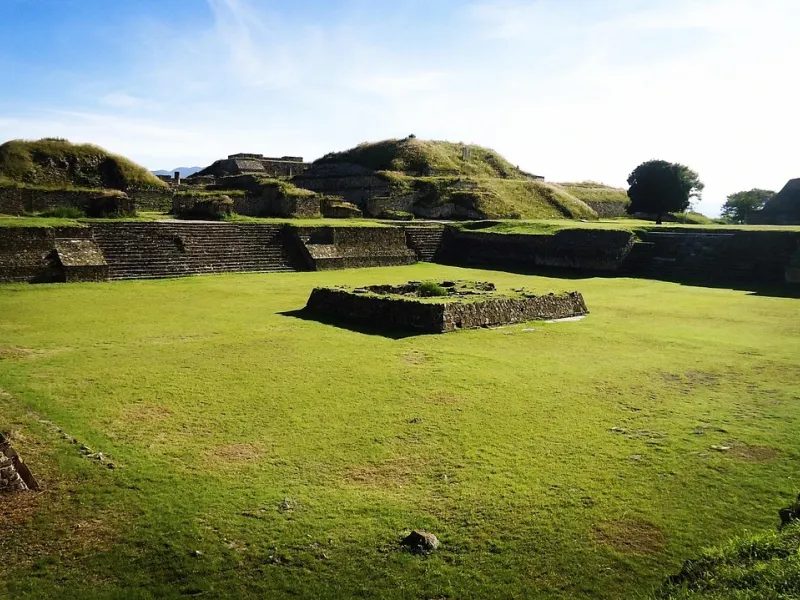
Oaxaca: Art, Flavor, and Tradition
Known for its crafts, cuisine, and Indigenous heritage, Oaxaca offers markets filled with textiles, mezcal, and regional flavors. Every corner reflects the creativity and resilience of its people.
The guide
Explore Mexico by Interest
Planning
Food and Culture
Heritage and History
Traveler Resources
Deep Expertise
We collaborate with Indigenous leaders, Afro-Mexican cultural custodians, and local historians to create journeys rooted in truth and identity. From cooking classes with Oaxacan families to Afro-Mexican storytelling sessions, LABUSA ensures authentic engagement.
Purpose-Driven Travel
Our itineraries support cultural preservation and community economies. Whether visiting artisan cooperatives, supporting Afro-Mexican heritage festivals, or exploring eco-tourism projects, your journey makes an impact.
Affordable Luxury & Authentic Moments
Stay in boutique haciendas, eco-lodges, or heritage-inspired inns. LABUSA curates accommodations that combine comfort with culture, giving travelers an authentic yet elevated experience.
Common questions
Mexico Travel FAQs
- Do I need a visa to visit Mexico?
- Mexico sets and enforces its own entry rules, and this site does not publish an answer for United States passport holders because the source cached for this cluster is written for a different nationality and does not carry one. Ask the Mexican consulate responsible for where you live, and ask close to your travel date. What is the same for everybody: your passport must be valid for the whole of your stay, the embassy recommends at least 180 days of validity because 180 days is the longest a tourist may be given, and on arrival you are stamped with the number of days you are actually allowed.
- How long can I stay in Mexico as a tourist?
- Up to 180 days, and the phrase doing the work is up to. It is a ceiling rather than a default. The immigration officer writes a number on your stamp and it is frequently 30, 60 or 90 instead of the maximum, which is why people are caught out on the way out rather than on the way in. Look at the stamp before you leave the immigration hall, read the number, and plan around that one. Overstaying carries consequences, and a hurricane or a protest can move a flight home by several days.
- Is it safe to travel in Mexico?
- Both of the short answers are wrong. There is an advisory against all but essential travel covering eleven Mexican states, whole or in part, and most of those come with written exceptions for the cities, toll roads and rail routes visitors actually use. Quintana Roo, Yucatan, Mexico City, Puebla and Oaxaca carry no advisory at all, and between them that is where the large majority of trips go. Baja California Sur is a different state from Baja California and is unaffected. The Copper Canyon railway runs through two restricted states and is explicitly excepted in both. Read it as a map rather than as a verdict, and check the current position before booking, because the boundaries move.
- Do I need a yellow fever vaccination or malaria tablets for Mexico?
- For most itineraries, neither. The US Centers for Disease Control and Prevention records yellow fever vaccine as neither recommended nor required for Mexico. Malaria transmission is limited to Campeche, Chiapas and the southern part of Chihuahua, is rare in Oaxaca, Sinaloa, Sonora and Tabasco, and there is none along the United States border; Quintana Roo, Yucatan and the capital are not transmission areas. What does need attention is food and water, and the mosquito borne illnesses for which there is no vaccine most travelers will have, so bite avoidance, bottled or boiled water and avoiding ice outside established venues matter more than either of the questions people usually ask.
- Do I have to carry my passport in Mexico?
- Yes, and this is genuinely different from the habit most travelers have. The authorities can ask to see your passport and your entry stamp, and they do not accept copies or photographs of either. If you cannot produce them, immigration officers may question you and detain you while they check your status, and they can deport you. Leaving the passport in the hotel safe with a photocopy in your wallet is the thing that gets people detained here. There is a digital registry of entry documents through the national immigration portal, which is worth retrieving as a backup rather than as a substitute.
- Can I bring a vape or e-cigarette into Mexico?
- No. It is illegal to bring electronic cigarettes, vaping devices and their solutions into Mexico, or to buy or sell them there, and customs officials confiscate them. As in several other countries, this is one of the most commonly broken rules by visitors, because the device is legal where it was bought and nobody thinks of it as a customs question.
- What is the best time of year to visit Mexico?
- December through April is dry across most of the country and is the easiest time to travel. It is also the most expensive and the most crowded, and the Caribbean coast is fully booked over the winter holidays. The rains run from about June through October, usually as a heavy afternoon downpour rather than a lost day, and the hurricane season runs from June to November on both coasts. The most interesting compromise is the very end of October into early November, when the weather is turning and the Day of the Dead falls, which is worth accepting some weather risk for. Book that one many months ahead.