Language
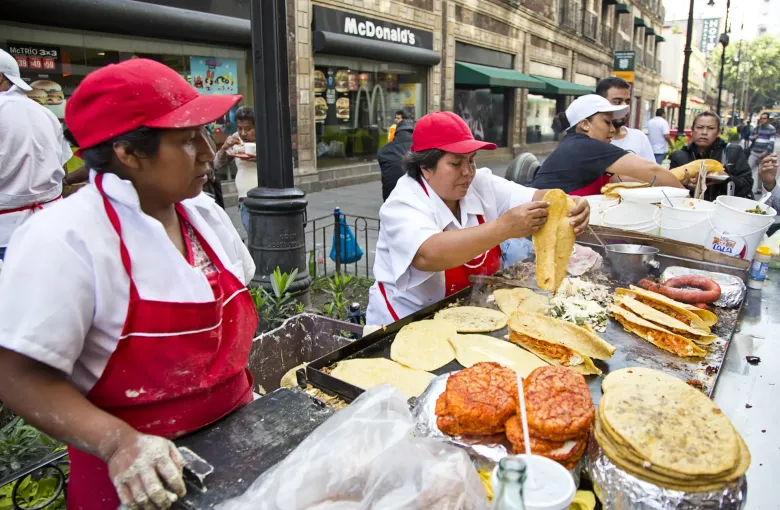
Spanish is the working language. Mexico also recognizes dozens of indigenous languages, spoken by millions of people: Nahuatl in central Mexico, Maya across the Yucatan, Zapotec and Mixtec in Oaxaca, and many more.
In the Yucatan you will hear Maya daily, and place names, food names and family names are Mayan rather than Spanish. Treating those as quaint local variants of Spanish is the commonest small insult a visitor commits without noticing.
English is widely spoken in resorts and much less so elsewhere. A little Spanish goes a long way outside the tourist corridor, and the effort is received generously.
Greetings and formality
A handshake on first meeting; between women, or a man and a woman who know each other, a single kiss on the right cheek. Senor, senora and senorita with a surname are normal with anyone older or in any official setting, and usted rather than tu until invited otherwise.
Conversation is warmer and less direct than North American conversation. Getting straight to business reads as brusque; a few minutes of pleasantries first is not a delay, it is the transaction beginning properly. Buenos dias on entering a small shop, and provecho to people already eating as you pass their table, are both expected and both cost nothing.
Photography
- Ask before photographing people, particularly in indigenous communities and markets. In parts of Chiapas and Oaxaca, photographing people without permission is taken seriously and refusal is common and should be accepted immediately.
- Ask before photographing inside a church, and expect a no in some.
- Do not photograph at a religious ceremony unless you have been told you may. This matters most around Day of the Dead, where the observance is a family visiting its own graves.
- Do not photograph police, military or checkpoints.
- Drone use is restricted at archaeological sites and in protected areas; check before flying.
Day of the Dead is not Halloween
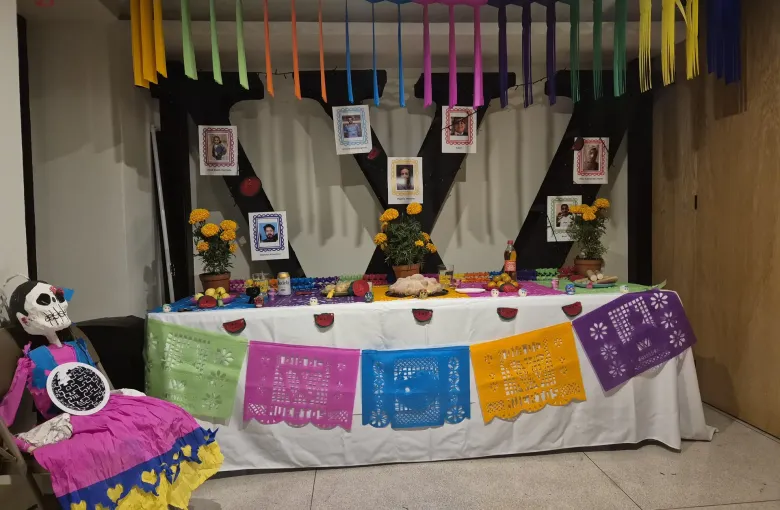
It is worth stating plainly because the two have become confused abroad. Dia de Muertos is a commemoration of specific dead relatives, with an altar built for them at home and a night spent at their graves. It is affectionate and often cheerful, and it is not a costume party. Visitors are frequently welcomed; the correct posture is a guest at a family occasion. Our Mexico festivals guide covers where and how.
Dress
Mexicans in cities dress neatly, and beachwear belongs on the beach. Cover shoulders and knees in churches. In highland cities the practical and the polite coincide, because it is cold after dark.
Buying things
Bargaining is expected in markets and not in shops, and it should be brief and good humored. In Oaxaca and Chiapas you are frequently buying directly from the weaver, potter or carver, and hard bargaining over a small sum with the maker is not a good look.
A handwoven rug or an embroidered blouse takes weeks. The machine made version on the next stall is not a price comparison. Buying from cooperatives and from makers keeps the money where the skill is.
The archaeology belongs to somebody
Mexico has thirty six World Heritage properties, twenty eight of them cultural, the most of any country in the Americas. The Maya, Zapotec, Mixtec and Nahua peoples whose ancestors built these sites are living peoples, frequently living beside them. Do not climb where climbing is prohibited, do not remove anything, and do not describe a civilization in the past tense to somebody who belongs to it.
A short list of things to get right
- Carry your passport and entry stamp, not a copy.
- Greet people before asking for anything.
- Ask before you photograph a person, and accept a refusal at once.
- Learn por favor, gracias, disculpe and provecho.
- Tip reasonably, including the people who are easy to overlook.
- Do not use Aztec as a general word for indigenous Mexico. It refers to one state, and Nahua, Maya, Zapotec, Mixtec and many others are not it.
- Do not haggle in a restaurant or over a fixed price.
- Be patient. Things run on a different clock and pushing does not speed them up.
Verify before you travel
Local expectations vary by region, and a guide from the community you are visiting is a better source than any page. Ask.
Sources
- UK Foreign, Commonwealth & Development Office: Mexico safety and security: the requirement to carry the passport and entry stamp and the refusal of copies or photographs, the illegality of bringing in or selling vaping devices, robbery by unlicensed taxi drivers and the sitio and pre-paid airport alternatives, the Cancun taxi protests that have pulled visitors from ride hailing cars, theft and hijacking on buses and the case for first class services on toll roads, carjacking on the Pacific Highway, methanol in spirit drinks, low hotel balcony railings, the hurricane season from June to November and Hurricane Otis at Acapulco in 2023, and the LGBT+ legal position. Accessed 16 September 2026.
- UNESCO World Heritage Centre: Mexico's State Party record: thirty six properties inscribed on the World Heritage List, twenty eight of them cultural, the most of any country in the Americas. Accessed 16 September 2026.
- UNESCO World Heritage Centre: the inscription of the Historic Centre of Oaxaca and the Archaeological Site of Monte Alban in 1987 as a single property composed of two distinct sites, and the founding of the city as Antequera in 1529 on a checkerboard plan laid out by Alonso Garcia Bravo. Accessed 16 September 2026.
Other Articles
Mexico and Diaspora Reconnection
Mexico Festivals and Celebrations