
Why visit
Why visit Panama?
Panama’s attractions include the iconic Panama Canal, the historic charm of Casco Viejo, and biodiversity in Soberanía National Park. In Colón and Panama City, Afro-Antillean communities preserve traditions from Caribbean ancestors who built the canal. English Creole, Carnival pageantry, and calypso music bring the diaspora spirit to life in festivals and street corners alike.

Top places to visit
Popular Attractions
in Panama
-
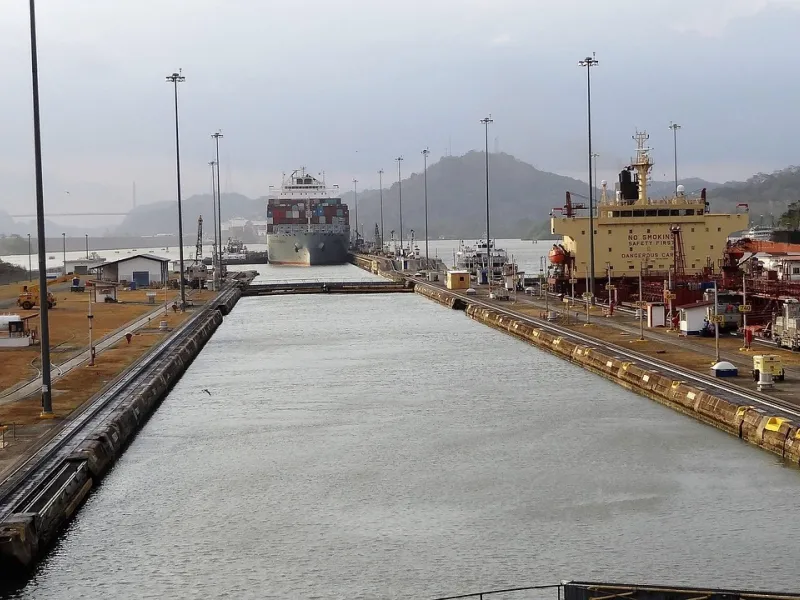
The Panama Canal
The Panama Canal is more than a marvel of engineering. It’s a monument to global ambition and human sacrifice. Visit the Miraflores Locks to watch colossal ships pass through this historic waterway, and explore the Afro-Antillean Museum to learn about the West Indian laborers, many of African descent, whose hands built it. Discover the hidden history of the canal zone, where innovation and injustice coexisted.
-
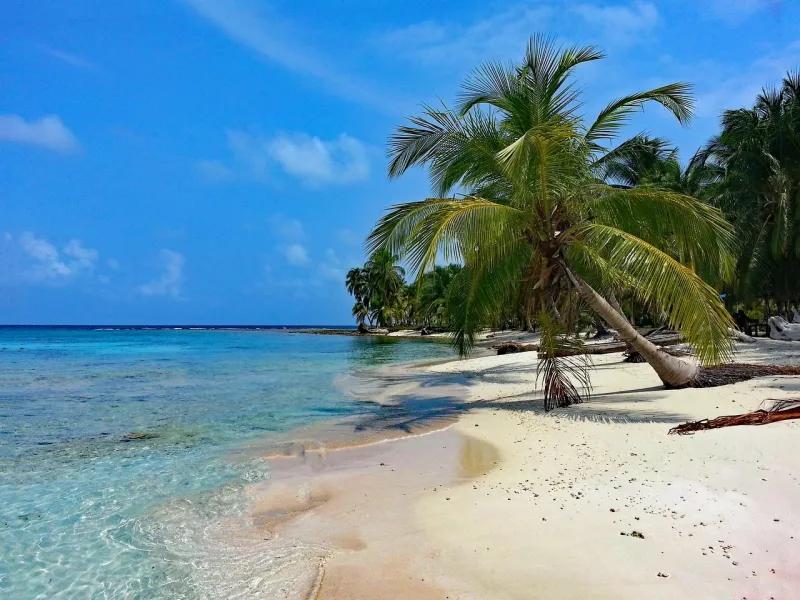
San Blas Islands (Guna Yala)
Off Panama’s Caribbean coast lies the San Blas archipelago, a collection of over 350 islands governed by the Guna people. Crystal-clear waters and untouched beaches offer idyllic views, but the real treasure is cultural immersion. Spend time with Guna families, learn about mola textile art, and engage in respectful dialogue about Indigenous autonomy and sustainability. San Blas is paradise with purpose.
-
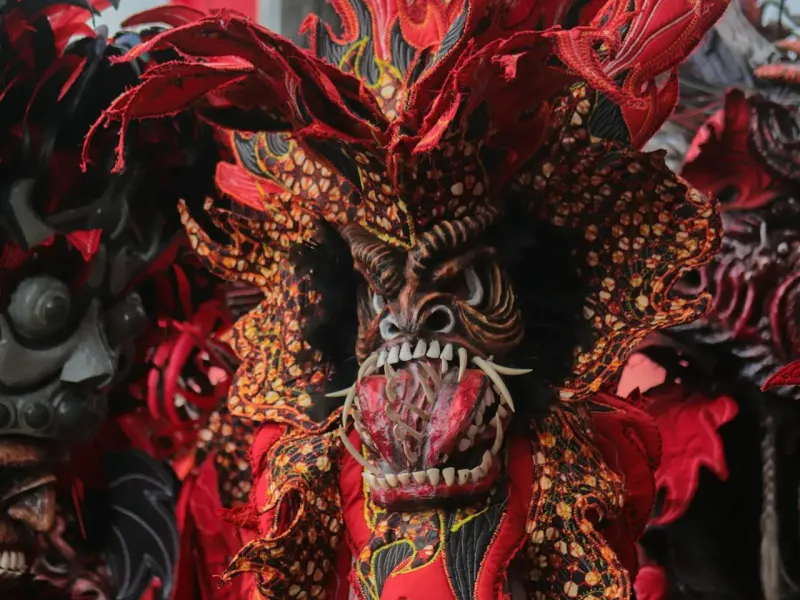
Portobelo & Colón
Portobelo and Colón are cultural epicenters for Afro-Panamanians. In Portobelo, visit the Black Christ Church, a site of spiritual pilgrimage and deep historical meaning. Experience Congo culture, rooted in resistance and expressed through vibrant masks, dance, and music that blend African, Catholic, and local traditions. Nearby Colón tells stories of migration, labor, and resilience that deserve space in the global diaspora narrative.
The guide
Explore Panama by Interest
Planning
Food and Culture
Heritage and History
Traveler Resources
Deep Expertise
With long-standing relationships across Panama’s Afro-descendant and Indigenous communities, LABUSA Travel designs journeys that are guided by lived experience and cultural respect. From the streets of Casco Viejo to the stilt homes of Bocas del Toro, we connect you with Panama’s real stories, and the people who live them.
Purpose-Driven Travel
We curate trips that are not just about seeing, but about understanding. Whether you’re joining a Garífuna drumming circle, visiting an Afro-Antillean heritage center, or learning about rainforest preservation with Indigenous elders, your travel becomes a vehicle for cultural preservation, education, and mutual empowerment.
Affordable Luxury & Authentic Moments
LABUSA Travel helps you experience the richness of Panama without inflated prices. From boutique canal-view hotels to family-run beach stays and immersive community tours, our itineraries are filled with moments that matter, crafted with care, not cliché.
Common questions
Panama Travel FAQs
- Do I need a visa to visit Panama?
- Panama sets and enforces its own entry rules, and this site does not publish an answer for United States passport holders, because the source cached for this cluster was written for a different nationality and its allowance does not transfer. Ask the Panamanian consulate responsible for where you live, close to your travel date. What applies more widely is the mechanics, and one of them catches people out: the cited source requires a passport valid at least six months AFTER THE DAY YOU PLAN TO LEAVE Panama, which is counted from your departure rather than your arrival. It also records a return or onward ticket, and that you can be asked to prove you have at least 1,000 US dollars available.
- Is the Darien dangerous, and does it affect my trip?
- Almost certainly not, and the shape of the advice is worth understanding because summaries flatten it. Nothing in the advice this cluster cites advises against travel to any part of Panama, which is unusual in this region. What the cited source gives instead is a line, running from Punta Carreto in the Comarca de Guna Yala on the Atlantic coast through Yaviza in the eastern Darien Province to Punta Pina on the Pacific, and a condition: you should only travel east of that line in an organized group, with the local authorities told where you are going. That is a condition rather than a prohibition. Everywhere most visitors go is west of it: Panama City, the canal, the Azuero peninsula, Bocas del Toro, Boquete and the Pearl Islands. If Darien National Park is on your list, it is visited with an established operator and local guides, which is how it has always sensibly been visited.
- Do I need vaccinations or antimalarials for Panama?
- It depends on which side of the canal you are going to, and the cited public health source is unusually precise about it. Yellow fever vaccination is recommended for travelers aged nine months and over going to all mainland areas east of the Canal Zone, which includes Darien Province, the comarcas of Embera and Guna Yala, and the parts of Colon and Panama provinces lying east of the canal. It is not recommended for travel limited to the Canal Zone, to areas west of it, to Panama City, to the Pearl Islands or to the San Blas Islands of Guna Yala. Read that last pair twice: the comarca is on the recommended list and its own islands are not. On malaria, the same source records no transmission in the Canal Zone or in Panama City, and transmission in seven provinces and three comarcas with rare cases elsewhere. What to take, if anything, is a question for your own clinician several weeks before you travel, and this site publishes no medication and no dose.
- What is the money situation in Panama?
- Panama uses the United States dollar as legal tender and has done for more than a century. The balboa is the national unit, pegged one to one, and it circulates only as coin, struck to the same sizes as United States coinage and used interchangeably with it. So there is no conversion to do and no exchange rate to check. What replaces that is denominations, and one hard rule: Guna Yala is cash only and has no machines at all, so everything you will need for an island stay goes with you from the mainland in small notes. Bocas del Toro has machines and they run out at weekends. Panama City, the resorts and the larger towns take cards readily.
- What is the emergency number in Panama?
- Call 103 and ask for an ambulance. Put it in your phone before you travel, because a short number is exactly what nobody can recall under pressure. The reassuring part is what is at the other end of it in the capital: private hospitals in Panama City are among the best in Central America and several work to United States standards. The less reassuring part is how quickly that thins outside it, and how long the distances are from Guna Yala or from eastern Darien to a hospital that can help. Travel insurance that includes medical evacuation is the thing to arrange before you travel rather than the thing to discover you do not have.
- When should I go, and what about Carnival?
- The dry season runs from December through April and is the bright, reliable half of the year on the Pacific side. The wet season from May to November is greener, much quieter and cheaper, and the usual day in it is clear until the early afternoon and then wet for an hour or two. The Caribbean coast keeps its own calendar: Bocas, Portobelo and Guna Yala are wetter year round and have a reliable bright spell around September and October, which is the wettest stretch on the Pacific. The date that moves everything is Carnaval, the four days before Ash Wednesday, which falls in February or March. The country effectively closes, Las Tablas fills completely and prices rise. Decide on purpose: build the trip around it, or find out when it falls and choose a different week.
- How do I actually get to Guna Yala?
- Not by driving yourself. The road over the mountains into the comarca is steep, sharp, frequently wet, and has a permit and a checkpoint at the boundary. Everybody goes in the shared four wheel drive transfers that leave Panama City before dawn, and the drivers know the road. There are also small flights to the airstrips. Once you are there, movement between islands is by lancha, arranged through wherever you are staying, and morning crossings are calmer than afternoon ones. Two things to understand before you book: a comarca is a semi autonomous territory with its own government, so the entry fees are how it is administered rather than a tourist charge, and photography rules are set by the community, so ask first and expect that a small payment for a photograph of a person is customary.