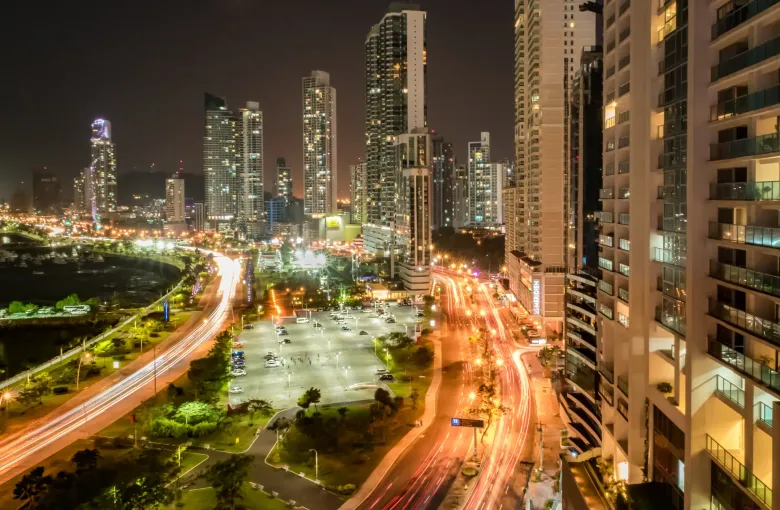
Pack for humidity. At sea level Panama is warm in every month, and the thing that will actually affect your week is that nothing dries, the rain arrives hard and briefly, and the air conditioning indoors is fierce.
Clothing
- Light, quick drying fabrics. Cotton left in a bag after a wet afternoon will still be damp two days later and will smell of the forest.
- A light long sleeved shirt and long trousers for dusk, for forest walks and for villages. They beat shorts for insects and for sun, and they are more appropriate at community level.
- A rain shell in any month, and a pack cover from May to November.
- ⚠ A warm layer. The Chiriqui highlands are genuinely cold at night, and Volcan Baru at 3,475 m is cold at the summit at any time of year. A fleece also earns its place on an air conditioned long distance bus, which Panamanians run at a temperature visitors find remarkable.
- Swimwear and a quick drying towel, which you will use more than you expect.
Feet
Three pairs earn their space: sandals for the heat and the boats, trainers for the city, and closed shoes with real grip for forest trails and the stone of the Camino de Cruces, which is slippery whenever it is wet, which is often.
Sun and insects
- High factor sunscreen. Nine degrees north of the equator the sun is directly overhead and it burns through cloud.
- Reef safe sunscreen for Guna Yala and Bocas, where the reef is the attraction.
- Insect repellent, and enough of it. Bite avoidance is the practical answer to several things at once, and it matters most at dawn and dusk. See the travel safety guide.
- A brimmed hat and sunglasses.
⚠ The islands sell nothing
Guna Yala has no shops, no machines and no pharmacy. Whatever you need for the stay goes with you from the mainland: cash in small notes, sunscreen, repellent, any medication, and more water than you think. Bocas del Toro has shops and they are limited and expensive. Plan the island days as if resupply is not available, because it is not.
Documents and money
- Passport valid at least six months after the day you plan to leave, which is counted from your departure rather than your arrival. See visa and entry requirements.
- Proof of onward travel, and the means to show funds if asked.
- Two cards from different banks, plus cash in small notes. See the money guide.
- Your insurance policy number and its emergency line, saved offline.
Worth having
- A dry bag. There is a boat in almost every Panamanian itinerary and the spray is not optional.
- Sealed bags and a silica sachet for electronics, which dislike the move from an air conditioned room into the humidity.
- A headlamp. Island and village power is not continuous.
- Personal medication in original labeled packaging with a copy of the prescription. This page names no medication and no dose.
Sources
- UK Foreign, Commonwealth & Development Office: Panama travel advice: the index to the entry, safety, regional and health pages this cluster draws on, and the standing guidance that no travel can be guaranteed safe. Accessed 17 September 2026.
- Centers for Disease Control and Prevention: Panama traveler health: yellow fever vaccine recommended for travelers aged nine months and over going to all mainland areas east of the Canal Zone including Darien Province and the comarcas of Embera and Guna Yala, and not recommended for travel limited to the Canal Zone, areas west of it, Panama City, the Pearl Islands of Panama Province or the San Blas Islands of Guna Yala; not required for direct travel from the United States and required for travelers aged one year and over arriving from a country with a risk of transmission; malaria transmission recorded in seven provinces and three comarcas with rare cases elsewhere, and no transmission in the Canal Zone or in Panama City. Accessed 17 September 2026.
Other Articles
Panama Weather Guide
Getting Around Panama