
Why visit
Why visit Morocco?
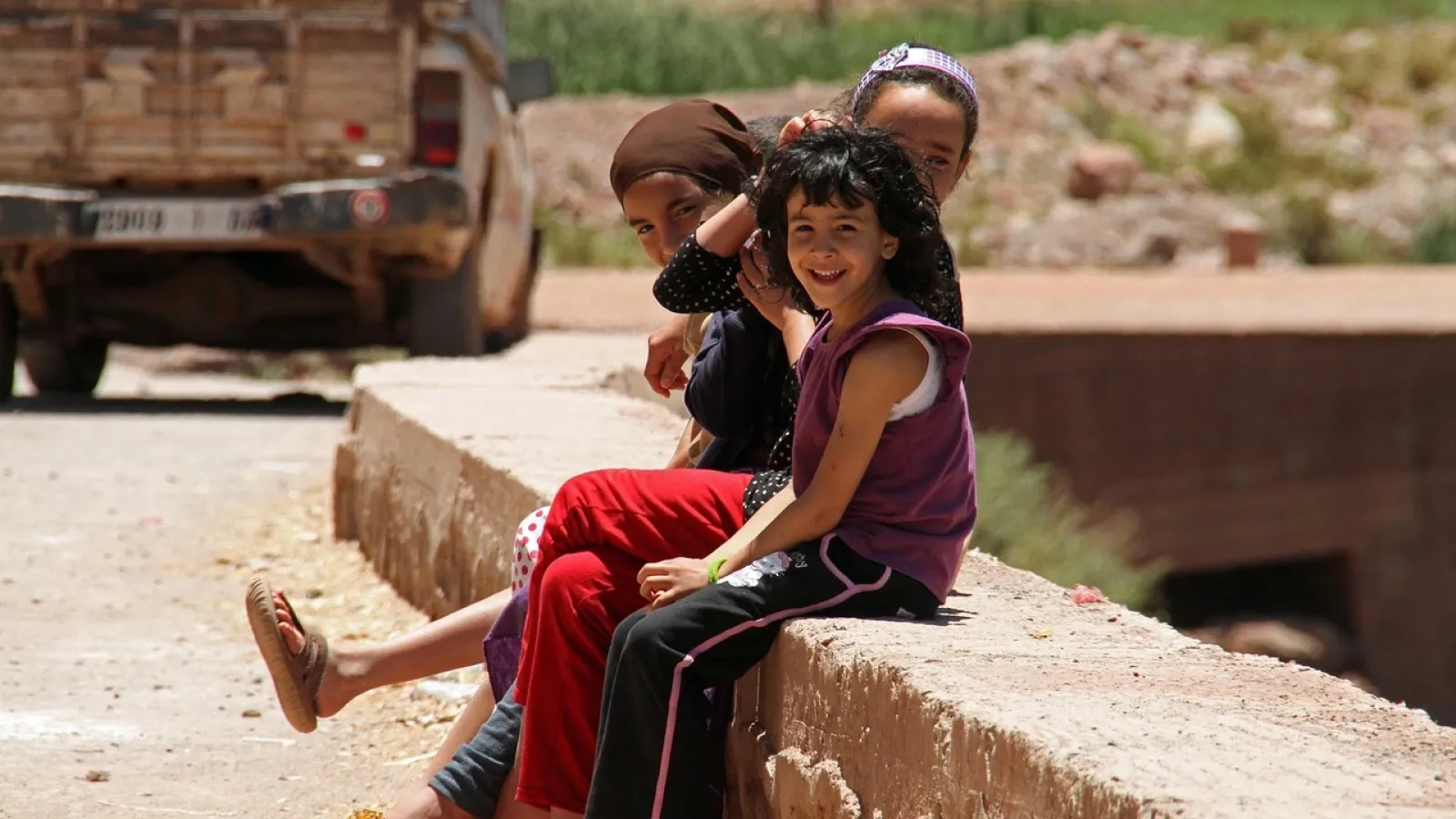
Morocco is a feast for the senses — with imperial cities, spice-laden souks, and desert dreams. Wander Fez and Marrakesh, trek the High Atlas Mountains, or explore Essaouira’s coastal charm. Morocco’s Black Moroccan and Gnawa communities preserve ancestral African traditions through music, trance, and storytelling — powerful links to the broader diaspora. Festivals and spiritual gatherings reveal Morocco as a North African gateway to memory, identity, and resistance through rhythm.
Top places to visit
Popular Attractions
in Morocco
-
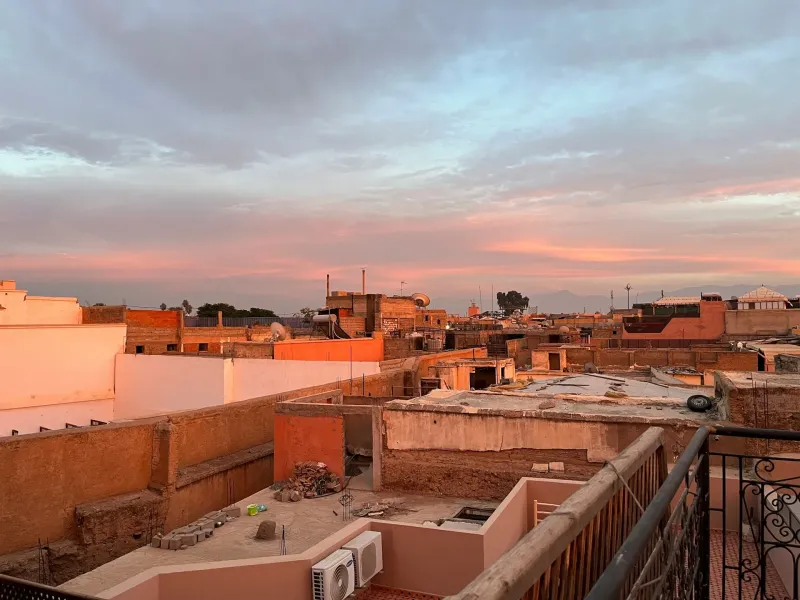
Marrakech Medina – Marrakech
Marrakech is a city of contrasts — where ancient history meets modern vibrancy. The heart of Marrakech, the Medina, is a UNESCO World Heritage site filled with maze-like alleys, bustling souks, and stunning architectural gems. Here, visitors can explore centuries-old palaces, including the Bahia Palace, and discover the Djemaa el-Fna, a square that transforms into a lively marketplace, filled with street performers, food vendors, and local craftsmen. Marrakech’s rich history, culture, and warmth create an unforgettable atmosphere for those who seek a deep connection with the past.
-
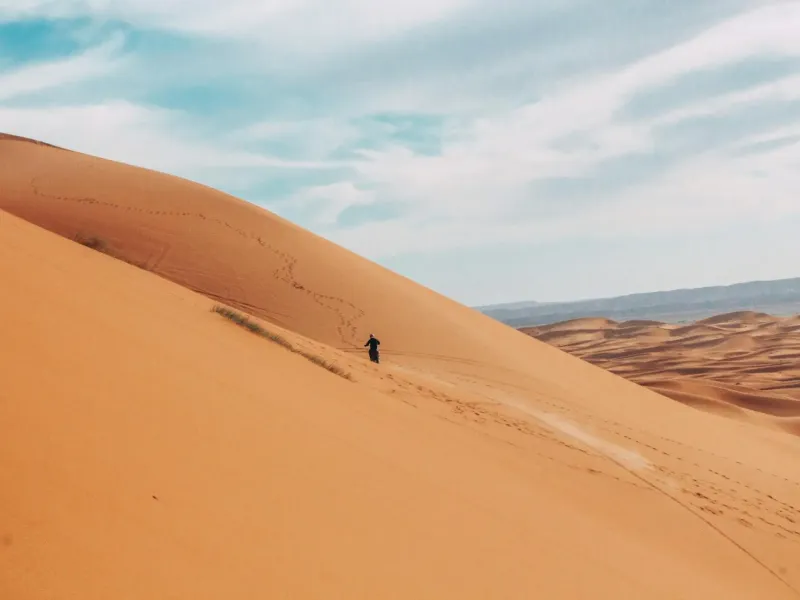
Sahara Desert – Merzouga
The Sahara Desert, one of the most iconic landscapes in the world, offers an experience of pure magic. The golden sand dunes of Merzouga are perfect for camel trekking, stargazing, and reflecting on the vastness of the desert. Visitors can spend the night in a luxury desert camp, enjoying traditional music, local cuisine, and the tranquility of the desert. Whether it’s watching the sunset over the dunes or exploring the ancient oases, the Sahara is a place where time seems to stand still, offering an unforgettable journey into the heart of Morocco’s natural beauty.
-
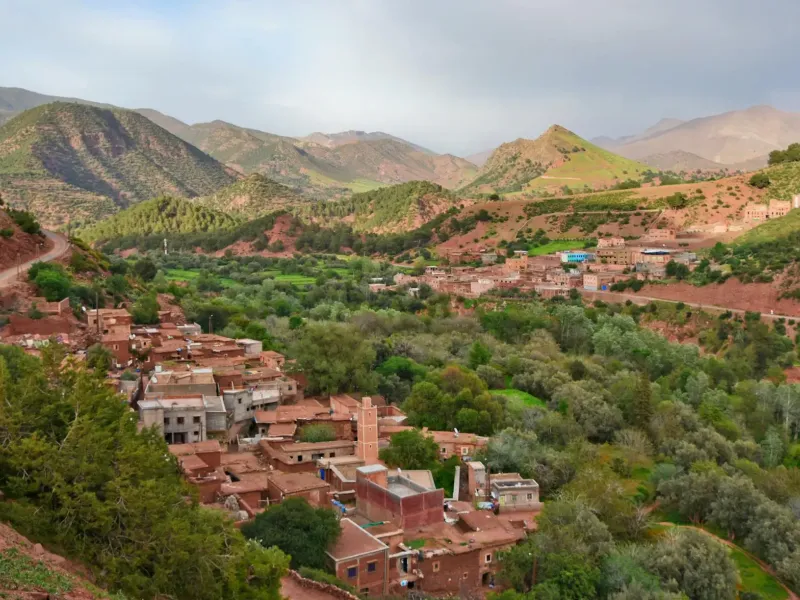
Atlas Mountains – High Atlas
The High Atlas Mountains offer dramatic landscapes, charming Berber villages, and a chance to disconnect from the hustle and bustle of everyday life. Known for its breathtaking scenery, the Atlas Mountains are a popular destination for trekkers and nature lovers. The Toubkal National Park, home to Mount Toubkal, North Africa’s highest peak, offers challenging hikes and panoramic views. The villages nestled in the mountains provide a glimpse into traditional Berber life, where visitors can experience warm hospitality and connect with local culture in a way that few other places allow.
The guide
Explore Morocco by Interest
Planning
Food and Culture
Heritage and History
Traveler Resources
Deep Expertise
Our team offers unparalleled expertise in Morocco, with firsthand knowledge of its vibrant cities, rich culture, and stunning landscapes. Whether you're exploring the souks of Marrakech or trekking through the Atlas Mountains, we ensure every detail of your journey is carefully curated to reflect the essence of Morocco. Our dedicated personal concierge will guide you every step of the way, providing authentic experiences tailored to your interests.
Purpose-Driven Travel
We design journeys for travelers who seek more than just sightseeing. Our experiences connect you with Morocco's rich history, culture, and traditions, creating a deeper, more meaningful travel experience. Whether you're engaging with local artisans, visiting ancient cities, or exploring the natural wonders of the Sahara, we help you travel in a way that enriches your understanding of the world.
Affordable Luxury & Authentic Moments
Experience Morocco through thoughtfully crafted itineraries that balance luxury, culture, and authenticity. From boutique riads in the heart of Marrakech to desert camps under the stars, we provide a range of accommodations that offer comfort without compromising the authenticity of your experience. We make your Moroccan adventure not only luxurious but deeply meaningful and memorable.
Common questions
Morocco Travel FAQs
- When is the best time to visit Morocco?
- March to May and September to November suit almost every kind of trip. Those are the months when the imperial cities are pleasant rather than punishing, the desert is comfortable and the mountain passes are open. Morocco is not one climate, so the right month depends on whether you came for the coast, the cities, the Atlas or the Sahara.
- Do I need a visa to visit Morocco?
- Morocco waives short-stay visitor visas for citizens of a long list of countries, including the United States, Canada, the United Kingdom, Australia and the European Union member states. Exemption attaches to your nationality rather than your residence, and it covers tourism and business visits rather than work or study. Confirm the current position with a Moroccan consulate and with your own government before you book.
- Can I take Moroccan dirhams home with me?
- Not in any quantity. The dirham is a closed currency and there are legal limits on carrying it across the border in either direction. Change money on arrival rather than before you fly, keep your exchange receipts, and convert what is left back to a hard currency before you reach the airport. The current limits are published by the Office des Changes.
- Is there malaria in Morocco?
- No. The CDC lists no malaria precautions for travelers to Morocco, which puts it in a different position from much of the African continent. Do not apply advice written for sub-Saharan Africa here. Routine vaccinations should be current, and hepatitis A and typhoid are commonly recommended, so see a travel clinic six to eight weeks ahead.
- Can I go inside the mosques?
- Most working mosques in Morocco are closed to non-Muslims, which surprises visitors who have been inside mosques elsewhere. The major exception is the Hassan II Mosque in Casablanca, which runs guided tours for non-Muslim visitors. Several historic madrasas, including Bou Inania in Fez and Ben Youssef in Marrakesh, are open as monuments.
- How do I deal with unofficial guides in the medina?
- Official guides carry a badge issued by the local authority, so ask to see it and hire through your hotel or tour operator. Unofficial guides work the medina entrances with plausible openings: the street ahead is closed, the tannery is only open today. A firm, friendly and final no thank you works better than politeness that sounds negotiable.
