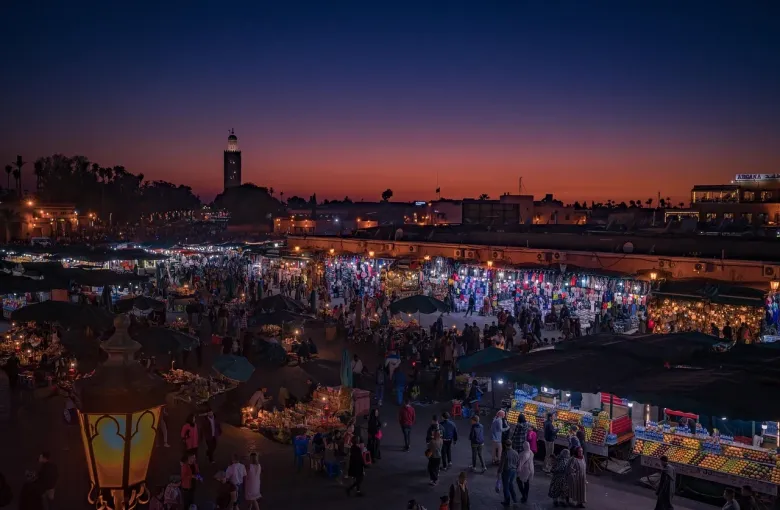
Language
Morocco has two official languages. Article 5 of the 2011 constitution keeps Arabic as the official language of the state and makes Tamazight, the Amazigh language, official alongside it, described as the common heritage of all Moroccans without exception. That was a significant constitutional change and it is still being implemented in schools, courts and signage.
In daily life you will hear Darija, Moroccan spoken Arabic, and one of the Amazigh languages (Tashelhit, Tamazight and Tarifit across different regions). French is in wide use in business, administration and higher education without being official, and Spanish persists in the north. English is common in tourism and among younger people.
A note on terminology: Amazigh (plural Imazighen) is what the people call themselves, and it is the word used throughout these guides. “Berber” is the older outside name and still appears on signs and in shop names.
Four words carry you a long way: salam alaikum (peace be upon you), shukran (thank you), insha’Allah (God willing), la shukran (no thank you). In Tamazight, azul is hello.
Greetings take their time
A Moroccan greeting is not a formality to be got through. Expect a handshake, an inquiry after your health, your family and your journey, and a second round of the same before business begins. Rushing it is the most common visitor mistake and it reads as coldness.
Some observant men and women prefer not to shake hands with the opposite sex. The signal is a hand placed over the heart, and the correct response is to return the same gesture and think nothing of it.
The right hand
Eat, give, receive and gesture with the right hand. The left is reserved for personal hygiene, and using it to hand something over is a real discourtesy rather than a fussy rule.
Hospitality
Invitations to tea, and then to a meal, are genuine and frequent. If you are invited into a home: bring something small (pastries, sugar, fruit, something for the children), take your shoes off if your host does, accept the tea, eat from the section of the communal dish directly in front of you, and expect to be pressed to eat more than you want. Praising the food is the correct payment.
Dress
Covering shoulders and knees is the practical standard for both men and women away from beaches and pools. Moroccan cities are varied and you will see a wide range of dress on locals; visitors are nonetheless read differently, and modest clothing simply removes a distraction. See the Morocco packing list.
Religion
Islam is the state religion and its rhythms shape the day: five calls to prayer, a quieter Friday midday, and Ramadan reshaping the whole month when it falls.
Most working mosques in Morocco are closed to non-Muslims. This surprises visitors who have been inside mosques elsewhere. The major exception is the Hassan II Mosque in Casablanca, which runs guided tours for non-Muslim visitors, and there are historic madrasas, such as Bou Inania in Fez and Ben Youssef in Marrakesh, that are open as monuments. Do not walk into a neighborhood mosque to look around.
Photography
Ask before photographing people, and accept a refusal without argument. Water sellers, snake charmers and performers in Jemaa el-Fna make part of their living from photographs and will expect a small payment, which is fair. Do not photograph inside working religious buildings, at military sites or at government installations.
The hammam
The public bathhouse is a normal weekly institution rather than a spa treatment, separated by sex and often with different hours for men and women. Visitors are welcome at public hammams and there are gentler private ones in riads. Bring or buy black soap, a kessa glove and a plastic mat; expect to be scrubbed thoroughly by a stranger; keep underwear on. It is one of the genuinely memorable things to do in Morocco.
Living culture, formally recognized
Several Moroccan traditions are inscribed on UNESCO’s intangible heritage lists, including the cultural space of Jemaa el-Fna (2008), the practices and know-how concerning the argan tree (2014) and Gnawa music (2019). One, Taskiwin, the martial dance of the western High Atlas (2017), sits on the list of heritage in need of urgent safeguarding: a formal statement that the tradition is at risk of being lost, not a badge of health. The distinction is explained in the Morocco festivals guide.
Traveling with LABUSA Travel
Our local guides are Moroccan, and the practical version of everything above is easier to learn from someone who grew up with it than from a page.
Sources
- Kingdom of Morocco national portal: the constitution, official languages and national institutions. maroc.ma. Accessed 11 August 2026.
- Moroccan National Tourist Office: official destination, region and practical visitor information. visitmorocco.com. Accessed 11 August 2026.
- UNESCO Intangible Cultural Heritage: Morocco’s inscribed elements and which of the two lists each sits on. ich.unesco.org. Accessed 11 August 2026.
Other Articles
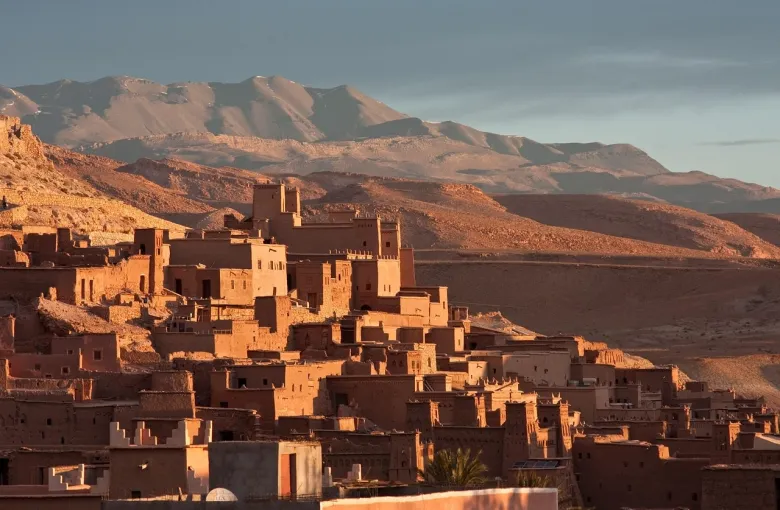
Morocco and Diaspora Reconnection
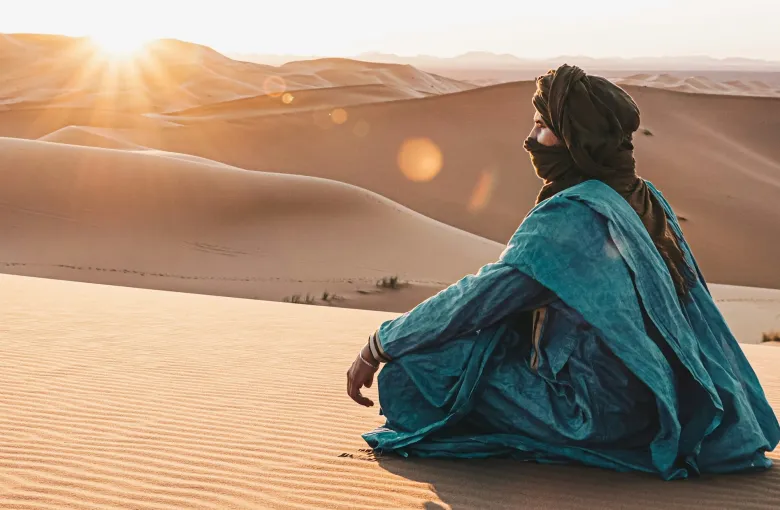
Morocco Festivals and Celebrations