
Why visit
Why visit Roatán?
Roatán is world-renowned for its reef, part of the Mesoamerican Barrier Reef system, making it a paradise for divers and snorkelers. But beyond the sea lies a deeper story: Garifuna villages where traditions of language, music, and dance are passed down; festivals that honor resilience and community; and sites that reflect centuries of Afro-Caribbean survival. For Diaspora travelers, Roatán is both a place of leisure and a homecoming to one of the strongest cultural threads in Central America.
Top places to visit
Popular Attractions
in Roatán
-
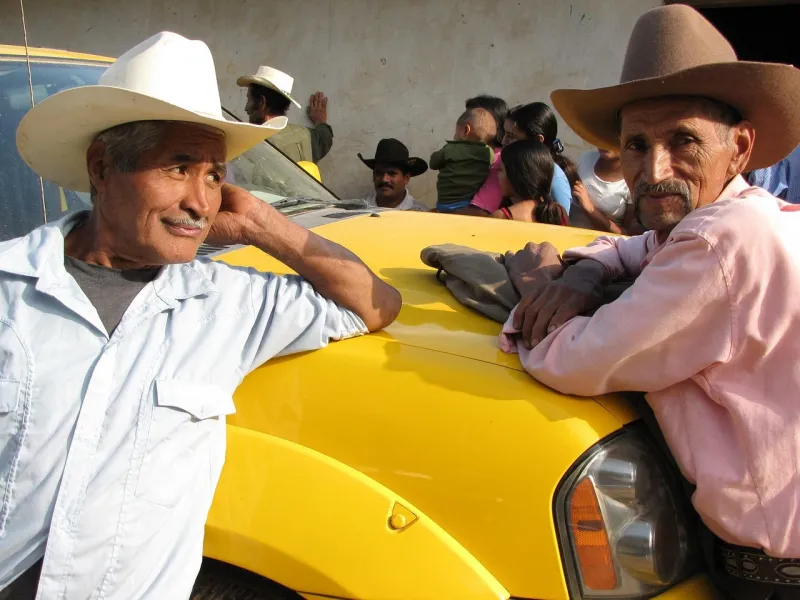
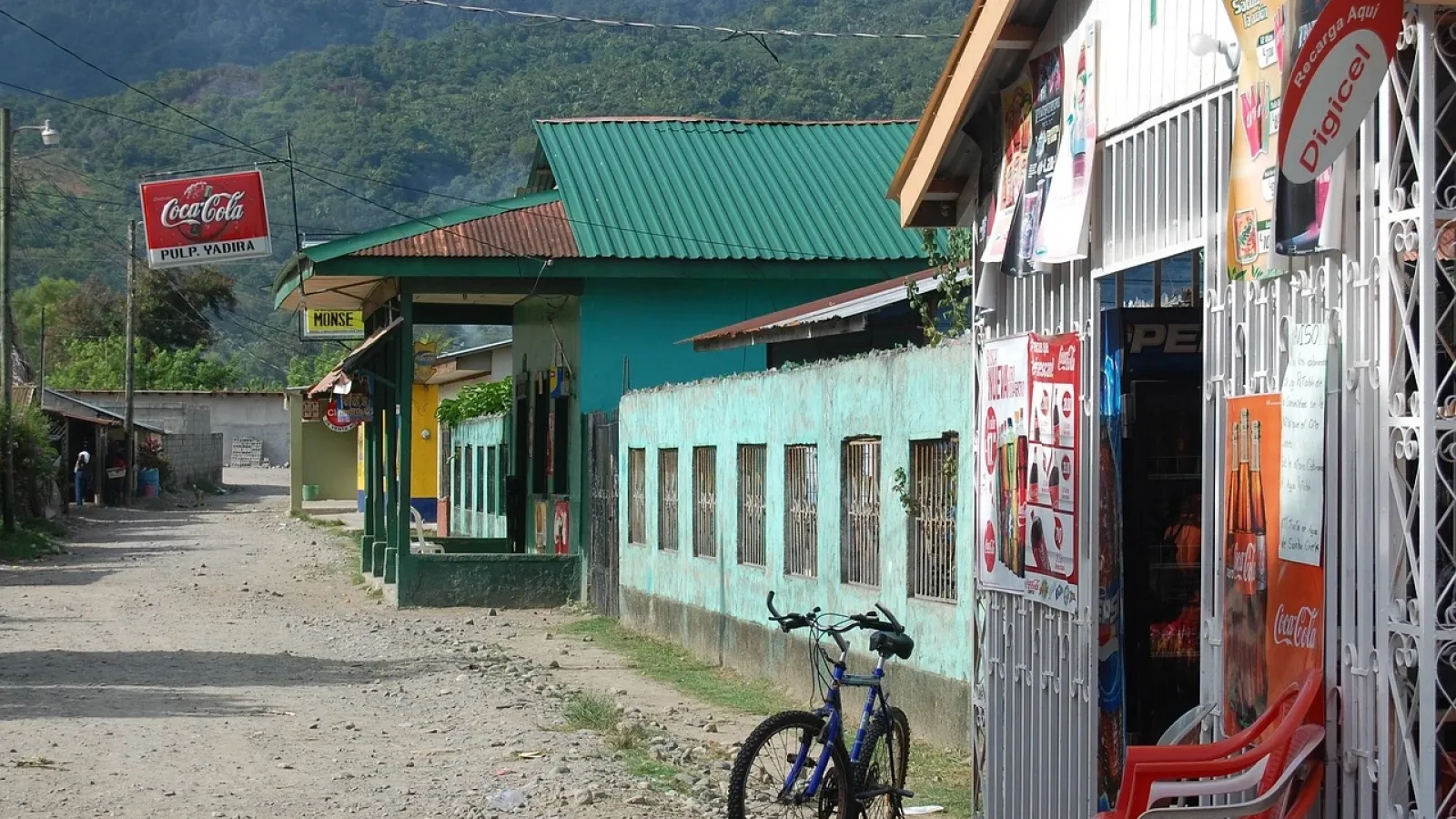
Garifuna Villages: Heritage and Heartbeat
Visit Punta Gorda, the oldest Garifuna settlement in Honduras, where drumming, dance, and cassava bread-making preserve Afro-Indigenous traditions.
-
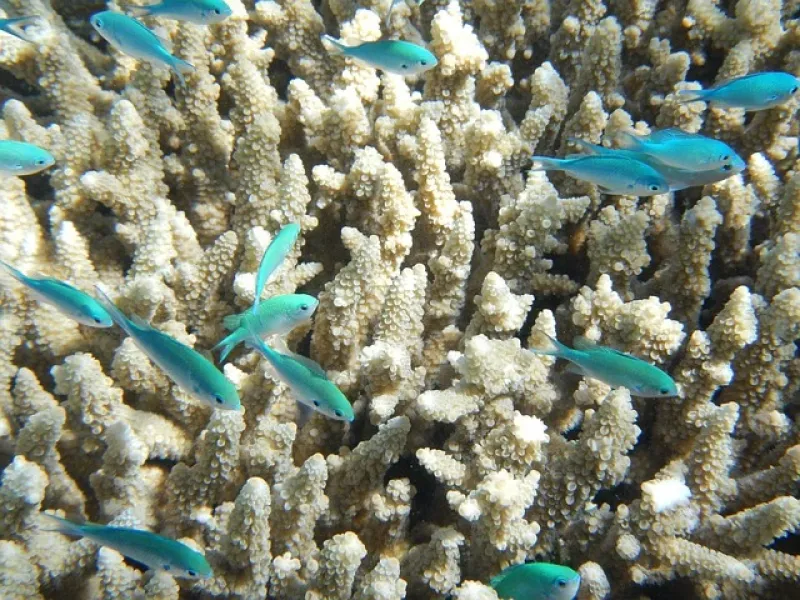
Roatán Barrier Reef: Nature’s Underwater Cathedral
Dive or snorkel among coral gardens, sea turtles, and schools of tropical fish. The reef not only sustains local communities but also symbolizes resilience and interconnectedness.
-
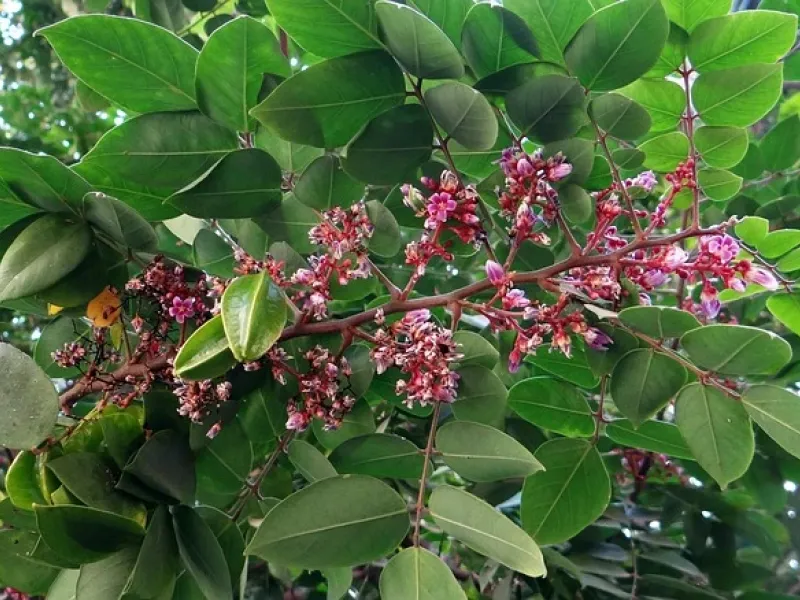
Carambola Botanical Gardens: Stories of the Land
Explore trails filled with native plants, medicinal herbs, and fruit trees, where guides share traditional knowledge that connects ecology with heritage.
The guide
Explore Roatan by Interest
Planning
Food and Culture
Heritage and History
Traveler Resources
Deep Expertise
We partner with Garifuna cultural leaders, ecologists, and storytellers to offer immersive experiences, whether through drumming workshops, heritage village tours, or reef conservation projects.
Purpose-Driven Travel
Our itineraries support Garifuna communities, cultural preservation, and sustainable tourism. Whether you’re learning ancestral dances, dining at local eateries, or contributing to reef protection, your journey strengthens both culture and community.
Affordable Luxury & Authentic Moments
Stay in eco-lodges, family-owned inns, or boutique resorts where local heritage shapes hospitality. LABUSA ensures every stay balances comfort with cultural connection.
Common questions
Roatan Travel FAQs
- Do I need a visa to visit Roatan on a cruise?
- If you stay aboard the itinerary, the official answer is a short pass rather than a visa. The UK Foreign, Commonwealth and Development Office states that passengers of cruise ships are permitted to enter Honduras under a short pass, that this allows them to disembark during the hours the ship is docked, and that if passengers remain in Honduras beyond the hours of docking a visa will be required. That is a statement about cruise passengers generally, and it is the single most useful sentence about arriving here. The visa question behind it is decided by the passport you hold and not by the port, and it genuinely differs by nationality, so check your own government advice for your own passport rather than any page written for someone else. The practical reading is simple: a day ashore and back before the last tender is one thing, and staying on after the ship leaves is a different arrangement that has to be made in advance.
- How long does my passport need to be valid for Honduras?
- Six months, and it needs two blank pages. The official advice is that your passport must be valid for at least 6 months after the date you arrive and have at least 2 blank pages. Both halves matter and the second is the one people forget: a passport with plenty of time left on it can still be short of pages after a few years of travel, and pages are not something you can resolve at a pier. Count the six months from your arrival date rather than from today, and if you are sailing a long itinerary count it from the day you reach this port rather than the day you board. A traveler arriving from elsewhere in the region may be carrying a three month rule in their head from a neighboring country; it does not apply here.
- Do I need malaria tablets for Roatan?
- Probably yes for American travelers, and this is the answer most people do not expect. The CDC recommends that travelers going to certain areas of Honduras take prescription medicine to prevent malaria, and its destination page lists the transmission areas as throughout the country and on the island of Roatan and other Bay Islands. Since this site writes for readers in the United States, that is the guidance that applies to you, and it is a prescription decision that has to be made in advance with a travel health professional rather than on arrival. Two things are worth knowing so that neither surprises you. The UK equivalent, TravelHealthPro, puts it differently for the same island: it describes a low risk of malaria below 1,000m and in Roatan and other Bay Islands, with awareness of risk and bite avoidance recommended rather than tablets. Both are real official positions and they diverge in emphasis, so a reader who meets the UK advice elsewhere has not found an error. And a traveler arriving from certain neighboring countries may be carrying the opposite answer entirely, because the answer there is no. Bite avoidance is sensible regardless of which advice you follow.
- What is the emergency number on Roatan, and what medical care is available?
- Call 911 and ask for an ambulance. The medical answer needs both of its halves and the official advice gives them together. There is a hyperbaric recompression chamber on Roatan, which matters enormously on an island whose main activity is diving. In the same advice, emergency medical facilities on the Bay Islands are described as extremely limited. Neither statement cancels the other, and quoting only the first would be a reassurance the source does not offer. What follows for a traveler is concrete: insurance that covers medical evacuation and not merely local treatment, because an evacuation from an island is the expensive scenario; medicines brought with you in full rather than bought on arrival; and, if you dive, an operator who can tell you where the chamber is and how they would reach it.
- Is Roatan safe for visitors?
- Safer than the mainland, and not free of the thing most likely to affect a visitor. The official advice states that the Bay Islands are generally safer than mainland Honduras, and in the same advice that petty theft is a problem in cities and tourist areas, including the Bay Islands. Both halves belong together: the first is the reason the comparison is worth making, the second is the reason it is not a license to relax. Two specific pieces of guidance are more actionable than any general assessment. The advice asks that if you are visiting Roatan you travel with a reputable guide, which is a stronger instruction than the usual suggestion to use licensed operators. And it names the ferries to and from mainland Honduras among the places to be watchful. For a day visitor the practical version is short: keep valuables with you rather than in a bag set down, and book excursions through your ship or a known operator rather than at the pier.
- Which ATMs should I use, and what currency does Roatan use?
- The monetary unit is the lempira, and US dollars go a long way here. The official advice states that US dollars are widely accepted for exchange and payment, which is unusually convenient for an American traveler on a short call, and it separately notes that British pounds are difficult to exchange. This page publishes no exchange rate. That is a deliberate limit rather than an omission: no source in this cluster register gives one, and your own bank will answer it accurately on the day. The more useful instruction is the one people skip, and it names this island specifically. The advice asks you to check with your hotel which ATMs to use, especially on Roatan. On a cruise day the equivalent is to ask the ship or your operator rather than using the first machine you pass, and to bring enough cash ashore that a card problem is an inconvenience rather than the end of your day.
- Does Honduras have a World Heritage Site, and can I see one from Roatan?
- Two, and neither is reachable on a day ashore. UNESCO lists two inscribed properties for Honduras, the Maya Site of Copan, inscribed in 1980, and the Rio Platano Biosphere Reserve, inscribed in 1982, with four further sites on the country tentative list. Both inscribed properties are on the mainland: Copan is inland in the west, near the Guatemalan border, and Rio Platano is on the Mosquitia coast. Neither is on this island and neither can be visited and returned from within the hours a ship is docked. That is worth saying plainly, because an excursion list that mentions a country World Heritage standing can read as though one of those places is on the itinerary. What this island offers is a different thing, and the reef, the shore and the villages are worth the day on their own terms rather than as a substitute.
- Is Roatan a Garifuna destination?
- Partly, and this page is careful about which part it can evidence. The language, dance and music of the Garifuna are on UNESCO Representative List of the Intangible Cultural Heritage of Humanity, and the element is inscribed jointly for Belize, Guatemala, Honduras and Nicaragua. It belongs to a people rather than to a state, it is shared between four of them, and no single island within any of them can present it as its own. The element own record describes an Arawakan language, tales originally recited at wakes and large gatherings, and melodies that bring together African and Amerindian elements. Here is the limit worth being straight about: that record does not mention this island at any point, and nothing in this cluster research register describes a community, a site or an observance here in terms that could be cited. That is a limit of what has been read rather than a statement about the island, and anyone offering you a cultural visit should be able to tell you whose community it is and who benefits from your going.