
Why visit
Why visit BVI?
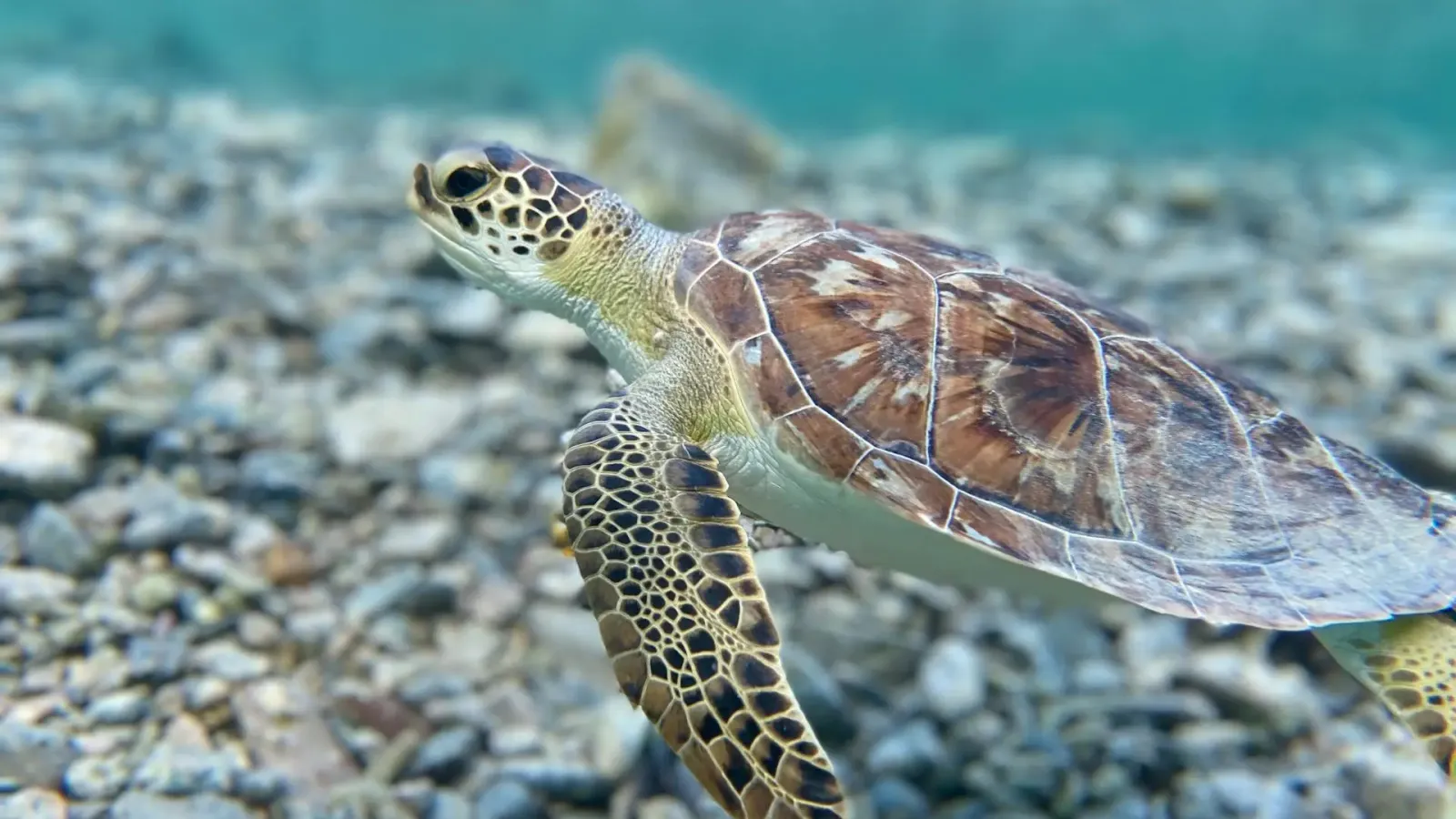
With more than 60 islands and cays, the BVI invites travelers to island-hop through pristine bays, hidden coves, and world-class sailing routes. Beyond its natural beauty, the islands hold powerful stories: enslaved Africans who found refuge in Tortola’s mountains, traditions passed down through music and oral history, and festivals like the Emancipation Festival that celebrate freedom and cultural pride. For the Diaspora traveler, the BVI is both a paradise and a place of remembrance: a chance to relax while reconnecting with a heritage shaped by the sea.
Top places to visit
Popular Attractions
in British Virgin Islands
-
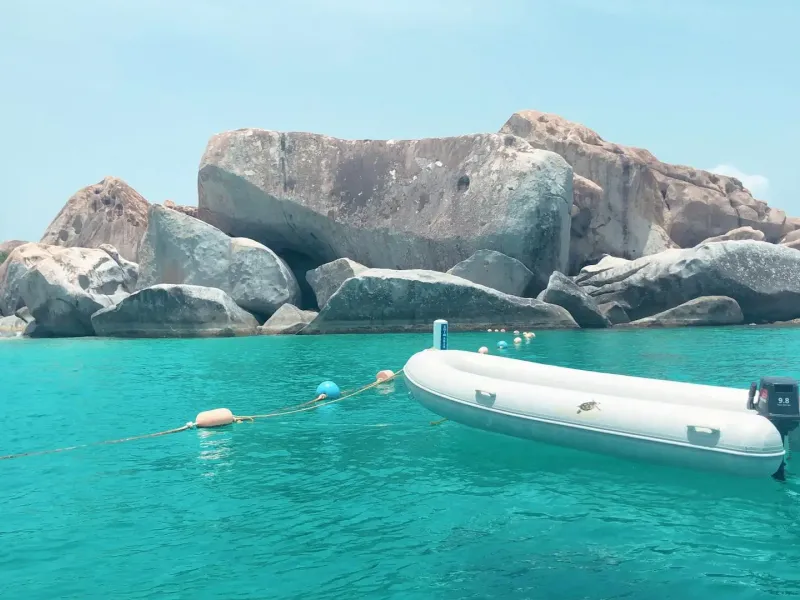
The Baths, Virgin Gorda: Nature and Myth
Massive granite boulders form natural pools and caves, creating a breathtaking seascape. Local lore ties these formations to ancestral legends, blending natural wonder with cultural storytelling.
-
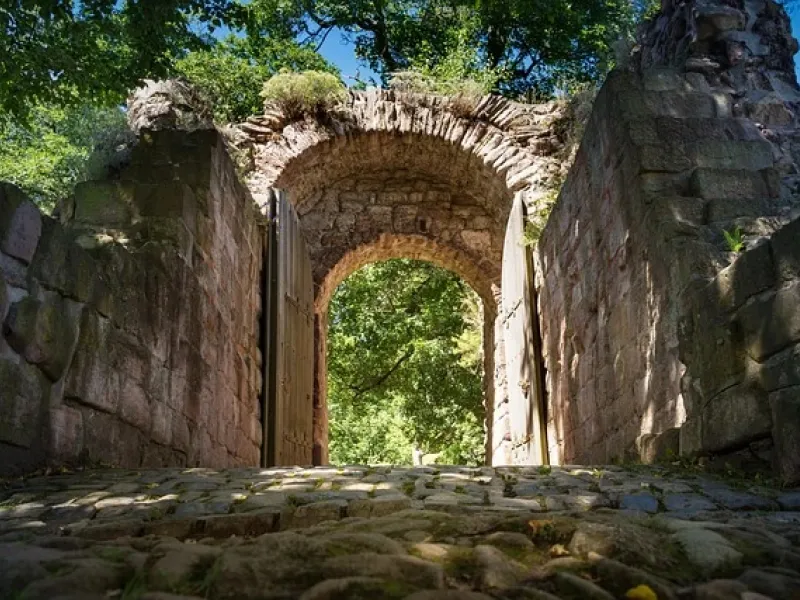
St. Phillip’s Anglican Church: A Symbol of Freedom
Built by freed Africans in the early 1800s, this historic site on Tortola is often called the “African Church.” Visiting here is a powerful reminder of resilience and community-building in the post-slavery era.
-
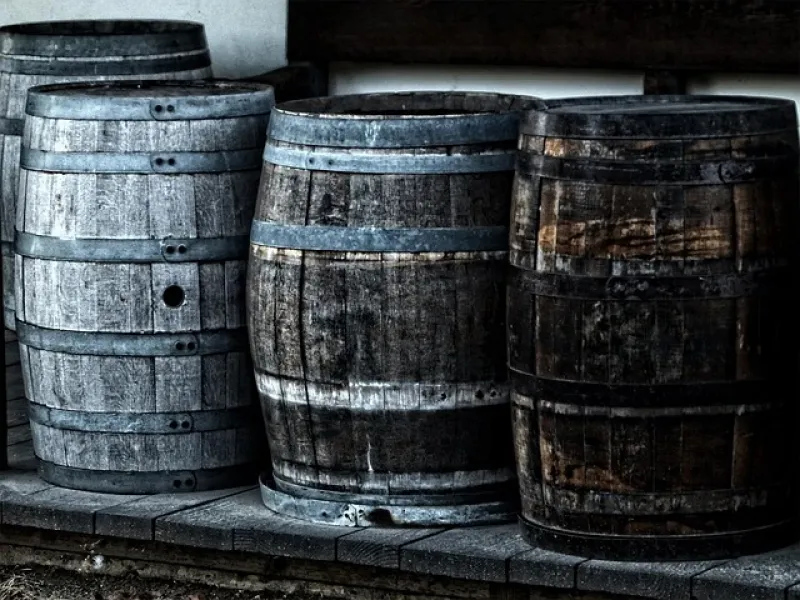
Callwood Rum Distillery: Living History
One of the Caribbean’s oldest continuously operating rum distilleries, Callwood tells the story of labor, land, and legacy. Tours reveal both the island’s colonial history and the creativity of its people.
The guide
Explore British Virgin Islands by Interest
Planning
Food and Culture
Heritage and History
Traveler Resources
Deep Expertise
We work with BVI cultural custodians, historians, and storytellers to create journeys that celebrate both heritage and hospitality. From fungi music workshops to heritage site visits, LABUSA connects you with the island’s living culture.
Purpose-Driven Travel
Our itineraries invest in local festivals, family-owned businesses, and community tourism. Whether supporting artisans, joining Emancipation celebrations, or sailing with local captains, your trip contributes to preservation and pride.
Affordable Luxury & Authentic Moments
Stay aboard boutique sailing yachts, eco-friendly villas, or small inns run by local families. LABUSA ensures that every stay balances comfort with authenticity, so you experience the BVI not just as a guest, but as part of its ongoing story.
Common questions
British Virgin Islands Travel FAQs
- Do I need a visa to visit the British Virgin Islands?
- British citizen passport holders can visit without a visa for up to 1 month, according to the UK Foreign, Commonwealth and Development Office, and immigration issues a 1-month entry stamp on arrival. Note the unit: a one-month stamp given on 31 January does not expire after a count of thirty days, and a guide that converts the allowance into days has quietly changed what was granted. There is a separate mechanism for longer stays, because the Chief Immigration Officer can grant extensions of up to 6 months on application, but that is a discretion exercised after you arrive rather than what arrival gives you. Check your own nationality against the official page before you book.
- How long does my passport need to be valid?
- For the duration of your stay. The Foreign, Commonwealth and Development Office records that a passport must be valid for the length of the visit rather than for a set period beyond your departure date, which is the opposite of the six-month rule much of the region uses. There is a second fact worth reading alongside it, and it appears in no sibling guide on this site: a passport cannot be renewed or replaced in the BVI, and a traveler who loses one applies online for an emergency travel document. Carry a copy of the photograph page somewhere separate from the passport itself.
- Can I drive in the British Virgin Islands?
- Yes. The Foreign, Commonwealth and Development Office records that you can drive for up to 30 days on a UK license and must then apply for a local one. That is worth stating plainly because the territory filed immediately beside this one on this site does not permit visitors to drive at all. There is also a detail almost nobody expects: the majority of cars are left-hand drive, but you drive on the left as in the UK. The wheel is on the side a North American driver is used to and the road is the side a British driver is used to, so neither habit is fully correct. Take the first few junctions slowly.
- What is the emergency number in the British Virgin Islands?
- It is 911. The Foreign, Commonwealth and Development Office records that police and emergency services can be reached at 911, and this guide cites no other number. The same record describes the work of Virgin Islands Search and Rescue in responding to emergencies at sea, which is the clearest indication that conditions on the water between these islands are taken seriously by the people who work on them.
- Does the territory have a UNESCO World Heritage Site?
- No. The UNESCO record for the United Kingdom lists the World Heritage properties of the United Kingdom and its overseas territories, and the Virgin Islands appear nowhere on it, neither inscribed nor on the tentative list. That absence is stated because a reader looking at The Baths reasonably wonders. Heritage protection here is the territory's own: the National Park Trust of the Virgin Islands is responsible for maintaining 21 parks, and this guide covers three of them in detail.
- What do I pay on arrival and on departure?
- There is an environmental and tourism levy of 10 US dollars on arrival. Leaving costs more, and the amount depends on the route. Flying out, there is a departure tax of 50 US dollars for all passengers, generally included in the ticket price. Sailing out, the figure is 20 US dollars per person, or 15 US dollars for residents. Those are different taxes for different routes and they are easy to cross over on an itinerary that arrives one way and leaves the other. Anyone carrying more than 10,000 US dollars, including cash and checks, must also make a customs declaration.
- What does my travel insurance need to cover?
- Medical evacuation, and read that clause rather than assuming it. The Foreign, Commonwealth and Development Office records that there is only one hospital in the BVI, the Dr D. Orlando Smith Hospital, that medical facilities are limited, and that complex problems are often referred to hospitals in the US Virgin Islands, Puerto Rico, or mainland USA. Then comes the condition most readers skip: if you need medical evacuation to the US mainland and have no US visa you will need special arrangements, because the US visa waiver program does not automatically apply on one-off charter flights. An air ambulance is a one-off charter flight. Check now whether you hold a US visa.
- Can I take shells or coral home from the beach?
- No. The Foreign, Commonwealth and Development Office records that it is illegal to remove any marine animal, shells or coral including dead coral, and that fishing is strictly prohibited within the Marine Parks. The dead coral clause is the one that surprises people, and the fact a shell was already lying loose on the sand makes no difference to the rule. Leave them where they are and bring a camera rather than a collecting bag.