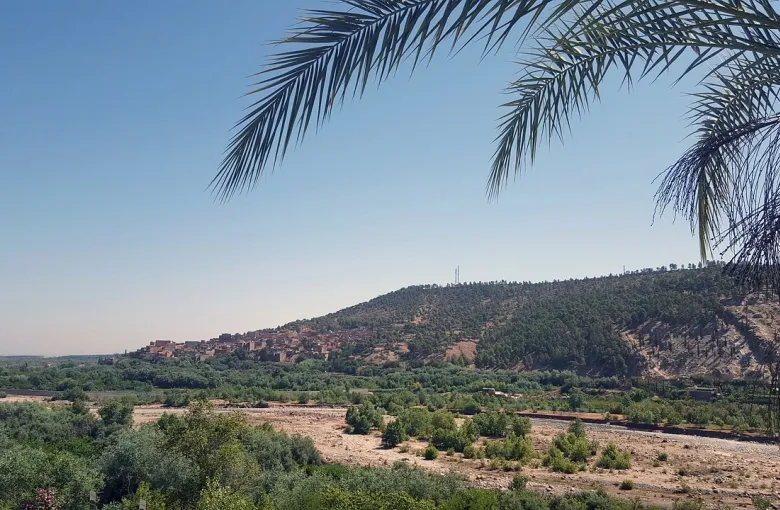
Morocco rewards an unhurried trip
Very little about Morocco requires physical fitness. What it requires is stamina for heat, uneven ground and long transfers, and those are all things that a well-designed itinerary can manage. Older travelers do this trip constantly and enjoy it more than younger ones who tried to do it in five days.
Pace
- Two nights minimum in each city. One night means you spend the day you arrived recovering and the day you leave packing.
- Mornings for sightseeing, afternoons for rest. This is what Moroccans do in summer, and it is not a concession.
- One major thing a day. A medina in the morning and a garden after lunch is a full day, and a good one.
- Break the long drives. Marrakesh to the desert over the Tizi n’Tichka pass is a long day in a vehicle; an overnight in Ouarzazate or the Dades turns it into two comfortable ones.
Where to stay
This decision affects the trip more than any other. Riads inside the medina are atmospheric and usually mean stairs, no elevator and a walk from the nearest vehicle access. Modern hotels in the new town mean elevators, level entrances and a taxi at the door.
A good compromise is a riad with ground-floor rooms close to a medina gate, or a night or two in each. Ask specifically how far the car stops from the door and who carries the bags.
Heat, altitude and hydration
- Avoid July and August in Marrakesh and the desert. Spring and fall are considerably kinder.
- Carry water and drink more than you think you need. Dry heat hides dehydration.
- The High Atlas passes are high enough to leave you short of breath if you are unaccustomed. Go slowly on arrival at altitude.
- Desert nights are cold. Bring a real layer.
The medina, in short bursts
The old cities are the reason most people come, and the way to enjoy them is a couple of focused hours with a licensed guide rather than a whole day of navigation. A guide also removes the faux-guide approaches described in the travel safety guide, which is worth as much as the history.
Sit down often. Cafes and riad courtyards exist for this and nobody minds how long you stay.
Health preparation
- See your doctor and a travel clinic six to eight weeks before you go, and take a written list of your medications and conditions.
- Bring all prescription medicine in original labeled packaging in hand luggage, with a copy of the prescription.
- Take travel insurance with proper medical cover and repatriation, and declare pre-existing conditions.
- Pack for stomach upsets: rehydration salts are more useful than anything else in the kit.
- Good private hospitals exist in Casablanca, Rabat and Marrakesh.
What is genuinely worth the energy
- The Hassan II Mosque in Casablanca: level, spacious and remarkable.
- A morning in the Fez medina with a guide, then out.
- Jemaa el-Fna from a rooftop cafe at sunset rather than from inside the crowd.
- The Majorelle garden, early, before the queue.
- A night in a desert camp reached by vehicle, for the sky.
Traveling with LABUSA Travel
We plan group travel for a wide age range and we build in the rest days, the ground-floor rooms and the shorter transfers as a matter of course. Tell us the pace you want and we will hold you to it.
Sources
- Moroccan National Tourist Office: official destination, region and practical visitor information. visitmorocco.com. Accessed 11 August 2026.
- US Centers for Disease Control and Prevention: Travelers’ Health, Morocco: vaccination and food and water precautions. wwwnc.cdc.gov. Accessed 11 August 2026.
- UK Foreign, Commonwealth & Development Office: Morocco travel advice, including safety, road conditions and entry requirements. gov.uk. Accessed 11 August 2026.
Other Articles
Accessible Travel in Morocco
Getting Around Morocco