
Read this first
Safety advice dates, and the assessment that matters is the current one from your own government. This page explains the shape of the risks and how to reduce them; it does not restate advisory levels, and it deliberately publishes no emergency telephone numbers. Those change, and a wrong emergency number is the one error on this page that could genuinely hurt someone. Your government’s travel page and your hotel both carry the current ones.
The honest summary
Morocco is a well-established destination that receives millions of visitors a year, and most trips are entirely uneventful. Violent crime against visitors is uncommon. The realistic risks are road traffic, opportunistic theft, and being separated from your money by persuasion rather than force.
Roads are the real risk
As in most of the world, the most dangerous thing you will do in Morocco is get into a vehicle. Night driving between towns, mountain roads without barriers, and overloaded vehicles overtaking where they should not are the specific hazards. Use licensed taxis, avoid intercity night driving, and wear a seatbelt in the back as well as the front.
Faux guides, and how to end the conversation
Unofficial guides work the entrances to the big medinas, and their approach is friendly and plausible: the street ahead is closed, the tannery is only open today, the square is this way. It usually ends at a shop that pays commission, or with a demand for payment after an unrequested tour.
- Official guides carry a badge issued by the local authority. Ask to see it, and hire through your hotel or tour operator.
- A firm, friendly and final “no thank you” works better than politeness that sounds negotiable.
- Do not accept unsolicited directions and then follow them. If you are lost in a medina, walk into a shop or a cafe and ask there.
Theft and fraud
Pickpocketing and bag-snatching happen in crowded markets, in Jemaa el-Fna after dark, on beaches and around transport hubs. Motorcycle snatches of visible phones and bags are the version to plan for: carry your bag on the wall side, do not walk along a curb reading a phone, and leave what you do not need in the safe.
Credit card fraud is common enough to be worth a habit: keep the card in sight, use ATMs attached to bank branches, and check statements while you travel.
Health
- Morocco is not a malaria country. The CDC lists no malaria precautions for travelers here, which is a real difference from much of the continent. Do not take advice written for sub-Saharan Africa and apply it to Morocco.
- Routine vaccinations should be current, and hepatitis A and typhoid are commonly recommended for travelers. Ask a travel clinic six to eight weeks ahead.
- Drink bottled or treated water, and be sensible about ice and salads outside established places. Stomach upsets are the most common complaint by a wide margin. Carry rehydration salts.
- Street food is a genuine pleasure and is safest where it is busy, cooked in front of you and served hot.
- Take out travel insurance with medical cover, including repatriation, and check it covers what you plan to do. Quad biking, camel trekking and mountain walking are sometimes excluded.
Counterfeit alcohol has caused serious harm in the region. Buy alcohol from licensed hotels, restaurants and shops only.
Women traveling
Women travel in Morocco constantly, alone and in groups, and enjoy it. Street harassment, generally verbal, is common enough that it is worth expecting rather than being blindsided by. Ignoring it and continuing to walk is the normal response; engaging tends to prolong it. Dressing modestly reduces attention without eliminating it, taxis after dark are worth the small cost, and a riad with a manned door is a good idea.
Local laws worth knowing
- Drug offenses, including cannabis, carry severe penalties despite what a stranger in Chefchaouen may tell you.
- Photographing military and some government sites is prohibited.
- Public displays of affection attract attention; discretion is the norm.
- Same-sex relationships are criminalized. LGBT travelers visit Morocco, and should read their own government’s specific advice before deciding.
- Drone use requires authorization and drones are frequently confiscated at the border.
Traveling with LABUSA Travel
Our groups travel with vetted drivers and licensed local guides, which removes most of the list above before it starts, and we will always give you the current position rather than a comfortable one.
Sources
- UK Foreign, Commonwealth & Development Office: Morocco travel advice, including safety, road conditions and entry requirements. gov.uk. Accessed 11 August 2026.
- US Department of State: Morocco International Travel Information and the current travel advisory. travel.state.gov. Accessed 11 August 2026.
- US Centers for Disease Control and Prevention: Travelers’ Health, Morocco: vaccination and food and water precautions. wwwnc.cdc.gov. Accessed 11 August 2026.
- Moroccan National Tourist Office: official destination, region and practical visitor information. visitmorocco.com. Accessed 11 August 2026.
Other Articles
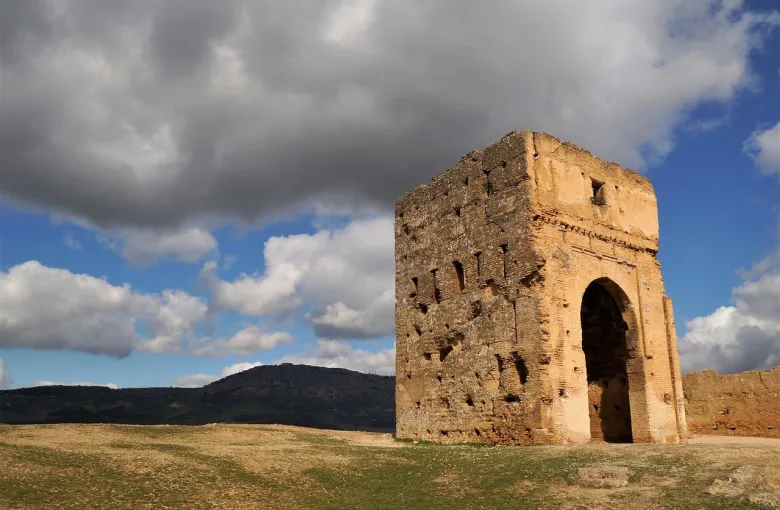
Getting Around Morocco
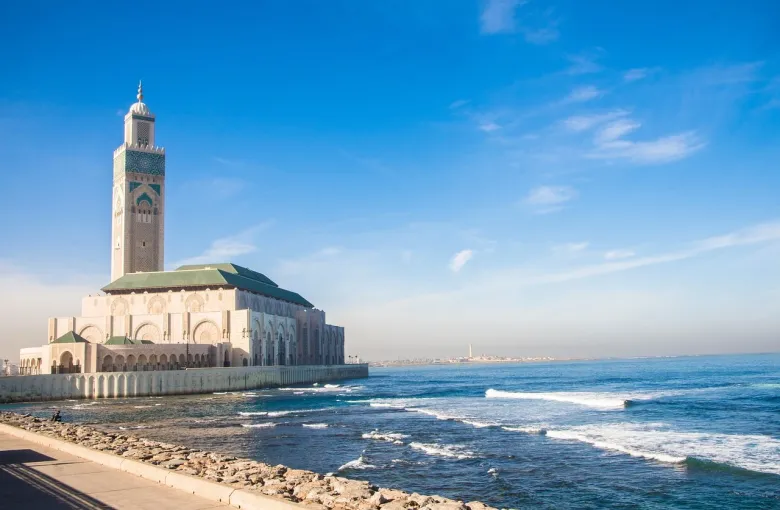
Morocco Visa and Entry Requirements
