Accessibility legislation exists in Panama and enforcement is uneven. The honest summary is that the modern capital is genuinely usable and the rest of the country largely is not, and this page sets that out rather than softening it.
What works, and it is more than you would expect
- The Miraflores visitor center. The country's flagship attraction is also its most accessible one: lifts to every viewing level, step free routes throughout, accessible bathrooms and a film theater. Watching a ship rise in the lock is the single best thing in Panama that requires nothing of you physically.
- The Metro. Modern, with lifts at stations and level boarding. It is the easiest way to move along the city.
- The Cinta Costera. The seafront promenade is long, flat, paved and continuous, and it is the best walk or roll in the country.
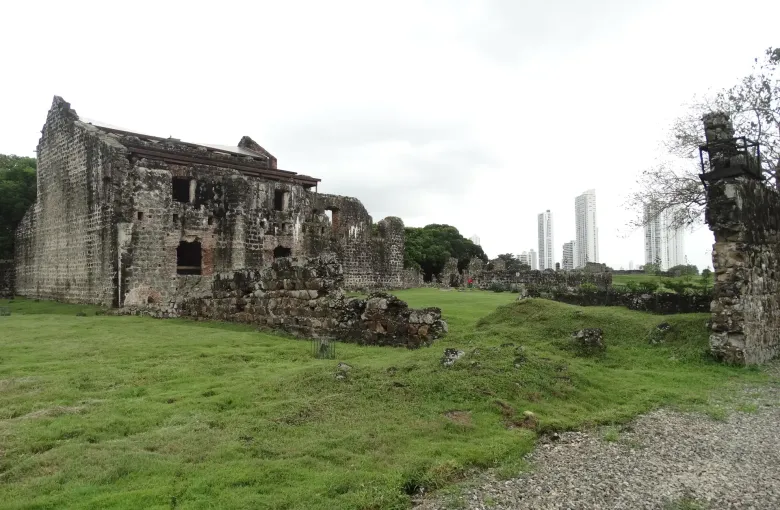
- Panama Viejo. The archaeological park is flat grass and paved path, and the ruins can be seen without climbing anything. The visitor center has lifts.
- Modern hotels and malls. Panama City's newer buildings are built to international standards and several chains have genuinely accessible rooms.
⚠ What does not
- Casco Antiguo. The old quarter is beautiful and it is original cobbles, high curbs, narrow or absent sidewalks and buildings with steps at the door. A manual chair is very hard work and a scooter is not practical.
- Every island. Guna Yala, Bocas del Toro and the Pearl Islands are all reached by a step down into a small boat from a dock with no ramp, often in swell. Crew will help willingly and it remains a physical transfer.
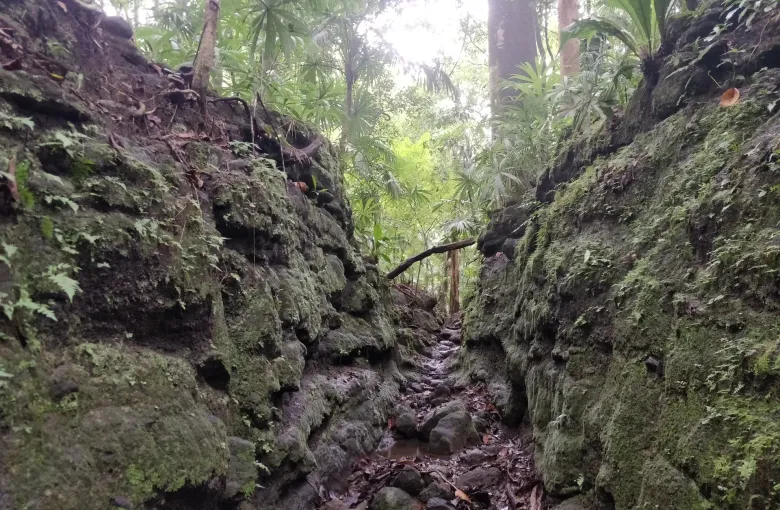
- Forest trails. The Camino de Cruces, the Pipeline Road and the Darien are uneven, muddy and unadapted.
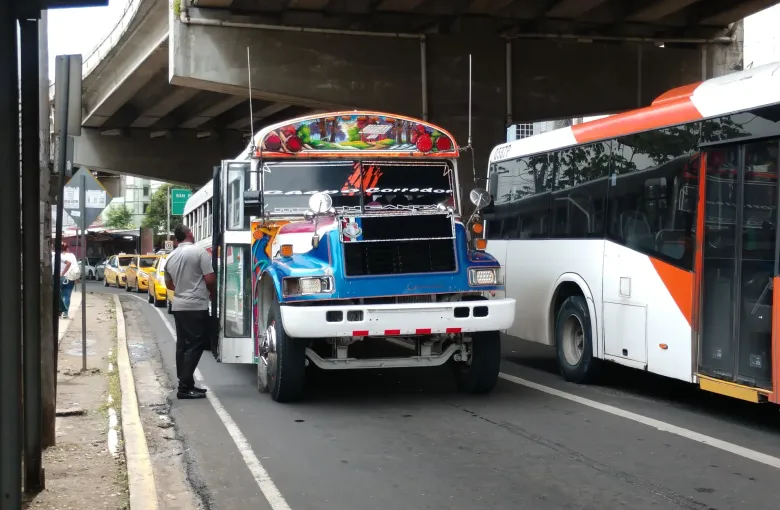
- Older buses, and the diablos rojos entirely. High steps and no space.
Planning it
- Base yourself in the modern city rather than in Casco Antiguo, and visit the old quarter by car for a short, chosen stretch. The trade is charm for practicality and it is the right trade here.
- Hire a private vehicle with a driver. It is not expensive by North American standards and it is the single most useful adaptation available.
- Work with a specialist operator and describe your requirements precisely. Ask about door widths, step free entrances and bathroom layouts, and ask for photographs.
- Bring spare parts and a repair kit. Wheelchair repair is not readily available and a specific part will not be.
- Heat and humidity add to fatigue for everyone. Plan mornings and rest in the afternoon.
Medical and emergencies
Private hospitals in Panama City are among the best in Central America and several work to United States standards, which makes the capital a reassuring base. Carry medication in original labeled packaging with a copy of the prescription, and take out insurance that explicitly covers your condition and includes medical evacuation.
⚠ Call 103 and ask for an ambulance. Carry the number and your accommodation address written in Spanish.
For the transport options in detail, see getting around; for what the climate demands, the packing list.
Sources
- UK Foreign, Commonwealth & Development Office: Panama travel advice: the index to the entry, safety, regional and health pages this cluster draws on, and the standing guidance that no travel can be guaranteed safe. Accessed 17 September 2026.
- UK Foreign, Commonwealth & Development Office: Panama health: the emergency medical number 103, and the advice on insurance and medical evacuation. Accessed 17 September 2026.
Other Articles
Panama for Senior Travelers
The Colonial Transisthmian Route