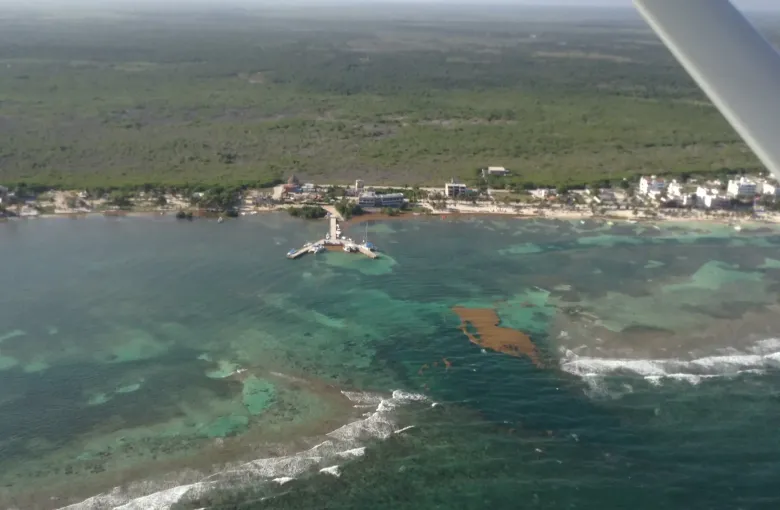
Two different surfaces, and the second one is the trip.
A purpose built cruise terminal is level, paved and designed for large numbers of people moving between a ship and a set of concessions. If your day is the terminal, the pool and the shops, the ground is not going to be the problem.
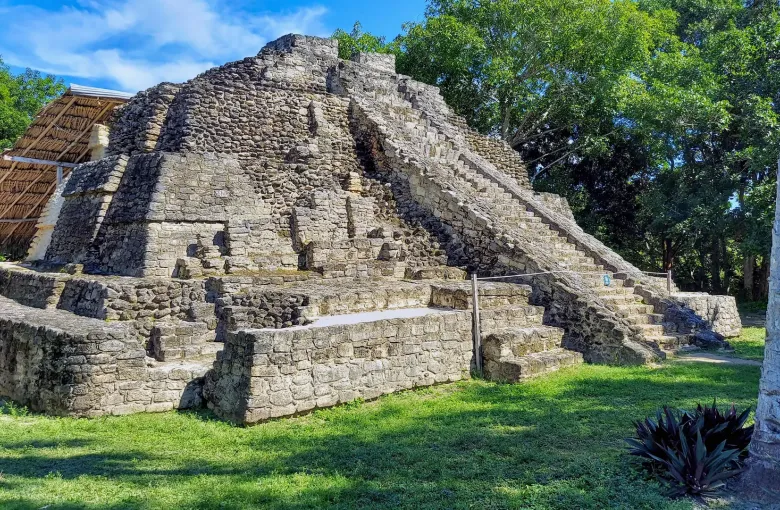
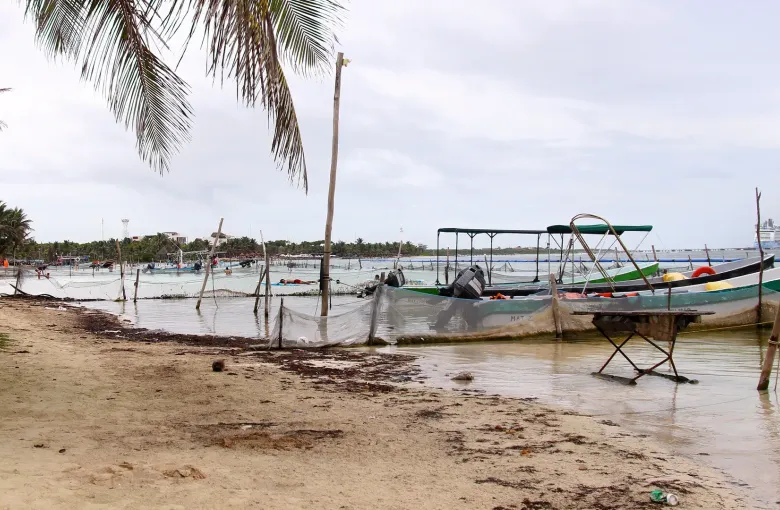
Almost everything else here is different. A fishing village has sand, uneven surfacing and few curbs in the sense a visitor might expect. An archaeological site inland is earth, leaf litter, tree roots and stone, with steps that were not built for visitors and cannot be altered. A boat to a reef involves getting into a boat. None of that makes a day impossible, and all of it makes the difference between a well planned day and a difficult one.
Ask about the ground, not about the word accessible.
The useful questions are concrete and an operator who runs a site every week can answer them. How far is the walk from where the vehicle stops. What is the surface. How many steps, and is there a handrail. Is there shade, and where. Is there somewhere to sit partway. Is there a toilet you can use.
Those questions get better answers than asking whether something is accessible, which means different things to different operators and is sometimes answered optimistically by people who have never had to think about it.
The medical limit matters more here than the surfaces do.
For anyone traveling with a condition that could need more than first aid, the planning constraint is care rather than curbs. The official advice asks every traveler to check that their insurance covers the activities they actually intend to do, and on a coast where the alternative to a local clinic is a journey, that is not a formality. The emergency number is 911 and you ask for an ambulance.
Practically: medication carried with you in its original labeled packaging rather than left in a cabin, insurance that covers evacuation as well as treatment, and a clear sense of how you would get back to the ship early if you needed to.
What this page does not cover.
Accessible travel across Mexico as a country, including its cities, its transport and its larger heritage sites, is a much bigger subject and it is properly handled in the Mexico accessible travel guide. This page is only about the few hours between a ship and whatever you choose to do with them.
If you would like the day built around a known surface and a realistic pace, tell us what you need and we will ask the operators the questions above before anything is booked.
Sources
- UK Foreign, Commonwealth and Development Office: the Mexico health page: that the emergency medical number is 911 and a caller should ask for an ambulance, and that this includes immediate response, ambulances, basic medical equipment and expertise; and that altitude sickness is among the risks it links out to, which is a country-level statement about a country whose capital sits well above sea level rather than about its Caribbean coast. Accessed 21 September 2026.
- UK Foreign, Commonwealth and Development Office: the Mexico safety and security page: that crime is a risk to foreign nationals in Mexico, particularly in major cities and tourist resort areas; that pickpocketing and theft are common, including on public transport; that unlicensed taxi drivers have robbed and assaulted passengers, and that travelers should use the better regulated sitio taxis from authorized ranks or ask a hotel to order one; and that travelers should check their travel insurance covers all their planned activities. Accessed 21 September 2026.
- UK Foreign, Commonwealth and Development Office: the Mexico travel advice landing page: that no travel can be guaranteed safe, and that anyone who chooses to travel should research their destination and get appropriate travel insurance. Accessed 21 September 2026.
Other Articles
Costa Maya for Senior Travelers
Getting Around Costa Maya