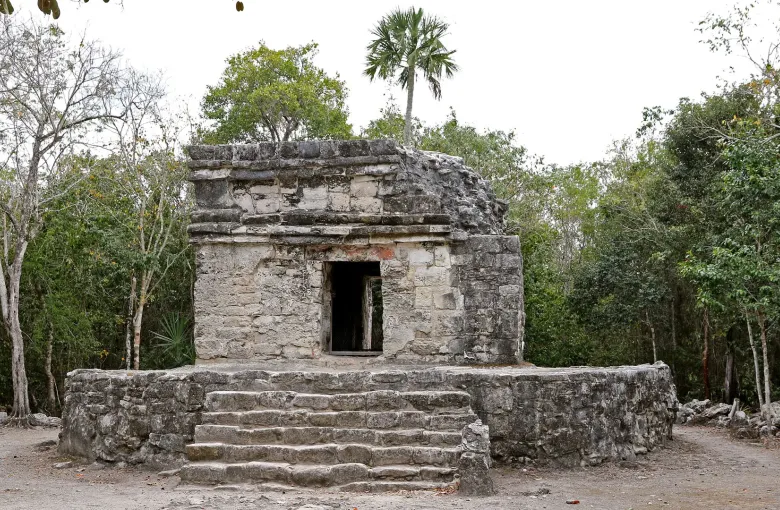
It is a town, and you are a visitor in it.
San Miguel has a square, a waterfront, schools, offices and a population that was here before your ship and will be here after it. The single most useful piece of etiquette on a port call follows from that: the streets you are walking are somebody commute, and the pace that feels relaxed to you is somebody working day.
Spanish is the language. A greeting before a question, rather than a question on its own, changes most interactions for the better, and it costs nothing to learn two words on the walk from the terminal.
Photography.
Ask before photographing people, particularly children, and accept a refusal without negotiating it. A person at work, a vendor at a stall or a family in a square is not a photographic subject by virtue of being somewhere you are visiting. This is not a legal point; it is the difference between a visitor and a nuisance.
What this page cannot tell you.
Nothing in this cluster research register describes local customs, observances, religious practice or community life on this island in terms that could be cited. So this page does not describe them. That is a limit of what has been read rather than a statement that there is nothing to describe, and filling it with plausible generalities about Mexican culture would be worse than admitting the gap. The Mexico culture and etiquette guide is written at the level where that material actually exists.
One thing the advice does say.
The official safety advice records that hotel staff have sometimes been unhelpful to visitors who were assaulted and have tried to convince them not to contact police. That is an unusual thing to find in a culture section, and it belongs here because it is about how an institution may treat you rather than about crime as such. If something happens, report it, whatever you are advised by anyone with an interest in you not doing so. The safety guide carries the full passage.
Sources
- UK Foreign, Commonwealth and Development Office: the Mexico safety and security page: that crime is a risk to foreign nationals in Mexico, particularly in major cities and tourist resort areas; that pickpocketing and theft are common; that unlicensed taxi drivers have robbed and assaulted passengers; that the Mexican government makes efforts to protect major tourist destinations and names this island among them, and that in the same passage criminals have physically and sexually assaulted British travelers in those locations, in some cases involving hotel employees, taxi drivers and security personnel, with hotel staff sometimes unhelpful and trying to convince victims not to contact police; that anyone taking part in adventure sports including scuba diving should be aware equipment may not meet UK safety and insurance standards and that British nationals doing so have been injured and in some cases killed, and should use a company that is reputable, takes safety precautions, uses up to date equipment and is fully licensed and insured; that sea conditions can be unpredictable and some beaches are unpatrolled; that shark attacks are rare in Mexico; that crocodiles normally live in lagoons and coastal areas including Cancun and Pacific coast resorts, which does not name this island; and that the hurricane season normally runs from June to November. Accessed 21 September 2026.
- UK Foreign, Commonwealth and Development Office: the Mexico travel advice landing page: that no travel can be guaranteed safe, and that anyone who chooses to travel should research their destination and get appropriate travel insurance. Accessed 21 September 2026.
Other Articles
Cozumel Safety and Health
Cozumel and Reconnection