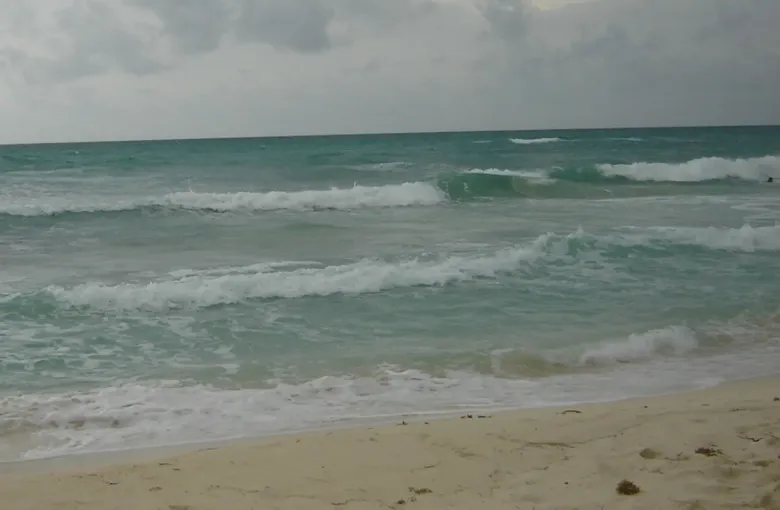
The short version
An advisory against all but essential travel covers eleven Mexican states, whole or in part, and most of those come with written exceptions for the cities, toll roads and rail routes visitors actually use. Quintana Roo, Yucatan, Mexico City, Puebla and Oaxaca carry no advisory at all, and between them those are where the large majority of trips go.
The two sentences you will see elsewhere, that Mexico is dangerous and that Mexico is fine, are both wrong in the same way. The geography is the whole answer.
Where the advisory applies, and where it stops
These are the restricted states. The exceptions are not footnotes; they are the point, because they are usually the route a visitor would take.
- Baja California: the cities of Tijuana and Tecate, and the roads between them. Airside transit through Tijuana airport, the Cross Border Xpress bridge and the 1D toll road through to the border are excepted. Baja California Sur is a different state and is not affected.
- Chihuahua: the state, except the city of Chihuahua, the Ciudad Juarez border crossing, the 45D toll road between them, and the Copper Canyon rail route and the towns immediately on it, including Creel.
- Sinaloa: the state, except Los Mochis and Mazatlan, the 15D toll road that runs its length, and the Copper Canyon rail route.
- Tamaulipas: the state, except the Nuevo Laredo crossing by the 85D from Monterrey, and the whole area south of highways 80, 81 and 85.
- Zacatecas: the whole state, with no exceptions.
- Guanajuato: only the areas southwest of road 45D. San Miguel de Allende and the city of Guanajuato are not in the restricted area.
- Michoacan: the state, except Morelia by the 15D, 126 and 43, and Patzcuaro by the 14D and 15 from Morelia, including boat trips to the islands on Lake Patzcuaro.
- Jalisco: the areas south and southwest of Lake Chapala, and eleven named northern municipalities. Guadalajara and Puerto Vallarta are not restricted.
- Colima: the state, except Manzanillo reached by sea or air and the road from its airport.
- Guerrero: the state, except Zihuatanejo and Ixtapa reached by air. This is the one that most often surprises people, because it includes Acapulco.
- Chiapas: a forty kilometer strip along the Guatemalan border, and Federal Highway 199 between Rancho Nuevo outside San Cristobal de las Casas and the Chancala junction outside Palenque.
Read that as a map rather than a verdict. The Copper Canyon railway, one of the great train journeys anywhere, runs through two restricted states and is explicitly excepted in both.
The document rule, which has no flexibility in it
Mexican authorities can ask to see your passport and your entry stamp, and they do not accept copies or photographs. If you cannot produce them, immigration officers may question and detain you while they check your status, and they can deport you.
This is genuinely different from the advice you would follow elsewhere, where leaving the passport in the hotel safe and carrying a copy is standard. In Mexico that is the thing that gets people detained. There is a digital registry of entry documents available through the national immigration portal, which is worth setting up on arrival.
Crime, in the shape it actually takes
Where organized crime groups are fighting each other the risk is being caught in crossfire or mistaken for somebody else, and that risk is concentrated in the areas the advisory already names. In tourist areas the risk is much lower and is ordinary: theft, and opportunistic robbery.
- Be alert on public transport, at airports and in bus stations. Theft on buses is common and there is a risk of hijacking. Travel on first class services using toll roads, and by day where you can.
- Stay off isolated roads. Use the cuotas, the toll roads, rather than the free ones.
- Keep car doors locked and windows shut, especially at lights. Violent carjackings happen along the Pacific Highway.
- Sexual offenses have been reported in tourist areas, including close to hotels and especially after dark.
- Kidnapping is more common in some areas than others and visitors are not usually the target, but stay aware.
Taxis, and the Cancun complication
Unlicensed drivers have robbed and assaulted passengers, including in Mexico City. Use the better regulated sitio taxis from authorized ranks, ask your hotel to order a car, or at an airport use only the authorized pre-paid service.
Cancun has a specific and unusual problem. Licensed drivers protesting about ride hailing have blocked roads near the hotel zone and pulled visitors out of ride hailing cars, and travelers have missed flights in the resulting roadblocks. Follow your hotel's advice on which service to use there rather than assuming the app you use at home is the safe default.
Drinks
There have been deaths and cases of serious illness in Mexico from alcoholic drinks containing methanol, which cannot be detected by taste or smell and can kill in small quantities. Buy from licensed premises and watch drinks being poured.
Things that are illegal and do not feel illegal
- Vaping devices, e-cigarettes and their solutions may not be brought into Mexico, or bought or sold there. Customs officials confiscate them. The device being legal where you bought it is not relevant.
- A tourist may not do any voluntary or paid work, of any kind, including volunteering. That needs the correct visa, obtained before travel.
- Some adventure and ecotourism activities, including caving, potholing and entomology, may need a visa if they touch on scientific or technological research, and the Mexican authorities define research more broadly than most countries do. If your trip involves collecting, measuring or recording anything, ask the consulate and ask for the answer in writing.
Hotel balconies
Worth its own line because it is so easily dismissed: in some hotels the balcony railings are low and there is a real risk of falling. Look at yours.
Natural hazards
The hurricane season runs from June to November and affects both the Pacific and the Atlantic coasts, bringing floods, landslides and disruption to transport. In 2023 Hurricane Otis, a Category 5 storm, struck the coast near Acapulco and did serious damage to infrastructure there. Monitor forecasts, follow evacuation instructions, and see our Mexico weather guide.
What is not the risk
Worth saying plainly, because Mexico attracts more invented health advice than most places. The CDC records yellow fever vaccine as neither recommended nor required for Mexico, and records no malaria transmission in Quintana Roo, Yucatan or Mexico City. Transmission is limited to Campeche, Chiapas and southern Chihuahua, and is rare in Oaxaca, Sinaloa, Sonora and Tabasco. Food and water care matters far more than either.
Numbers worth having
- 911 for emergencies, the same number as at home.
- In Mexico City, the emergency buttons on street cameras connect directly to the services.
- Outside state capitals and larger cities, ambulance and emergency response may be limited.
Verify before you travel
Advisory boundaries change, and they change state by state. Check the current position close to departure rather than relying on the list above.
Sources
- UK Foreign, Commonwealth & Development Office: Mexico travel advice: the eleven states carrying an advisory against all but essential travel and the explicit exceptions within them, including the Copper Canyon rail route in Chihuahua and Sinaloa, Los Mochis and Mazatlan, Morelia and Patzcuaro in Michoacan, Manzanillo in Colima and Zihuatanejo and Ixtapa in Guerrero, and the statement that no travel can be guaranteed safe. Accessed 16 September 2026.
- UK Foreign, Commonwealth & Development Office: Mexico safety and security: the requirement to carry the passport and entry stamp and the refusal of copies or photographs, the illegality of bringing in or selling vaping devices, robbery by unlicensed taxi drivers and the sitio and pre-paid airport alternatives, the Cancun taxi protests that have pulled visitors from ride hailing cars, theft and hijacking on buses and the case for first class services on toll roads, carjacking on the Pacific Highway, methanol in spirit drinks, low hotel balcony railings, the hurricane season from June to November and Hurricane Otis at Acapulco in 2023, and the LGBT+ legal position. Accessed 16 September 2026.
- UK Foreign, Commonwealth & Development Office: Mexico health: the emergency number 911 and the emergency buttons on Mexico City street cameras, the eight week lead time before travel, the limits of medical and ambulance services outside state capitals, altitude sickness in parts of the country, dengue, chikungunya, Zika, air pollution and Cyclospora, and the advice to drink only boiled or bottled water and avoid ice. Accessed 16 September 2026.
- US Centers for Disease Control and Prevention: Travelers' Health, Mexico: the record that yellow fever vaccine is neither recommended nor required, and the malaria map limiting transmission to Campeche, Chiapas and the southern part of Chihuahua, recording it as rare in Oaxaca, Sinaloa, Sonora and Tabasco, and recording no transmission along the United States border. Accessed 16 September 2026.
Other Articles
Getting Around Mexico
Mexico Visa and Entry Requirements