The advisory that applies to Guatemala is narrow, and reading it as a warning about the country is the common error. This page states what it covers, then deals separately with the risks that actually shape an ordinary trip.
What the advisory restricts
The cited advisory advises against all but essential travel within five kilometers of the Mexican border, from the Pacific Coast up to and including the Gracias a Dios crossing. It gives the same advice for three towns in the department of Huehuetenango: Santa Ana Huista, San Antonio Huista and La Democracia.
That is the whole of it. Antigua, Lake Atitlan, Tikal and the Peten are all well away from it, and the cited advisory does not advise against travel to any of them. The same source asks travelers to pay particular attention to security in the border areas generally, which is ordinary sense rather than a restriction.
Crime, and the shape of it
The risk that actually applies to visitors is opportunistic theft rather than anything more dramatic. The habits that answer it are unremarkable and they work.
- Use a booked shuttle or a hotel taxi rather than hailing on the street, particularly after dark.
- Carry the day's cash and leave the rest, with your passport, in the hotel safe.
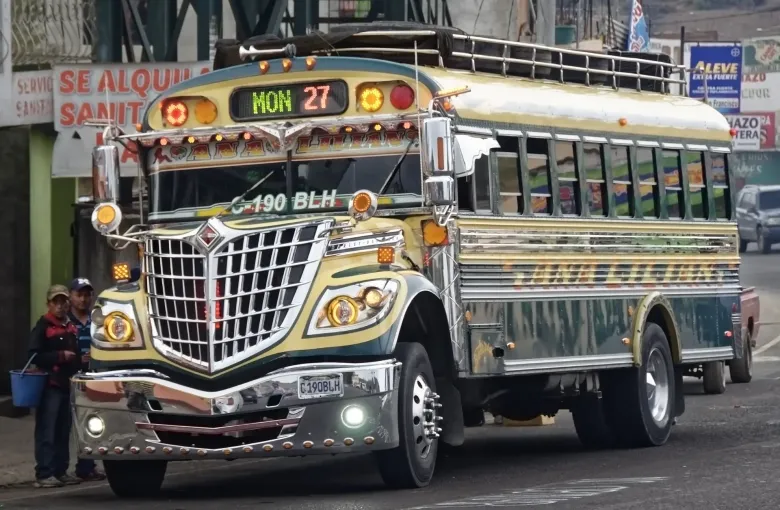
- Keep a phone out of sight on a street and out of sight on a chicken bus.
- Avoid demonstrations and roadblocks. Roadblocks in particular can close an intercity route for a day with no warning, which is a planning problem before it is anything else.
- Walk in company at night in Guatemala City and in Antigua alike.
Volcanoes
Guatemala has three volcanoes in more or less continuous activity, and Volcan de Fuego is the most vigorous of them. Volcano hikes are among the best things in the country and they are run commercially every day, but the mountain decides rather than the operator. Take a guided ascent, take the guide's judgment on the day seriously, and register your plan with your accommodation. Ash and closures are ordinary events here.
Altitude
Altitude sickness is a mild risk in the western highlands, where Quetzaltenango sits above 2,300 m and the ridges go higher. Acclimatize before you go higher, never during: give yourself a day in the highlands before a serious climb, drink more water than feels necessary, and go down if symptoms do not settle.
Health
The cited health source records no malaria transmission in the cities of Antigua or Guatemala City, and none at Lake Atitlan. Transmission is recorded primarily in the departments of Alta Verapaz, Baja Verapaz, Escuintla, Izabal and Peten, with few cases reported in other departments. Whether to take anything against it, and what, is a conversation with your own clinician, who knows your history. This page publishes no medication and no dose.
Mosquito bite avoidance is worth more than most travelers give it credit for, and it works against several things at once: repellent on exposed skin, long sleeves at dusk, and a room with screens or a net.
Tap water is not for drinking. Bottled or filtered water is universal and cheap, and most hotels provide it.
⚠ Emergency numbers
Call 122 or 123 and ask for an ambulance. Two numbers are published rather than one, and it is worth carrying both in your phone before you need them. Care in the cities is reasonable and is thinner in rural areas; travel insurance that includes medical evacuation is the thing to arrange before you travel, not the thing to discover you do not have.
Consult a travel clinic ideally eight weeks before departure, and carry medication in original labeled packaging with a copy of the prescription. For the entry conditions, including the yellow fever rule and the transit clause inside it, see visa and entry requirements.
Sources
- UK Foreign, Commonwealth & Development Office: Guatemala travel advice: the standing warning that the FCDO advises against all but essential travel to parts of Guatemala, and the index to the entry, safety, regional and health pages this cluster draws on. Accessed 17 September 2026.
- UK Foreign, Commonwealth & Development Office: Guatemala safety and security: the crime picture, the advice on demonstrations and roadblocks, and the standing guidance that no travel can be guaranteed safe. Accessed 17 September 2026.
- UK Foreign, Commonwealth & Development Office: Guatemala regional risks: the advice against all but essential travel within five kilometers of the Mexican border from the Pacific Coast up to and including the Gracias a Dios crossing, the same advice for the towns of Santa Ana Huista, San Antonio Huista and La Democracia in Huehuetenango, and the instruction to pay particular attention to security in the border areas with Mexico, Honduras, El Salvador and Belize. Accessed 17 September 2026.
- UK Foreign, Commonwealth & Development Office: Guatemala health: the emergency medical numbers 122 and 123, and the advice on insurance and medical evacuation. Accessed 17 September 2026.
- Centers for Disease Control and Prevention: Guatemala traveler health: the yellow fever vaccine recorded as not recommended, not required for direct travel from the United States, and required for travelers aged one year and over arriving from a country with transmission risk including airport transits or layovers of more than twelve hours; malaria transmission primarily in the departments of Alta Verapaz, Baja Verapaz, Escuintla, Izabal and Peten with few cases reported elsewhere, no transmission in the cities of Antigua or Guatemala City, and no transmission at Lake Atitlan. Accessed 17 September 2026.
Other Articles
Getting Around Guatemala
Guatemala Visa and Entry Requirements