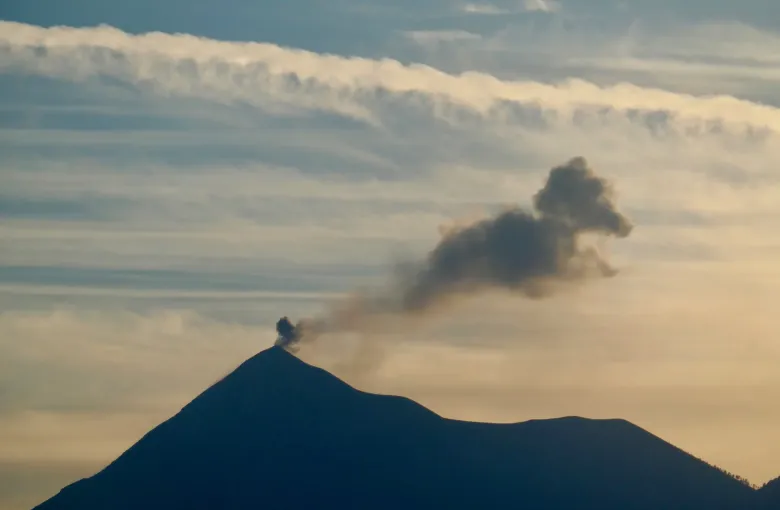
Pack for altitude, not for latitude. The two things almost everyone gets wrong here are how cold a highland night is and how hard the sun is at that height, and both are consequences of the same fact.
Clothing
- Layers that work together: a base layer, a fleece or light down, and a shell. A highland day runs from cold at dawn to warm at noon to cold again by six, all year.
- A warm layer for sleeping. Many good hotels in Antigua, around Lake Atitlan and in Quetzaltenango have no heating, because the climate does not usually justify it.
- Light long sleeves and long trousers for the lowlands. They beat shorts for sun and for insects, and they are more appropriate at village level.
- A rain shell in any month, and a small pack cover from May to October. The afternoon shower is heavy and short.
- Modest clothing for churches and for villages. Shoulders and knees covered is the simple version; the culture guide has the rest.
⚠ Shoes
Antigua's cobbles are the real thing and they are uneven, and the stairs at Tikal are steep and slick after rain. Bring the sturdiest closed shoes you own with the best grip. This is the single item most likely to change how much you enjoy a day here, and sandals are for the hotel.
Sun and insects
- High factor sunscreen, and use it on overcast days. The highland sun burns through cloud.
- A brimmed hat and sunglasses.
- Insect repellent, and a long sleeved layer for dusk in the lowlands. Bite avoidance is the practical answer to several things at once.
Documents and money
- Passport valid six months beyond arrival, with at least two blank pages. Carry a photocopy and a photograph on your phone, and leave the passport in the hotel safe.
- Two cards from different banks, stored separately, plus clean unmarked US dollars as a reserve. See the money guide.
- Your travel insurance policy number and its emergency line, saved offline.
- Proof of your online immigration declaration, which is filed before you travel. See visa and entry requirements.
Health kit
Personal medication in original labeled packaging with a copy of the prescription, plus the ordinary small things: rehydration salts, blister plasters, hand sanitizer, a basic first aid kit. A travel clinic conversation eight weeks ahead is worth more than anything you can buy. This page names no medication and no dose.
Worth having
- A headlamp. Power cuts happen and village streets are unlit.
- A refillable bottle with a filter. Tap water is not for drinking and this reduces the plastic considerably.
- A dry bag for boat crossings on Lake Atitlan and on the Rio Dulce.
- Space for textiles. You will buy some, and they are bulkier than they look.
Sources
- UK Foreign, Commonwealth & Development Office: Guatemala travel advice: the standing warning that the FCDO advises against all but essential travel to parts of Guatemala, and the index to the entry, safety, regional and health pages this cluster draws on. Accessed 17 September 2026.
- Centers for Disease Control and Prevention: Guatemala traveler health: the yellow fever vaccine recorded as not recommended, not required for direct travel from the United States, and required for travelers aged one year and over arriving from a country with transmission risk including airport transits or layovers of more than twelve hours; malaria transmission primarily in the departments of Alta Verapaz, Baja Verapaz, Escuintla, Izabal and Peten with few cases reported elsewhere, no transmission in the cities of Antigua or Guatemala City, and no transmission at Lake Atitlan. Accessed 17 September 2026.
Other Articles
Guatemala Weather Guide
Getting Around Guatemala