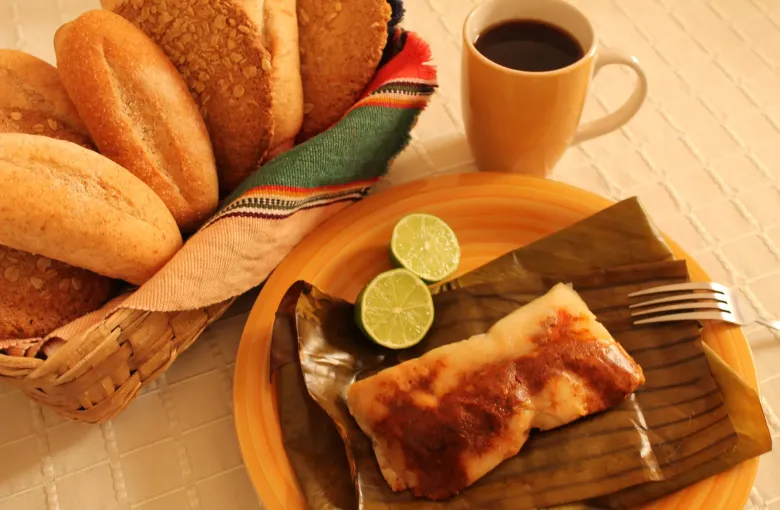
Spanish is the official language, and it is one of more than twenty in daily use. The Maya language families, among them Kiche, Kaqchikel, Mam and Qeqchi, are living first languages for millions of people, and in highland villages Spanish is the second language rather than the first. A greeting in the local language, badly pronounced, is received extremely well.
⚠ Photographs
Ask first, every time, and accept no gracefully. This matters more in Guatemala than in most places a visitor will have been, and it matters most with children, where the answer should be sought from a parent and where a stranger photographing a child is not read the way it might be at home. Some communities ask visitors not to photograph at all, and some ask for a small payment; both are reasonable answers to being looked at for a living.
Ceremonies, particularly Maya religious ones, are not performances. If you have not been invited and nobody is selling tickets, watch from a distance or do not watch.
Dress
The traje, the woven dress of the highlands, is specific: the pattern of a huipil says which town its wearer is from, and the weaving is months of work. Buying one is welcome and wearing it as a costume is not. Buy directly from a weaver or a cooperative where you can, and pay something like what it is worth.
Visitors dress modestly outside the resorts. Covered shoulders and knees in churches and in villages, and swimwear only at the water.
Greetings and manners
- Buenos dias, buenas tardes, buenas noches, before anything else. Walking into a shop or a comedor and starting with a request reads as rude.
- A handshake, and among women who know each other a light cheek touch.
- Usted rather than tu with anyone older or in any formal setting.
- Guatemalan conversation is indirect and courteous. A flat no is rare; a hesitation often means one, and pressing past it is the mistake.
- Punctuality is looser for social arrangements and firmer for tours and buses.
Markets
Chichicastenango on Thursday and Sunday is the famous one, and every town has its own day. Bargain in good humor, at a scale that matches what is being sold, and remember that the difference you are negotiating over a handwoven piece is small to you and is not small to the person who wove it. Buy from the maker rather than a reseller when you can tell the difference.
Two subjects to handle carefully
The armed conflict that ended in 1996 is within living memory for almost everyone over forty and it touched Maya communities hardest. Politics and the conflict are subjects to listen about rather than to open. Avoid demonstrations and roadblocks entirely, which is a safety matter as well as a courtesy one; see the travel safety guide.
For the Caribbean coast, which is a different culture again, see the Garifuna coast guide.
Sources
- UK Foreign, Commonwealth & Development Office: Guatemala travel advice: the standing warning that the FCDO advises against all but essential travel to parts of Guatemala, and the index to the entry, safety, regional and health pages this cluster draws on. Accessed 17 September 2026.
- UNESCO World Heritage Centre: Guatemala States Party record: four properties inscribed on the World Heritage List, three cultural and one mixed, together with a tentative list of twenty two further sites that includes the protected area of Lake Atitlan. Accessed 17 September 2026.
Other Articles
The Garifuna Caribbean Coast
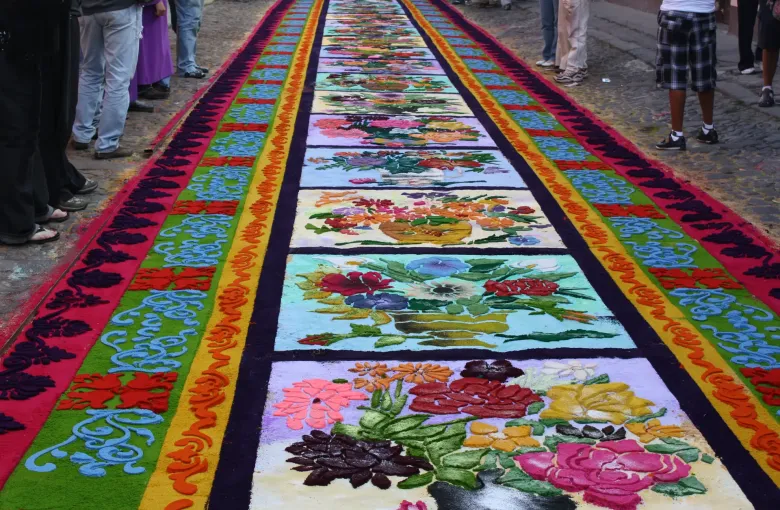
Festivals and Events in Guatemala