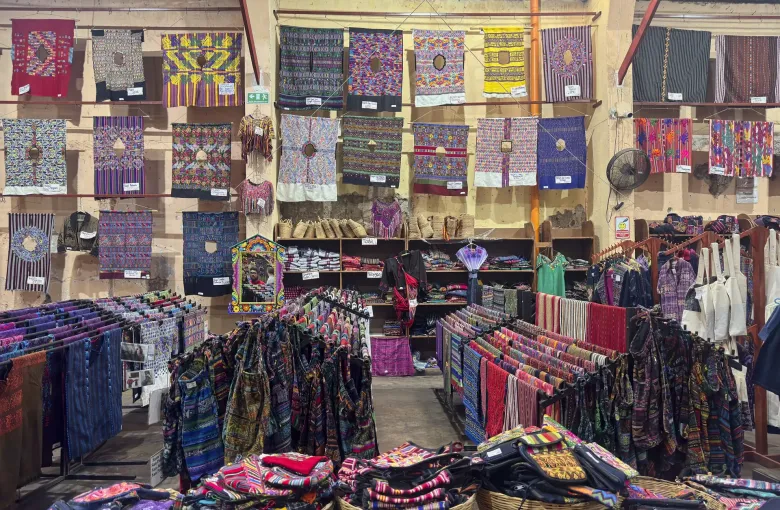
Corn is the foundation, and it is not a garnish here. Maize is the material Maya creation narratives are told in, and the tortilla is at the middle of almost every meal: hand patted, thick, cooked on a comal, and eaten as the implement rather than the side.
The dishes to look for
- Pepian. The one most often called the national dish. A dark braise of chicken or beef in a sauce of toasted seeds, chiles and tomatoes, ground to a heavy body. Slow, savory and not at all fiery.
- Kak ik. A turkey soup from the Alta Verapaz, brick red with achiote and tomato, served with rice and tamalitos. One of the oldest recorded dishes in the country.
- Jocon. Chicken in a green sauce of tomatillo and cilantro, sharper and lighter than pepian.
- Tamales and chuchitos. Corn dough steamed in a banana leaf or a corn husk, eaten at the weekend and at every celebration. The Saturday night tamal is a genuine institution.
- Rellenitos. Mashed plantain around sweetened black bean, fried. Better than the description makes it sound.
- Fiambre. Made once a year for the first of November, a vast cold platter of dozens of ingredients that every family assembles differently.
Coffee
Guatemala is one of the great coffee origins, and Antigua, Huehuetenango and the Coban region are names a specialty roaster anywhere in the world will recognize. For a long time the best beans all left the country and what stayed was thin. That has changed: Antigua and Guatemala City now have serious cafes sourcing locally, and a farm visit in the hills above Antigua is one of the better half days available.
Drinks
- Atol and atol de elote. Warm, thick corn drinks sold from the street in the morning. The sweet corn version is the friendliest introduction.
- Licuados. Fruit blended with water or milk. Ask for it with purified water, which any established place uses as a matter of course.
- Chocolate. Cacao is native to the region and the local style is thin, spiced and not very sweet. Antigua is the place to try it properly made.
- Rum. Guatemalan aged rum is a genuine export and is drunk neat here.
Eating well and safely
- Comedores, the small family dining rooms, serve the best value and often the best food. Look for the one full of people eating lunch.
- Street food from a busy stall, cooked in front of you and served hot, is a reasonable risk. Room temperature food that has been sitting is not.
- Drink bottled or filtered water, and be careful about ice in unfamiliar places. Established restaurants make ice from purified water.
- Wash or peel fruit you buy in a market.
For what a market visit is like and how to behave in one, see the culture guide; for paying, see the money guide.
Sources
- UK Foreign, Commonwealth & Development Office: Guatemala travel advice: the standing warning that the FCDO advises against all but essential travel to parts of Guatemala, and the index to the entry, safety, regional and health pages this cluster draws on. Accessed 17 September 2026.
- Centers for Disease Control and Prevention: Guatemala traveler health: the yellow fever vaccine recorded as not recommended, not required for direct travel from the United States, and required for travelers aged one year and over arriving from a country with transmission risk including airport transits or layovers of more than twelve hours; malaria transmission primarily in the departments of Alta Verapaz, Baja Verapaz, Escuintla, Izabal and Peten with few cases reported elsewhere, no transmission in the cities of Antigua or Guatemala City, and no transmission at Lake Atitlan. Accessed 17 September 2026.
Other Articles
Guatemalan Culture and Etiquette
Festivals and Events in Guatemala