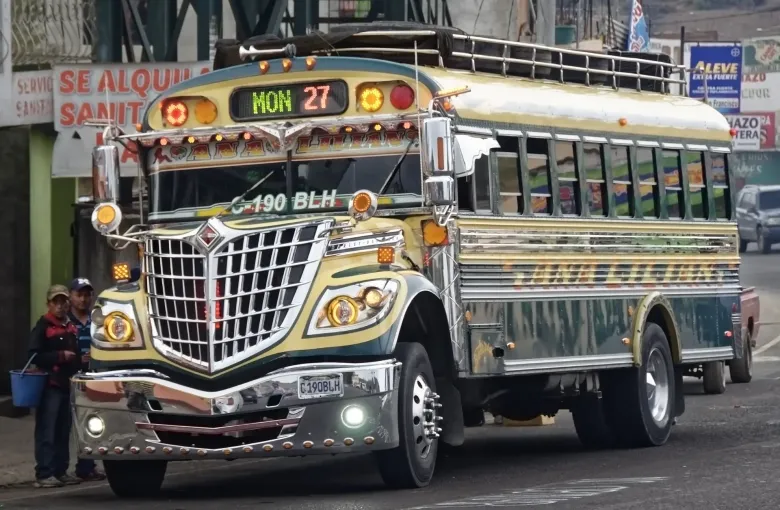
Guatemala runs on two seasons rather than four, and they are named for rain rather than temperature. The dry season runs from November to April and the wet season, which Guatemalans call the green season or simply the winter, runs from May to October.
The dry season
November through April is the reliable half of the year. Days in the western highlands are bright and cool, evenings are genuinely cold, and the volcanoes are out far more often than not. This is when most visitors come, and it is when Antigua, Lake Atitlan and the Peten are busiest.
Two weeks inside it are busier than the rest by a wide margin: Holy Week, whose date moves with Easter, and the stretch between Christmas and New Year. Antigua during Holy Week is one of the great religious spectacles in the Americas and the town is completely full. Book months out or choose a different week deliberately.
The green season
May through October is wetter and much quieter. The pattern is usually a clear morning and an afternoon downpour that lasts an hour or two, rather than a day of rain, so a trip planned around early starts loses very little. The landscape is at its best in these months: the highlands turn an intense green, the waterfalls run, and the light after a storm is worth the storm.
September and October are the wettest and carry the most risk of a road closure, which is a planning problem rather than a safety one. Build in a spare day if the itinerary depends on a single overland leg.
The Peten runs on its own logic
Tikal and the northern lowlands are hot and humid all year. The dry months are more comfortable underfoot, but the forest is more alive in the wet ones and an early arrival beats a good forecast in either. Whatever the month, the gate opens early and the first two hours are the ones worth having.
What actually decides the date
- Holy Week. If it is the reason you are going, everything else bends around it. If it is not, know when it falls and decide on purpose.
- Altitude, not latitude, decides how cold you will be. Quetzaltenango sits above 2,300 m and a December night there is cold in a way a Caribbean map does not suggest.
- The festival calendar is denser than most visitors expect. The festivals guide has the dates that are worth building around.
For what the months feel like in each region, see the weather guide, and for what to bring once the dates are set, the packing list.
Sources
- UK Foreign, Commonwealth & Development Office: Guatemala travel advice: the standing warning that the FCDO advises against all but essential travel to parts of Guatemala, and the index to the entry, safety, regional and health pages this cluster draws on. Accessed 17 September 2026.
- Centers for Disease Control and Prevention: Guatemala traveler health: the yellow fever vaccine recorded as not recommended, not required for direct travel from the United States, and required for travelers aged one year and over arriving from a country with transmission risk including airport transits or layovers of more than twelve hours; malaria transmission primarily in the departments of Alta Verapaz, Baja Verapaz, Escuintla, Izabal and Peten with few cases reported elsewhere, no transmission in the cities of Antigua or Guatemala City, and no transmission at Lake Atitlan. Accessed 17 September 2026.
- UNESCO World Heritage Centre: Antigua Guatemala, inscribed 1979, recording the capital of the Captaincy General of Guatemala founded in the early sixteenth century, laid out on a grid inspired by the Italian Renaissance and largely ruined by the earthquake of 1773. Accessed 17 September 2026.
Other Articles
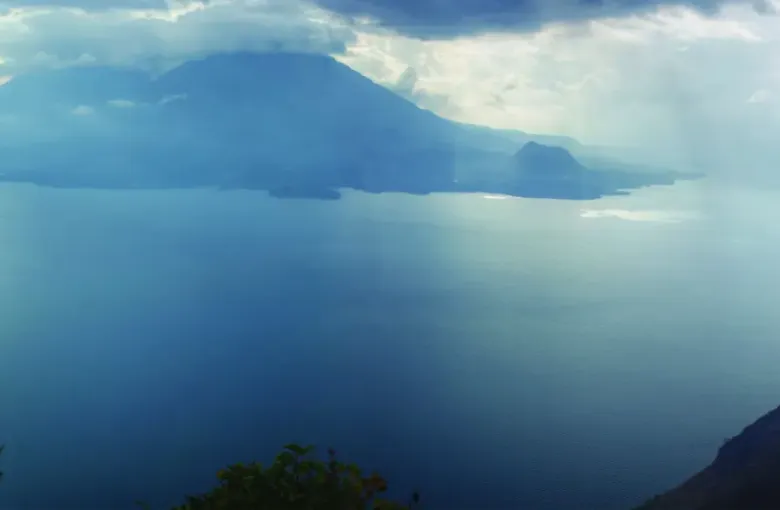
Guatemala Weather Guide
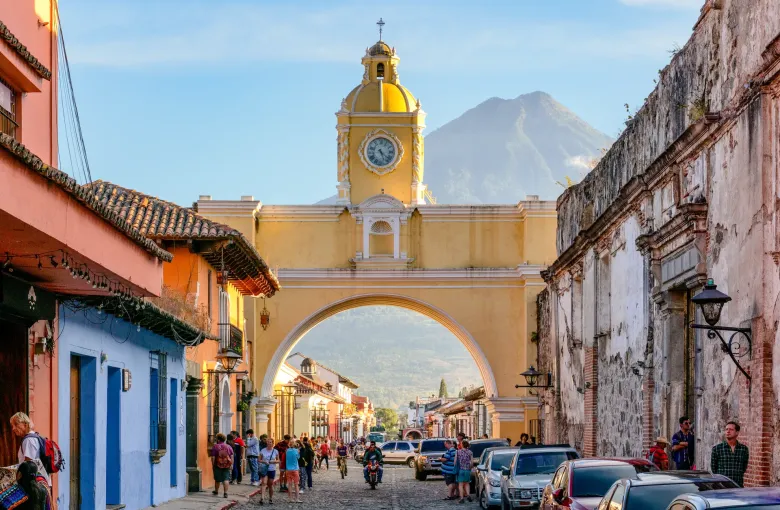
Antigua Guatemala