The short version
We publish no temperature figures on this page. Nothing consulted for this guide states a temperature for anywhere in Austria, and a number invented for a travel page is worse than no number, because a reader packs against it.
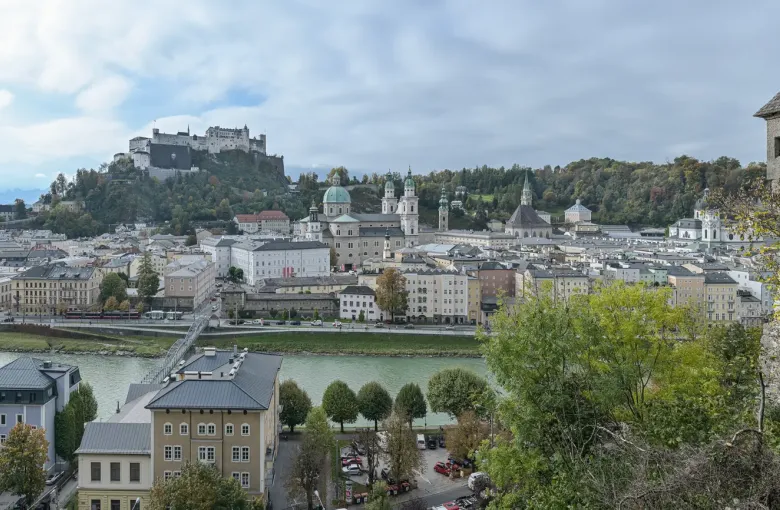
What can be said with confidence is structural. Austria has a continental east, around Vienna and the Danube, with a real summer and a real winter. It has an alpine west and center, where conditions are set by height above sea level rather than by the date. And the country is small enough that you can pass between the two in an afternoon, which is what makes packing for it awkward.
Altitude, not latitude
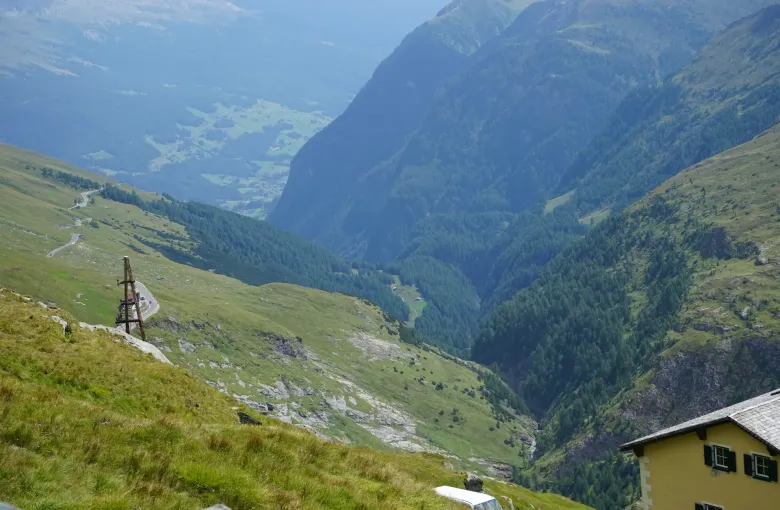
The single most useful thing to understand about Austrian weather is that a valley floor and a ridge two hours' walk above it are in different climates on the same day. Conditions can turn quickly at altitude in any month. A morning that begins clear in the valley is not a forecast for where you are going.
The practical consequence is not dramatic. It is that you check the mountain forecast rather than the town forecast, and that you carry a layer you did not think you would need.
The alpine hazards, and that they do not have a season
The hazard advice published for Austria is written for people going above the valleys, and the important detail is that it is not seasonal. If your trip includes anything above the treeline, the things to check for and be equipped against include avalanches and snowdrifts, landslides and flooding, glacial crevasses, rockfalls, thunderstorms, altitude sickness, sun exposure, and sudden changes in the weather.
The recommended equipment is the same in every season: a map, a compass, GPS, a charged means of communication, and enough clothing and food for a worse day than the one forecast. Doing anything alone increases the risk, and hiring a guide is a reasonable answer to unfamiliar terrain.
Driving, and why the weather decides the route
Roads outside the towns are narrow and winding, and conditions at height deteriorate faster than most visitors expect, including in summer during heavy rain. In winter the high routes need proper tires and often chains, and many of them are simply closed.
Treat any itinerary that depends on a single high pass as provisional, and know your alternative before you set out rather than at the barrier.
What this means for a group trip
Two things, both boring and both true. First, build a weather day into any itinerary that goes above the valleys, because a cable car that does not run on the day you booked it is a normal event and not a disaster. Second, keep the alpine part of a trip and the city part of it separated in the plan, so that bad weather in one does not compromise the other.
Verify Before You Travel
- The Austrian national weather service, for the mountain forecast rather than the town forecast, on the morning you go up.
- The UK Foreign, Commonwealth & Development Office Austria safety page, for the alpine hazard list and the equipment advice quoted above.
Sources
- UK Foreign, Commonwealth & Development Office: Austria travel advice: no advisory against travel to any part of the country. Accessed 16 September 2026.
- UK Foreign, Commonwealth & Development Office: Austria safety and security: the terrorism assessment and the attacks of February 2025 in Villach and November 2020 in Vienna, pickpocketing in city centers and parks, drink spiking, the requirement to have easy access to your passport, the refusal of a driving license as official ID, the face-covering ban and its fine, the public-transport ticket validation fine, and mountain rescue insurance. Accessed 16 September 2026.
Other Articles
Best Time to Visit Austria
Austria Packing List