The quick answer
Greet people before you ask them anything. Dress better than you would at home. Ask before you photograph anyone. And on the subject of 1994, listen rather than lead.
Greetings
A Rwandan interaction opens with a greeting and an inquiry after the other person, and skipping that to get to your question reads as brusque. It takes ten seconds and it changes the tone of everything that follows.
Kinyarwanda is the language everyone shares. English and French are both widely used, English increasingly so in business and education. A few words go a long way:
- Muraho, hello.
- Amakuru?, how are you? Answered with ni meza, I am well.
- Murakoze, thank you.
- Yego and oya, yes and no.
Handshakes are normal. Among friends you will see a handshake combined with a light touch of the forearms or a shoulder embrace. Use both hands, or the right hand supported at the wrist by the left, when giving or receiving something of significance.
Dress
Rwandans dress neatly and it is noticed. Kigali in particular is a well presented city and the scruffy tourist stands out more here than in most places. Smart casual covers nearly everything. Cover shoulders and knees at religious sites, and dress as you would for a funeral when visiting a memorial. This is not a rule imposed on visitors; it is what people around you will be wearing.
Photography
Ask before photographing people, accept refusal gracefully, and do not photograph children without a parent’s clear agreement. A camera pointed at someone going about their day without a word exchanged is the most common way visitors give offense here.
Two hard rules rather than courtesies: it is illegal to photograph some government buildings, and flying a drone over a prohibited area without a permit risks imprisonment or a severe fine. At the memorial sites, follow the posted instructions exactly.
Talking about 1994
This is the part visitors worry about, and the worry is appropriate. Some guidance that is actually useful:
- The term used in Rwanda is the genocide against the Tutsi. Use it.
- Do not ask anyone which group they belong to. Ethnic identification is deliberately absent from Rwandan public life and the question lands badly. It is also, for many people, a question about who in their family was killed.
- Let people raise it. Many Rwandans will speak about it openly, including guides at the memorials, and what they choose to tell you is theirs to choose. Follow rather than lead.
- Assume proximity. In a country this size, anyone of a certain age you speak to is likely to have lost family. Conversational curiosity is not neutral here.
- Do not treat it as the whole country. Rwanda is not a museum of 1994 and being treated as one is wearying for the people who live here.
Our guide to the memorial sites covers conduct at the sites themselves.
Living culture
Rwanda has one element inscribed on UNESCO’s Representative List of the Intangible Cultural Heritage of Humanity: Intore, inscribed in 2024. It is a performance tradition of dance, drumming and poetry with deep roots in the royal court, and a good performance is nothing like the hotel floor show the phrase might suggest.
Craft cooperatives, particularly the basket weavers, produce work of a very high standard and buying directly from a cooperative sends far more of the money to the maker. See our festivals and living culture guide.
Small things that matter
- Umuganda. The last Saturday morning of each month is community work and most services close from 7am to 11am. Do not schedule around it in irritation; it is a real part of how the country runs.
- Litter. Rwanda is strikingly clean and takes it seriously. Plastic bags are banned. Do not be the visitor who drops something.
- Public conduct. Voices are not raised. Losing your temper in public is counterproductive as well as embarrassing.
- Punctuality. Appointments are kept more closely than the regional stereotype suggests, especially in Kigali.
- Left hand. Use the right for eating and for passing things.
Planning with LABUSA Travel
We brief groups properly before arrival, including on the memorial visits, because the difference between a respectful group and an awkward one is almost entirely preparation.
Sources
- UK Foreign, Commonwealth & Development Office: Rwanda travel advice: regional risks, local laws, health and entry requirements. Accessed 13 September 2026.
- Visit Rwanda: the national tourism presentation of parks, culture and itineraries. Accessed 13 September 2026.
- UNESCO Intangible Cultural Heritage: Rwanda’s single inscribed element, Intore, on the Representative List. Accessed 13 September 2026.
Other Articles
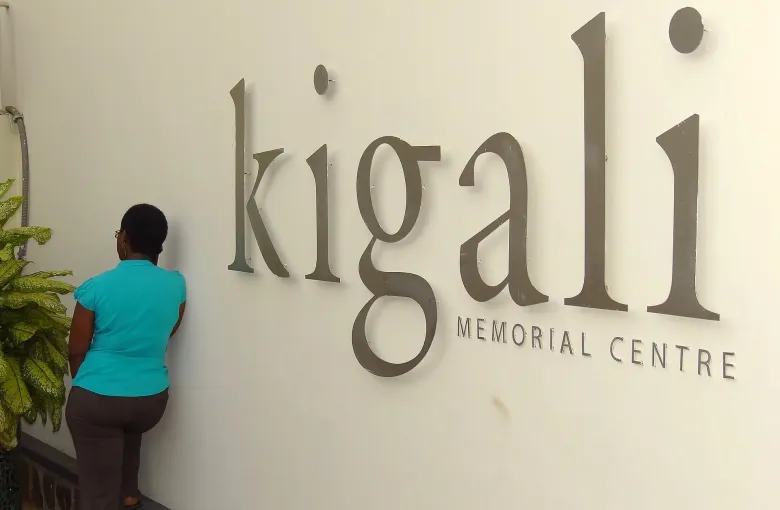
Visiting Rwanda’s Genocide Memorial Sites
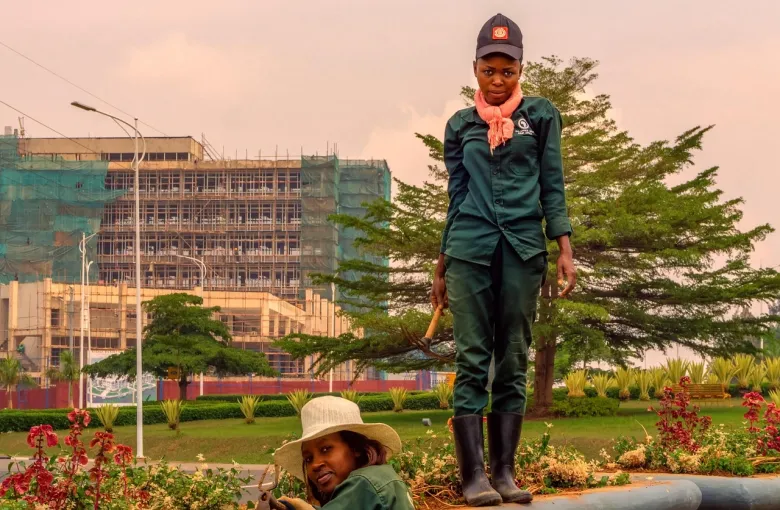
Rwanda Festivals and Celebrations