The quick answer
Pack for altitude, rain and mud, in that order. Uganda sits on the equator, and almost nothing about that fact should influence your bag. What should influence it is that the gorilla forests are high, steep and wet, and that evenings in the southwest are cold.
The trekking kit, which is the part that matters
Bwindi is Afromontane forest on a steep slope. The walk to find a gorilla family can be short or it can be the better part of a day, and you do not know which when you set out.
- Boots with ankle support and real grip, worn in before you travel. This is the single most important item on the list and the one most often got wrong.
- Gardening or work gloves. You will grab vegetation to steady yourself, and some of it stings or has thorns.
- Long trousers and long sleeves, for the same reason.
- Gaiters, or trousers you can tuck into socks. Safari ants are a real and memorable feature of a forest floor.
- A proper waterproof, not a shower-resistant shell.
- A dry bag or waterproof case for the camera and the phone.
Layers, because you are visiting three climates
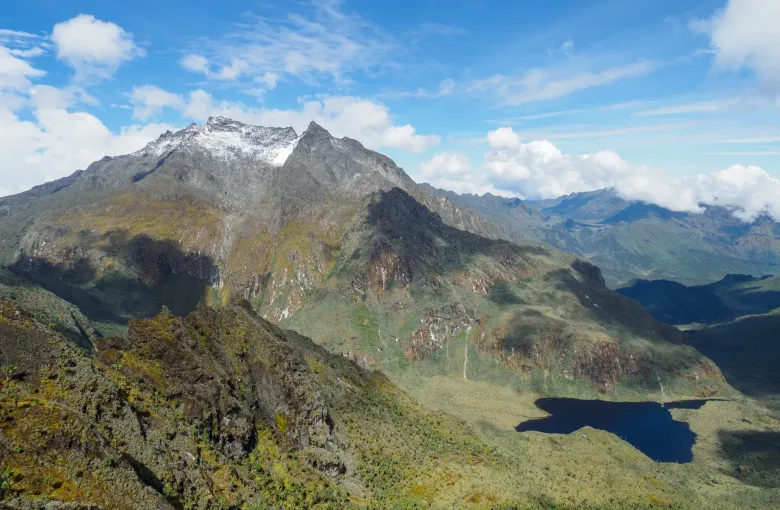
A typical itinerary takes in warm humid lowland around the lake, mild days and cold nights in the high southwest, and, if the Rwenzori is on it, a genuine alpine environment. Pack a warm mid-layer and something for the evenings even if the forecast for Kampala says otherwise. See Uganda Weather Guide for how sharply this changes with height.
Documents that must be physical
Three things should be on paper or card in your hand luggage, not on a phone:
- Your printed visa letter of authorization with its barcode.
- Your yellow fever certificate, the actual card.
- Your travel and medical evacuation insurance documents, with the policy number and the emergency number.
Uganda Visa and Entry Requirements covers why the printed copy matters.
Health items
Bring your malaria prophylaxis and enough of any prescription medication for the whole trip plus a margin, in original labeled packaging, with a copy of the prescription. Insect repellent, a high-factor sunscreen for the altitude, and a small personal first aid kit including rehydration salts and blister plasters.
Clothing conventions
Uganda is generally conservative in dress outside the capital. Shoulders and knees covered is a safe default for towns, markets and any religious site, and it is appreciated rather than merely tolerated. Something smarter for a lodge dinner is worth the space.
What to leave at home
- Camouflage-pattern clothing. Its wear is restricted in a number of countries in the region and it is not worth the conversation.
- Drones, unless you have arranged permission in advance and in writing.
- Conspicuous jewelry and watches, per the security advice in Uganda Currency and Money Guide.
- New boots.
One thing worth buying there
Porters at Bwindi carry bags and help on the steep sections for a set fee, and hiring one is both practical and a direct way of putting tourism money into the community around the park. Carry the cash for it.
Sources
- UK Foreign, Commonwealth & Development Office: Uganda entry requirements: passport validity, the online visa and the yellow fever certificate. Accessed 14 September 2026.
- UK Foreign, Commonwealth & Development Office: Uganda health advice, including the status of the Ebola outbreak. Accessed 14 September 2026.
- UNESCO World Heritage Centre: the inscription of Bwindi Impenetrable National Park. Accessed 14 September 2026.
Other Articles
Uganda Weather Guide
Bwindi Impenetrable National Park: Visitor and Heritage Guide