The quick answer
Uganda rewards a slower itinerary, and three things deserve attention before anything else: altitude, hours in a vehicle, and insurance. Get those right and the rest of the trip is straightforward.
Altitude, which is easy to underestimate
Most of Uganda sits on a high plateau, the southwest is higher still, and the FCDO notes that altitude sickness is a risk in parts of the country. People arriving from sea level regularly find themselves more breathless on a slope than they expected, and attribute it to fitness when it is elevation.
Build in an acclimatization day before any significant walking in the southwest, and treat the Rwenzori as a separate decision requiring separate medical advice. See Uganda Weather Guide for how sharply conditions change with height.
Road hours matter more than distance
A journey that looks short on a map can take most of a day. The fatigue from a long day on a rough road is the most common reason an itinerary stops being enjoyable. Two practical rules:
- Cap driving at four to five hours a day, and fewer if you can.
- Take the internal flight to the southwest. It converts two very long road days into two short flights and is the best value on the whole trip for anyone who tires.
Health, and the conversations to have early
Speak to a travel health clinic six to eight weeks before departure, not two. There is a vaccination schedule to work through, malaria prophylaxis to choose against your other medication, and yellow fever documentation to organize. The CDC and the FCDO both list malaria and yellow fever among Uganda's health risks, alongside others.
- Bring all medication in original labeled packaging, with a copy of the prescription, and split it between two bags.
- Carry a written summary of your conditions, medications and allergies.
- Ask your doctor specifically about walking at altitude if you have a cardiac or respiratory condition.
Insurance, and the clause to check
Confirm medical evacuation cover explicitly. Serious trauma or cardiac care may require evacuation, and that is expensive beyond the reach of an ordinary policy.
There is a second clause to check that is specific to Uganda. The US State Department currently places the country at Level 4, Do Not Travel, while the UK FCDO issues no blanket warning. Some policies are void for travel against a government advisory. Get the position in writing from your insurer before you book, and read Uganda Travel Safety Guide.
Gorilla trekking in later life
Plenty of people in their sixties and seventies do it. The variables are the steepness, the unpredictable length of the walk and the altitude, not age itself. Two things make a real difference: hire a porter, who will carry your bag and steady you on the bad ground, and ask your operator to request an easier gorilla family, which is done at the briefing and is often possible.
What suits a slower pace particularly well
- Launch cruises and boat trips, which give you wildlife without walking.
- Vehicle-based game drives in the savanna parks.
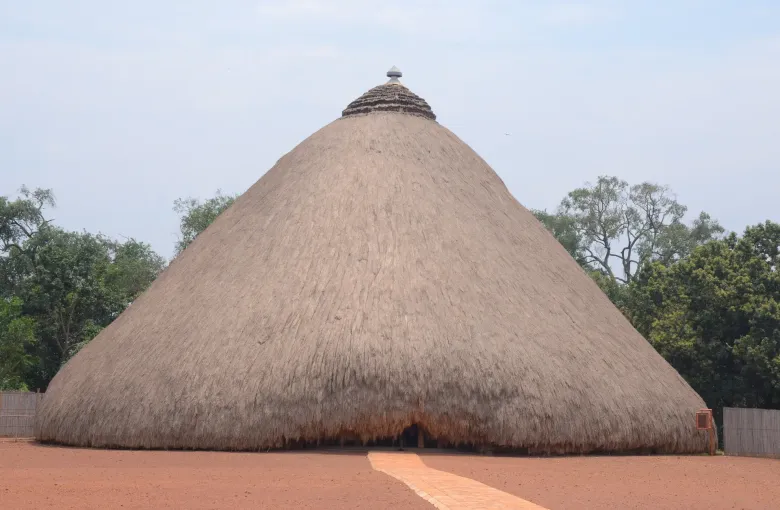
- The Kasubi Tombs and Kampala's cultural sites, which are close together and largely level.
- Lake Bunyonyi, which is the place most visitors say they wish they had given another day.
- Birding, which rewards patience and stillness more than mobility.
How we build these itineraries
Fewer places, longer stays, flights instead of the worst road days, and rooms chosen for how far they are from the dining room rather than for the view. See also Accessible Travel in Uganda.
Sources
- UK Foreign, Commonwealth & Development Office: Uganda health advice, including the status of the Ebola outbreak. Accessed 14 September 2026.
- US Centers for Disease Control and Prevention: Travelers’ Health, Uganda: vaccination guidance, malaria and yellow fever. Accessed 14 September 2026.
- UK Foreign, Commonwealth & Development Office: Uganda safety and security: terrorism, the political situation, crime, road travel and local laws. Accessed 14 September 2026.
Other Articles
Accessible Travel in Uganda
Getting Around Uganda