The quick answer
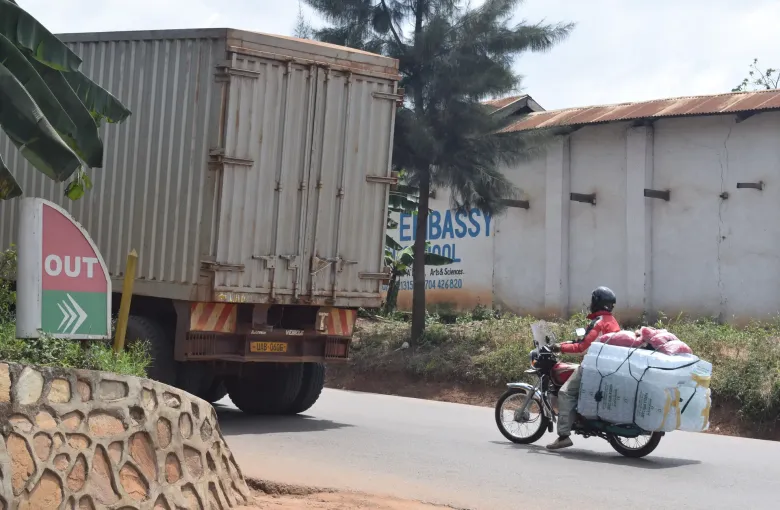
Uganda has very little accessible infrastructure in the sense the phrase is used in Europe or North America. Dropped curbs, accessible bathrooms, ramps and lifts are the exception rather than the rule, and public transport is not accessible in any meaningful way.
That does not mean a trip is impossible. It means the trip has to be designed around the constraint from the first conversation rather than adapted afterward, and it means some things are genuinely off the table.
What we will tell you plainly
A guide that implies everything can be arranged with enough money is not helping you. Some of what Uganda is famous for is not achievable for travelers with significant mobility limitations, and knowing that early is worth more than an optimistic brochure.
Gorilla trekking
Bwindi is steep, wet, trackless forest and the walk is unpredictable in length. It is physically demanding for able-bodied walkers. For most wheelchair users it is not possible.
There is a partial exception worth knowing about: sedan chair carrying, arranged in advance through the park authority and the operator, in which a team carries a visitor to the gorillas. It is used, it works, and it requires booking well ahead, a substantial additional cost and a frank conversation about your own comfort with being carried on rough ground. Ask us and we will find out what is currently available rather than guessing.
Where it is easier
- Game drives. A vehicle-based safari in the savanna parks is much more achievable, given a suitable vehicle and transfers.
- Boat trips. Launch cruises can work well with help at the jetty.
- Lodges. Several newer properties have ground-floor rooms and level access to main areas. Availability is limited and must be confirmed property by property.
- Boardwalks. Some sites have raised timber walkways through wetland and forest edge, which are the most accessible natural environments in the country.
Accommodation, and the question to ask
Do not ask whether a lodge is accessible. Ask for measurements and photographs: door widths, the number of steps between the room and the restaurant, whether the bathroom has a step or a lip, whether the path between buildings is paved or grass. "Accessible" is used loosely and generously, and a photograph settles it.
Transport
Private vehicles with a driver are the only realistic option. Vehicles with lifts are essentially unavailable, so transfers involve assisted lifting. Roads are rough, which matters more than usual if you have a spinal or pain condition. Internal flights to the west shorten very long road days and are worth the cost here more than for most travelers. See Getting Around Uganda.
Equipment and medical
- Bring everything you need, including spare parts, tubes and a repair kit. Wheelchair servicing is not readily available.
- An off-road or all-terrain chair is worth considering. Standard chairs struggle on the surfaces you will meet.
- Bring all medication in original labeled packaging with a copy of the prescription.
- Confirm that your insurance covers both your condition and medical evacuation.
Vision and hearing
Guides are used to describing what they are looking at and generally do it well. Written materials in braille or large print are effectively unavailable. Sign language interpretation is unlikely to be arrangeable locally; if you need it, bring it.
How we plan these trips
We ask detailed questions early, we verify each property individually rather than trusting a listing, and we tell you when something will not work. See also Uganda for Senior Travelers, which covers pacing and altitude.
Sources
- UK Foreign, Commonwealth & Development Office: Uganda travel advice: entry requirements, safety and security, health and local laws. Accessed 14 September 2026.
- UNESCO World Heritage Centre: the inscription of Bwindi Impenetrable National Park. Accessed 14 September 2026.
Other Articles
Uganda for Senior Travelers
Kasubi Tombs: Visitor and Heritage Guide