The short version
UNESCO inscribed Ephesus in 2015 under criteria (iii), (iv) and (vi). What you walk through is Roman, but the site's continuous settlement history begins in the seventh millennium BCE and runs to the present day at Selçuk.
The city that kept moving
This is the thing that makes Ephesus unusual and it is easy to miss on the ground. The city sat in what was once the estuary of the river Kaystros. Sedimentation pushed the shoreline steadily westward, and the city and its harbours were relocated several times in response. The Neolithic settlement at Çukuriçi Mound, which marked the southern edge of that estuary, is now well inland.
So Ephesus is not a single ruin with layers. It is a sequence of settlements chasing the sea, and the reason the great harbour street now ends in a field is that the harbour left.
Artemis
The sanctuary of the Ephesian Artemis was founded by the second millennium BCE and became one of the largest and most powerful sanctuaries of the ancient world. The goddess worshipped there was originally an Anatolian mother goddess rather than the Greek huntress the name suggests, which is the single most useful thing to know before you visit: the cult here was older than the Greek city that adopted it.
Of the temple itself almost nothing stands. That is not a disappointment to be managed, it is the point of the site's whole story about displacement and reuse.
What you will actually see
The Library of Celsus, whose two-storey facade is the image everyone arrives with, and which is worth the wait for a clear photograph. The great theatre. The terraced houses, which cost extra and are the best thing on the site: mosaic and fresco preserved at domestic scale, under cover.
Practicalities
There are two entrances and the site slopes. Walking downhill from the upper gate to the lower is much the easier direction and is what we book. There is almost no shade. Early morning is the answer in any month between May and September.
Selçuk, the modern town, is where to stay, and it puts you close enough to reach the site before the coach parties.
See Historic Istanbul and accessible travel, since this site needs planning.
Sources
- UNESCO World Heritage Centre: the inscription of Ephesus in 2015 under criteria (iii)(iv)(vi). Accessed 14 September 2026.
- UNESCO World Heritage Centre: Turkey’s State Party record: twenty-two properties inscribed on the World Heritage List. Accessed 14 September 2026.
Other Articles
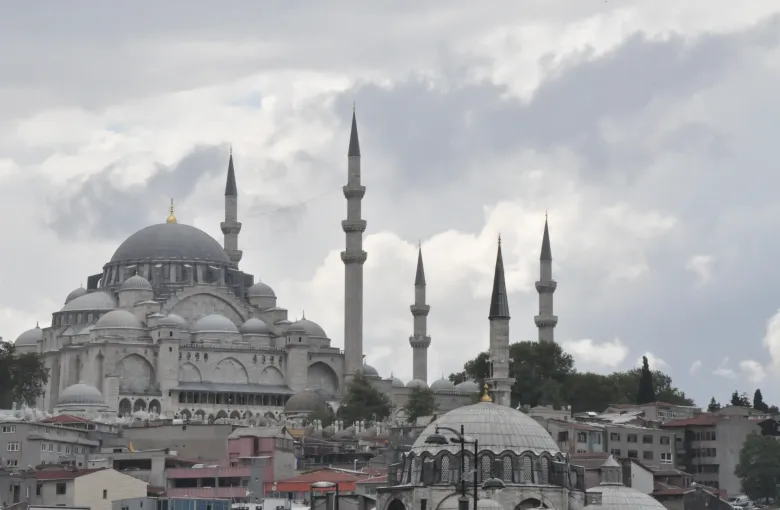
Turkey and Diaspora Reconnection
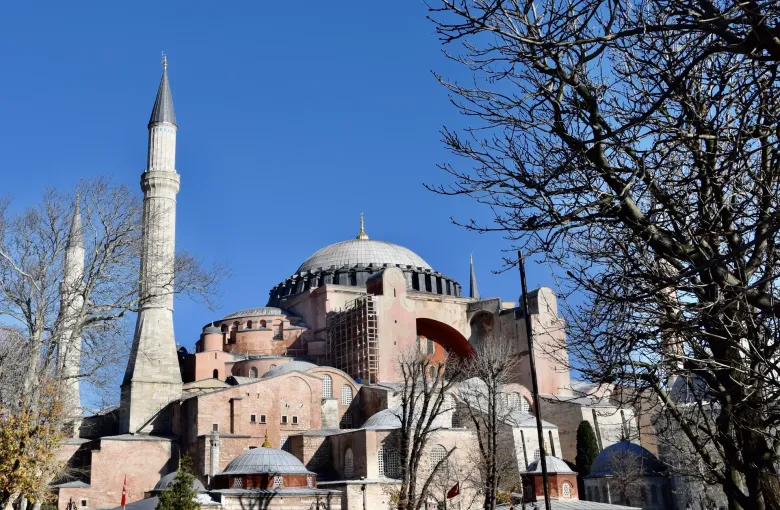
Historic Areas of Istanbul: Visitor and Heritage Guide