The short version
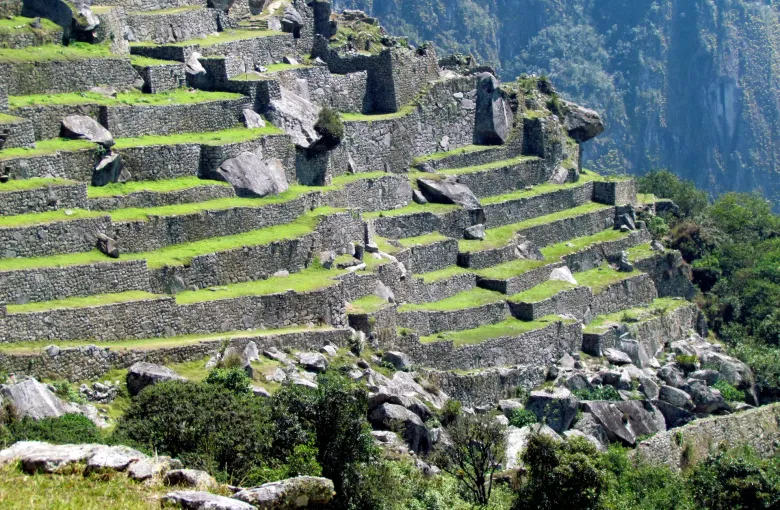
The rainy season runs from November to May, with heavy rain and snow in northern Peru and the Andes including Cusco. The coast barely participates in any of it. The Amazon does not have a dry season so much as a lower one.
Why the coast is a desert
A cold current runs north along the Peruvian coast. Cold water does not readily give up moisture to the air above it, so the air arriving over the land is cool and stable rather than wet, and the Andes block anything coming the other way. The result is one of the driest coastlines on earth, with cities like Nazca and Ica sitting in genuine desert.
What the coast gets instead of rain is the garua: a persistent low gray cloud, roughly May through November, that dampens without raining and rarely lifts. Lima under garua is cool, gray and humid. Visitors who have packed for a South American summer find it baffling, and it is the most common packing mistake for a Peru trip.
The highlands
Altitude, not latitude, sets the temperature. Cusco at 3,400 meters has a large daily swing: pleasant in the sun, cold as soon as it goes. In the dry months a clear night can drop close to freezing while the afternoon was comfortable in a shirt. Layers are not optional.
The sun at that altitude is strong in a way that does not correspond to how warm it feels. Sunburn at 3,400 meters on a cool day is routine. High factor sunscreen, a brimmed hat and sunglasses matter more here than on the coast.
In the wet season rain tends to arrive in the afternoon rather than lasting all day, which is why a wet season morning start is worth more than it sounds. The landscape is green, the crowds are thinner and the light is better between showers.
What the wet season actually closes
Rockslides, mudslides and snow disrupt walking routes, roads and railways across the Cusco region, on the routes to Machu Picchu including the Santa Maria and Santa Teresa approach and the Salkantay route, on the road to Manu in Cusco and Madre de Dios, and across the northern regions. That is the concrete cost of traveling between November and May, and it is a schedule risk more than a comfort one.
The Amazon
Hot and humid throughout, typically in the high twenties to low thirties Celsius, with rain possible on any day of any month. The meaningful distinction is water level, described in our guide to the best time to visit. Humidity, not temperature, is what makes it tiring, and clothing that dries overnight is worth more than clothing that is thin.
Natural hazards worth knowing about
Peru is in an earthquake zone and tremors are frequent. Ubinas, the country's most active volcano, has been emitting gas and ash, and local evacuations have followed. Higher tides can follow an earthquake. None of these should change whether you go; they are a reason to know the emergency procedure at your accommodation.
Packing implications in one place
- Layers for the highlands, including something genuinely warm for the evening and for an early start.
- Rain protection between November and May, and a dry bag for a camera.
- Serious sun protection at altitude, regardless of the temperature.
- Quick drying clothing for the Amazon, and insect repellent.
- Something warmer than you expect for Lima outside the southern summer.
The full list, including the altitude items, is in our Peru packing list.
Verify before you travel
Seasonal patterns shift and a given year can run wet or dry. Check current conditions with your operator before a trip that depends on one mountain road.
Sources
- UK Foreign, Commonwealth & Development Office: Peru safety and security: protests and strikes and their effect on the southern railways, street crime in Lima, Cusco and Arequipa, robbery by criminals posing as taxi drivers at Jorge Chavez airport and the bus terminals, express kidnapping, counterfeit notes and the withdrawn intis passed by street changers in Cusco, methanol in spirit drinks, the requirement to carry identification, the prohibition on photographing military sites, the illegality of carrying coca leaf out of the country, driving and overnight bus standards, the rainy season from November to May, and the earthquake and volcanic risk. Accessed 16 September 2026.
- UK Foreign, Commonwealth & Development Office: Peru health: the ambulance number 106, the eight week lead time before travel, altitude sickness named as a serious risk in Cusco, Puno, the Colca Canyon and Kuelap, the dengue outbreak following floods, and the difficulty of accessing medical treatment outside Lima. Accessed 16 September 2026.
Other Articles
Best Time to Visit Peru
Peru Packing List