The short version
May to October. Dry, reliable, and the sea at its best. If you can only go once and want the trip to go to plan, go then.
What the dry season buys
Predictability, mostly. Roads behave. Boat transfers to the islands run. Visibility in the water is at its best late in the window. Nights are cooler, which makes the far south pleasant rather than merely hot.
You pay for it in price and in company. August to October is the busy end, and the places most worth staying in are small enough that they sell out a long way ahead.
What the wet season costs, honestly
From November to April it is hotter, much more humid, and wet, and the coast sits inside the tropical cyclone season. Lodges drop their rates for a reason.
The green landscape is genuinely beautiful and the light is better than in the dry months. But an unsurfaced road can close, a ferry can be canceled by a system a long way offshore, and some places shut entirely for part of it. This is a fine time to travel if your plans are loose and your insurance is good. It is a poor time to travel on a fixed two-week schedule with tight connections.
The shoulders, which are underrated
April and November sit either side of the reliable window. April has the greenness of the wet season with the rain easing; November is warming up with the first storms arriving. Both are cheaper than the peak, quieter, and more likely to disappoint than the middle of the dry season. Whether that trade is worth it depends entirely on how much of your itinerary has to happen on a particular day.
The rule that matters more than the season
Whatever month you choose, build a spare day in before your international flight home. On a coast with island transfers and short domestic hops, the thing most likely to go wrong is not the weather where you are but the weather somewhere along the route. A day of slack turns a missed connection into an inconvenience.
The same logic applies to protest disruption. The State Department notes that unplanned protests remain possible throughout the country and can temporarily block major roads, including border crossings. That is not seasonal and no month avoids it.
Where you are going changes the answer
- The Bazaruto Archipelago and the Inhambane coast. Dry season, and later in it for the clearest water.
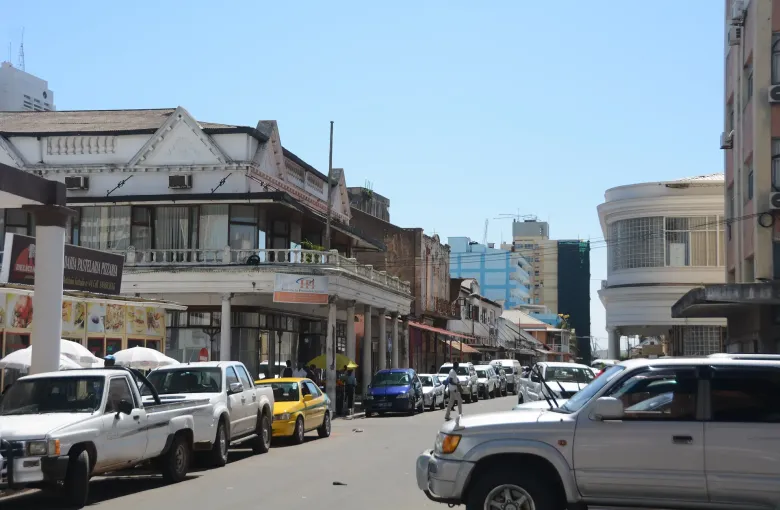
- Maputo. Works year round. Winter, from June to August, is the most comfortable for walking a city.
- Maputo National Park. Dry season for access and for wildlife around water.
- The Island of Mozambique. Dry season, both for the sea crossing and because walking a stone town in full humidity is hard work.
One thing the calendar cannot fix
No month changes the travel advisories. Cabo Delgado, which holds Pemba and the Quirimbas Archipelago, is a place both the UK and the US currently restrict: the FCDO advises against all travel to most of the province and the State Department lists it as Do Not Travel. If a seasonal guide anywhere recommends the Quirimbas as a dry-season highlight without saying that, it is out of date. Plan around the south and the central coast instead, which are not restricted and are not a consolation prize.
Sources
- UK Foreign, Commonwealth & Development Office: Mozambique travel advice and the areas it advises against traveling to. Accessed 14 September 2026.
- UK Foreign, Commonwealth & Development Office: Mozambique regional risks, province by province. Accessed 14 September 2026.
- US Department of State: the Mozambique travel advisory, currently Level 2, Exercise Increased Caution, with Do Not Travel areas in the north. Accessed 14 September 2026.
Other Articles
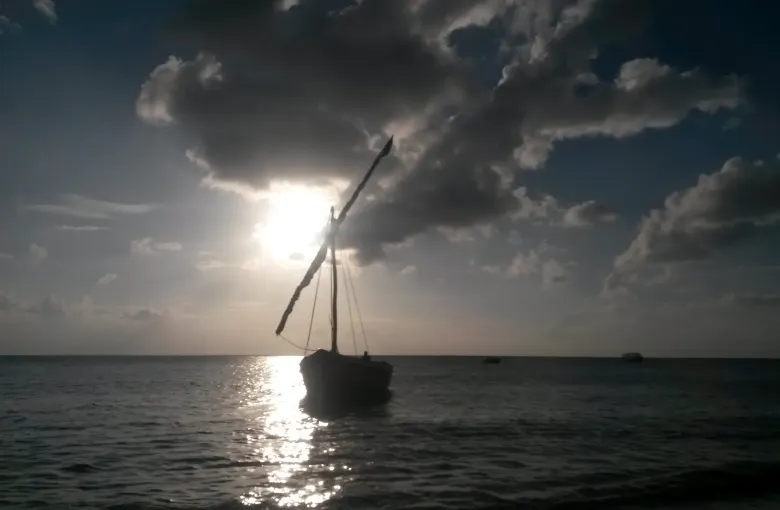
Mozambique Weather Guide
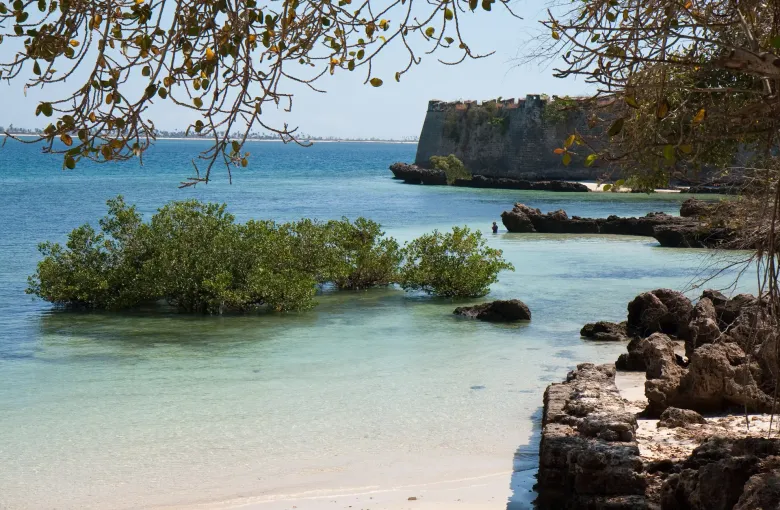
Island of Mozambique: Visitor and Heritage Guide