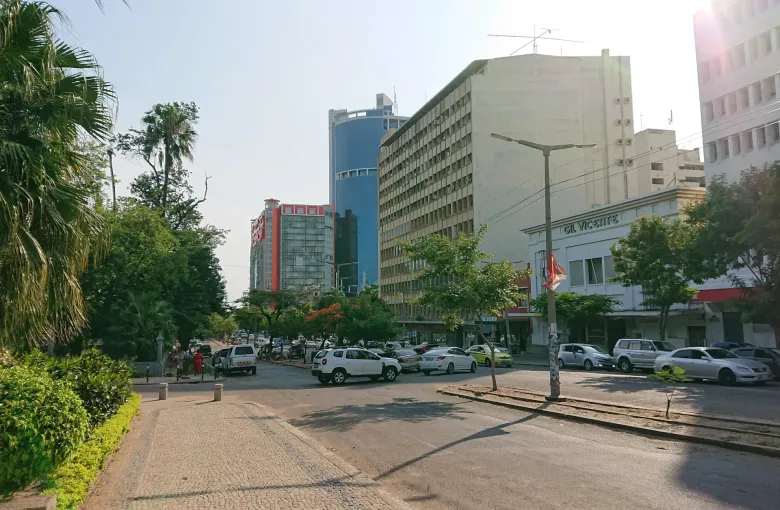
The short version
Two seasons. A hot, humid, wet season from around November to April, and a drier, cooler season from around May to October. Most visitors want the second.
The country is long, and that matters
Mozambique runs a very long way north to south along the Indian Ocean. Maputo, in the far south, sits at the subtropical end and has a genuinely cooler winter. The far north is closer to the equator and stays warm year round. The same calendar month is not the same experience at both ends, and an itinerary that moves between them should expect to repack rather than to acclimatize.
The dry season, May to October
This is the straightforward half of the year. Lower humidity, reliable sun, cooler nights, and in the far south a winter that can genuinely want a jacket after dark. Roads are more dependable because they are not being washed out. It is also the busier and more expensive half, for exactly those reasons.
The sea is at its calmest and clearest later in this window, which is what makes the Bazaruto Archipelago and the Inhambane coast a dry-season proposition for most people.
The wet season, November to April
Heat and humidity rise, and rain arrives as heavy afternoon downpours rather than as all-day drizzle. The landscape is green, the light after a storm is extraordinary, and prices fall.
The costs are real though. Unsurfaced roads can become impassable, a flight or a ferry can be canceled by weather that is nowhere near you, and some smaller lodges close for part of it. If you travel in these months, build slack into the itinerary rather than treating every connection as firm.
Cyclones
Mozambique's coast is exposed to tropical cyclones, and the season falls inside the wet months. This is a planning fact rather than a reason not to go: systems are forecast days ahead, and the practical consequences for a traveler are usually disruption rather than danger.
What it should change about your planning is concrete. Take travel insurance that covers weather disruption and read what it actually covers. Do not schedule a same-day connection between a domestic flight and an international one in February. Keep an eye on forecasts in the week before you fly, and be willing to move.
The FCDO publishes regional and weather-related advice for Mozambique and updates it; check it close to departure rather than relying on a seasonal summary, including this one.
Rain is also a health variable
Two of Mozambique's health risks track the weather. Mosquito numbers rise with standing water after rain, and the CDC recommends prescription medicine to prevent malaria for travel anywhere in Mozambique at any time of year. The FCDO also records a cholera outbreak in central and northern areas, and waterborne disease risk is generally higher in the wet season. Neither is a reason to avoid the country. Both are reasons to see a travel clinic well before you go.
What to expect month by month, in broad terms
- May to July. Dry, cooler, comfortable. The far south can be cool at night.
- August to October. Dry, warming, the clearest sea. Peak conditions and peak prices.
- November to December. Heat and humidity building, first rains, still workable with flexibility.
- January to March. The wettest and most cyclone-exposed window. Cheapest, and the one that most rewards a loose itinerary.
- April. Rain easing, landscape still green. An underrated shoulder month.
These are patterns rather than promises. A season can run early or late, and a single week can contradict all of it.
Sources
- UK Foreign, Commonwealth & Development Office: Mozambique travel advice and the areas it advises against traveling to. Accessed 14 September 2026.
- UK Foreign, Commonwealth & Development Office: Mozambique health advice, including the cholera outbreak, the emergency numbers and the standard of healthcare. Accessed 14 September 2026.
- US Department of State: the Mozambique travel advisory, currently Level 2, Exercise Increased Caution, with Do Not Travel areas in the north. Accessed 14 September 2026.
Other Articles
Best Time to Visit Mozambique
Mozambique Packing List