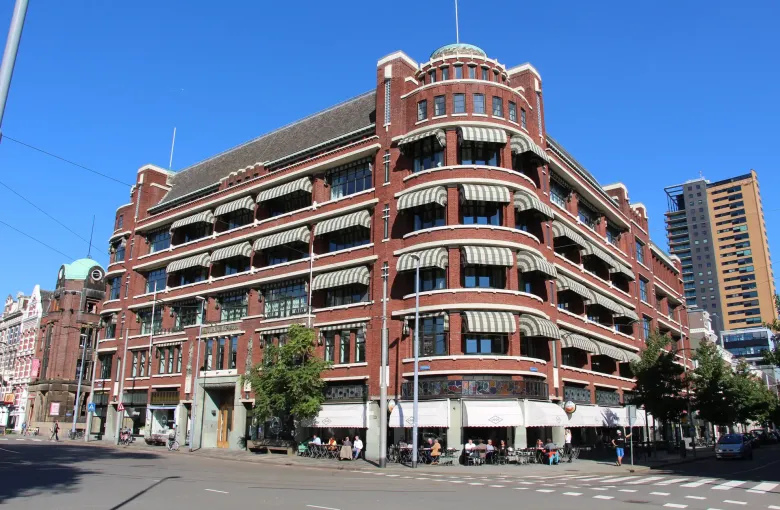
The short version
A waterproof shell, layers under it, shoes that handle brick and cobble, a debit card as well as a credit card, and your passport on you rather than in the room. Four items, and each of them is answering something specific about this country rather than general travel advice.
⚠ Documents, and the one rule that is not optional
Anyone aged 14 or over must always be able to show identification in the Netherlands, and for a visitor that document is the passport. The fines are on the record: 100 euros at sixteen and over, 50 euros at fourteen and fifteen. So the passport is not a safe deposit item on this trip, it is a pocket item.
That produces a small packing decision worth making before you go. Something to carry the passport on your person in a way you will not resent for two weeks: an inside jacket pocket, a zipped crossbody, a money belt if you like them. Then photograph the data page and keep the image on your phone, because a photograph satisfies nobody official but it makes a lost passport very much easier to replace.
Two document checks before you leave, both from the entry page: the passport's date of issue must be less than 10 years before you arrive, and its expiry date must be at least 3 months after you leave the Schengen area. The first is the one people fail, and it is the one you will not notice.
Clothing, for wind rather than for cold
The Netherlands is a maritime country with no shelter, so the variable is not temperature, it is wind and frequent rain. Pack accordingly:
- A genuine waterproof and windproof shell. Not a fashion coat. Rain here arrives sideways.
- Layers you can add and shed, because one day can contain a bright cold morning, a warm afternoon and a shower.
- An umbrella is close to useless in Dutch wind, and locals mostly do not use one. A hood is better.
- Something warm for evenings in every season including summer, especially near the coast or on the islands.
Shoes, which matter more here than the weather does
Dutch cities are walked on brick and cobble, often uneven, frequently wet. Pack shoes with grip and support, and be honest about how many kilometers you will walk. Wet cobbles are slippery, and they sit next to canals with no railing.
If you plan to ride, ordinary trainers are fine. If you plan to walk the Wadden flats with a guide, that activity has its own footwear requirements and the guide sets them, so ask rather than guess.
Money and electronics
Bring a debit card as well as a credit card. Many Dutch businesses take debit and not credit, which is the single most common payment surprise here and is covered fully in our money guide. Keep a modest amount of cash for markets and small cafés.
The Netherlands uses the standard continental European two pin plug and 230 volt supply, so pack the same adapter you would take to Germany, France or Austria. A power bank earns its space on a long day out, particularly in winter when you will use the phone for maps in the dark.
Health items
Bring what you normally take, in its original packaging, with a copy of the prescription. The legal status and regulation of some medicines can differ from country to country, so if you take anything unusual, check before you travel rather than at the border.
The health risks the advisory names for the Netherlands are biting insects and ticks, which is a dunes, woodland and cycle path risk rather than a city one. Insect repellent and long trousers for a day outdoors are the whole of that precaution. And at least eight weeks before the trip, check the current vaccine recommendations.
What not to bother with
- No tropical disease precautions. This is northern Europe, and the only health risks the advisory names are biting insects and ticks.
- No currency to source in advance. The euro is freely available and a bank machine on arrival is the cheapest way to get it.
- No bicycle. Hire is universal, cheap and better suited to the streets than anything you would bring.
- No meat or dairy in your bag. You cannot bring meat, milk or products containing them into EU countries, with narrow exceptions for baby and medical foods.
Verify Before You Travel
- The UK Foreign, Commonwealth & Development Office Netherlands entry requirements page, for the passport tests and the food restrictions.
- The UK Foreign, Commonwealth & Development Office Netherlands safety and security page, for the identification requirement and its fines.
- The UK Foreign, Commonwealth & Development Office Netherlands health page, for the medication guidance and the vaccination window.
Sources
- UK Foreign, Commonwealth & Development Office: Netherlands travel advice, including the standing pointer to separate advice for the Dutch Caribbean. Accessed 16 September 2026.
- UK Foreign, Commonwealth & Development Office: Netherlands safety and security: the terrorism assessment, the identification requirement from age fourteen, the drug laws, the fake police warning, the canal fines and the road rules. Accessed 16 September 2026.
- UK Foreign, Commonwealth & Development Office: Netherlands entry requirements: Schengen area rules, the two passport tests, the Entry/Exit System, the food restrictions and the 10,000 euro cash declaration. Accessed 16 September 2026.
- UK Foreign, Commonwealth & Development Office: Netherlands health: the emergency medical number, the eight week vaccination window and the biting insects and ticks. Accessed 16 September 2026.
Other Articles
Netherlands Weather Guide
Getting Around the Netherlands