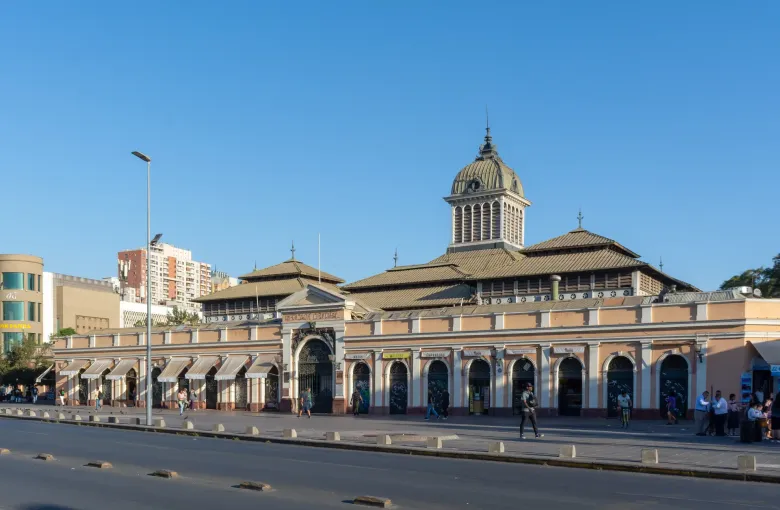
Chilean food is often described as understated, which is a polite way of saying it does not announce itself. Give it a few days and the logic appears: an enormous cold ocean on one side, a Mediterranean growing region behind it, and a national habit of not doing too much to either.
The sea, which is the main event
The Humboldt current runs cold along this coast and cold water makes better shellfish. The seafood here is the reason many visitors remember the food at all.
- Ceviche. Chilean ceviche is typically milder than the Peruvian version and often uses reineta or corvina. It is a different dish rather than a lesser one.
- Machas a la parmesana. Razor clams baked with cheese. It sounds wrong and is excellent.
- Congrio. Conger eel, usually fried or in caldillo, a broth Pablo Neruda wrote an ode to. Firm, mild, nothing like what the name suggests.
- Erizos. Sea urchin, for the adventurous, and genuinely a specialty here.
- Curanto. The Chiloe dish: shellfish, meat and potatoes cooked in a pit over hot stones under leaves. Slow, communal and worth arranging.
Eat it where it lands. The port markets are the right setting, and UNESCO's own description of Valparaiso names the Port Market among the buildings that define the inscribed quarter, alongside the commercial establishments and active street trade around Echaurren Square and Serrano Street. That is not incidental to the food: the market is part of why the city is recognized at all. The Valparaiso guide covers the quarter.
The everyday table
- Pastel de choclo. A corn topped pie over meat, olives and egg. The national comfort dish, at its best in the summer when the corn is fresh.
- Empanada de pino. Beef, onion, olive and a hard boiled egg. Baked rather than fried, and larger than most empanadas elsewhere.
- Cazuela. A clear, restorative broth with a piece of meat, a potato and a wedge of pumpkin. What a Chilean household eats when the weather turns.
- Completo. A hot dog under mashed avocado, tomato and a great deal of mayonnaise. Chile takes it seriously and so should you.
- Chorrillana. Fries under beef, onion and fried egg, shared, late.
Regional differences worth planning around
The north. Andean ingredients come down to the coast here: quinoa, corn varieties you will not see further south, llama meat on some menus. The altiplano influence is real and the food is noticeably different from Santiago's.
The central valley. This is the agricultural heart, so it is the produce, the beef and the wine. Harvest in the fall is the best time to eat here.
The south and Chiloe. Potatoes in a hundred varieties, smoked and cured things, milcao and chapaleles, and curanto. Chiloe has its own food culture and treats it as identity rather than menu.
Patagonia. Lamb, slow roasted over an open fire, often for hours. Plan an evening around it rather than fitting it between things.
Drinking
Chile's wine needs little introduction, but the interesting drinking is in the valleys rather than the supermarket: Maipo and Colchagua for reds, Casablanca for whites, Itata and Maule for older vines and smaller producers. A tasting day out of Santiago is easy to arrange.
Pisco sour is the national aperitif, and the question of whose pisco is better than whose is a conversation you will not settle. Terremoto, sweet wine with pineapple ice cream, is a Fiestas Patrias institution and considerably stronger than it tastes.
Non alcoholic: mote con huesillo, wheat and dried peach in syrup, sold from carts in summer and better than that description makes it sound.
Mealtimes
Lunch is the main meal and runs long, roughly one to three. Once, in the late afternoon, is tea with bread, avocado and cheese, and it often replaces dinner in a household. Restaurant dinner starts late by North American habits, from about eight, and later on weekends. The menu del dia at lunch is the best value in the country.
Practical points
- Tap water is generally safe in cities. In the far north it can be very mineral heavy and unpleasant rather than unsafe; bottled is easy.
- Vegetarians do fine in cities and less well in rural Patagonia. Say soy vegetariano or soy vegetariana and expect to be offered fish.
- Declare any food you are carrying at the border. Chile has strict rules about what comes in, and the entry requirements guide covers them.
- Bring any prescription medication in its original labeled packaging; the rules on what is legal differ from country to country.
Sources
- UNESCO World Heritage Centre: Historic Quarter of the Seaport City of Valparaiso, inscribed 2003 under criterion (iii), a property of 23.2 hectares with a buffer zone of 44.5 hectares. Accessed 16 September 2026.
- UK Foreign, Commonwealth & Development Office: Chile health: the emergency ambulance number 131, the eight week lead time for vaccine advice, altitude sickness as a risk in parts of Chile, confirmed cases of dengue fever on Rapa Nui, and hantavirus as present in Chile. Accessed 16 September 2026.
Other Articles
Chilean Culture and Etiquette
Festivals and Events in Chile