The short version
November to June if you want the surest weather. August to October if you want to see the islands green and do not mind a shower. There is no month that does not work.
Why this question is different here
Most destinations in this program have a season you plan around: a monsoon, a cyclone window, a dry season that decides whether a road is passable. Cape Verde does not really have one. Temperatures vary little across the year, the rain is modest even at its peak, and nothing closes for a season.
So the useful question is not "when is it good" but "what do you want it to be like". Three answers cover almost everyone.
If you want beach and water sports
The trade wind is strongest from roughly November to March, which is exactly why the windsurfing and kitesurfing crowd comes then. If that is your trip, that is your window. If you want a still beach to read on, the same months are the ones that will feel breezy, and the sheltered side of an island matters more than the month.
If you want to walk
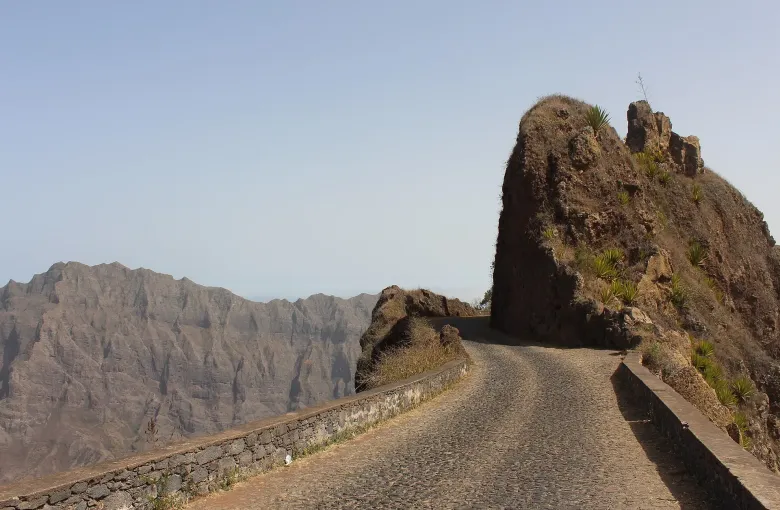
The mountain islands are at their most rewarding when the valleys have water in them, which means the weeks after the rains: roughly September to November. Terraces are planted, the green is real rather than a memory, and the walking is cooler than midsummer. Santo Antão is the obvious destination and the cobbled mountain road is part of the experience.
If you want the cultural calendar
Carnival falls in February, which is also inside the dry, windy window, and it is the single biggest thing in the Cape Verdean year. The music season runs all year because the music is not seasonal here. See festivals and celebrations.
What the quiet months cost
Almost nothing, which is unusual. The main trade-off in the rainy weeks is that an unsurfaced mountain road can wash out and an inter-island ferry can be canceled by swell. Neither is common and neither closes the country. Build one spare day before an international flight home and the risk is largely gone.
The other thing the wet window brings is mosquitoes, and with them dengue. The government has raised the civil protection warning level for dengue on Santiago, Fogo and Brava. That is a reason to pack repellent, not a reason to change the month.
Dust, briefly
Between December and February the harmattan can put Saharan dust over the islands. It softens the light, cuts visibility and occasionally delays a small inter-island flight. See the weather guide.
Sources
- UK Foreign, Commonwealth & Development Office: Cape Verde health: shigella, salmonella and dengue, and the civil protection warning level for dengue on Santiago, Fogo and Brava. Accessed 14 September 2026.
- UK Foreign, Commonwealth & Development Office: Cape Verde travel advice: the FCDO restricts no part of the country, and Global Health Insurance Cards are not accepted. Accessed 14 September 2026.
- UK Foreign, Commonwealth & Development Office: Cape Verde safety and security: snatching, burglary and muggings, named for Praia and for Sal and Boa Vista. Accessed 14 September 2026.
Other Articles
Cape Verde Weather Guide
Cidade Velha: Visitor and Heritage Guide