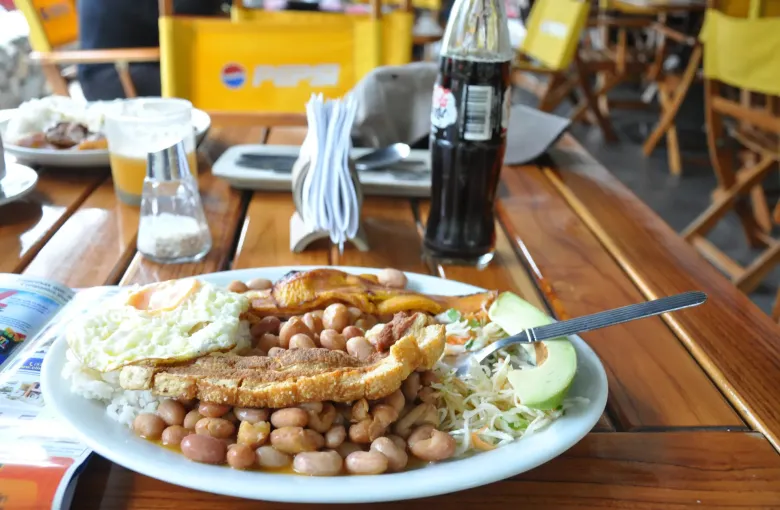
Colombia has a reputation for warmth that it earns within about an hour of arrival. What surprises people is that the warmth sits alongside real formality: titles, courtesies, and an attention to how things are said. Both are genuine and they are not in tension.
Greetings
- A handshake on first meeting, with eye contact. One kiss on the right cheek between women, and between a woman and a man, once you are acquainted.
- Use titles. Senor, Senora, and professional titles (doctor, ingeniero, arquitecto) are used more here than in most of the region, and used sincerely rather than ironically.
- Usted with anyone older, senior or serving you. In parts of the country, notably Antioquia, people use usted even with close friends and family, so do not read it as distance.
- Greet on entering a shop, a lift or a waiting room. Buenos dias costs nothing and its absence is noticed.
- Expect to be asked how you are and expect the question to be meant.
Regional character, which Colombians discuss constantly
Regional identity is strong and is a national pastime. Paisas from Antioquia have a reputation for enterprise and talk; costenos from the Caribbean coast for volume, humor and a looser relationship with the clock; rolos or cachacos from Bogota for formality and indirectness; vallunos from Cali for dancing. These are affectionate stereotypes that Colombians deploy about each other, and a visitor is better off asking about them than repeating them.
Hospitality
- An invitation to a home is a real compliment. Take something: wine, a dessert, flowers, or something for the children.
- Expect to be fed more than you intended and to be offered more again.
- Meals are unhurried. Leaving straight after eating reads as rude.
- A guest is rarely allowed to pay. Offer once, accept gracefully, and reciprocate later.
Time
Social punctuality is elastic; professional punctuality is not. For a dinner invitation, arrive half an hour after the stated time. For a meeting, a tour departure or a flight, be on time. The distinction is understood by everybody and only visitors get it the wrong way round.
Dancing, which is not optional in the way you think
Salsa in Cali, vallenato on the coast, cumbia everywhere. You will be invited to dance and the polite answer is yes, badly, cheerfully. Nobody minds that you cannot; they mind that you would not try. An hour of lessons on your first day in Cali pays for itself.
⚠ The subject to leave alone
Do not open a conversation about drugs, cartels, or a certain television series. Colombians are extremely tired of it, and for many families the period it dramatizes is bereavement rather than entertainment. If a Colombian raises the country's recent history, listen; if they do not, it is not a visitor's subject to introduce.
The related courtesy: the country has changed enormously and is proud of it. A comment implying surprise that Colombia is pleasant lands worse than you might think. So does complimenting the country by comparing it favorably with what you expected.
Other small things
- Colombians dress well and neatly. Beachwear is for the beach.
- No dar papaya, roughly do not give someone an easy opportunity, is a phrase you will hear often. It is practical advice rather than a comment on you, and the safety guide is the long version of it.
- Ask before photographing people, particularly in Indigenous and Afro-Colombian communities, and accept a no.
- Bargaining is normal in markets and not in shops. Do it lightly; hard haggling over small amounts reads badly.
- Learning ten words of Spanish will change your trip. English is not widely spoken outside tourist businesses in the big cities.
The heritage and reconnection guide covers the courtesies specific to visiting Afro-Colombian and Indigenous communities, which are worth reading before you go rather than after.
Sources
- UK Foreign, Commonwealth & Development Office: Colombia safety and security: scopolamine and other drugs used to subdue victims through food, drinks, cigarettes, aerosols and paper flyers, the use of dating applications to select foreign nationals traveling alone, express kidnappings by criminals often posing as taxi drivers and often working from around ATMs at night, and the advice to avoid protests, strikes and demonstrations. Accessed 17 September 2026.
- UNESCO World Heritage Centre: Port, Fortresses and Group of Monuments, Cartagena, inscribed 1984 under criteria (iv) and (vi), recording the most extensive fortifications in South America and a city divided into the three quarters of San Pedro, San Diego and Gethsemani. Accessed 17 September 2026.
Other Articles
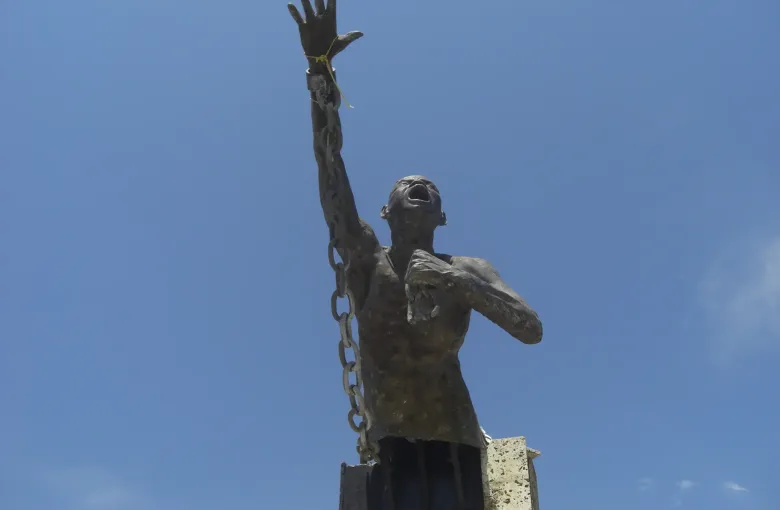
Heritage and Reconnection in Colombia
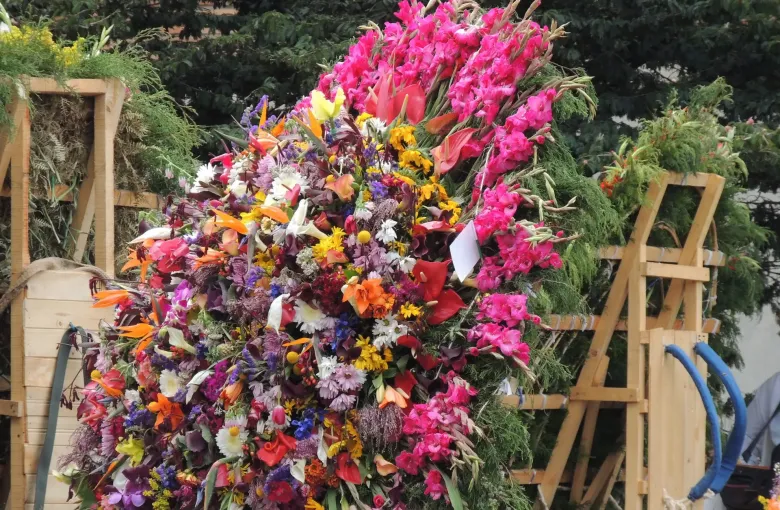
Festivals and Events in Colombia