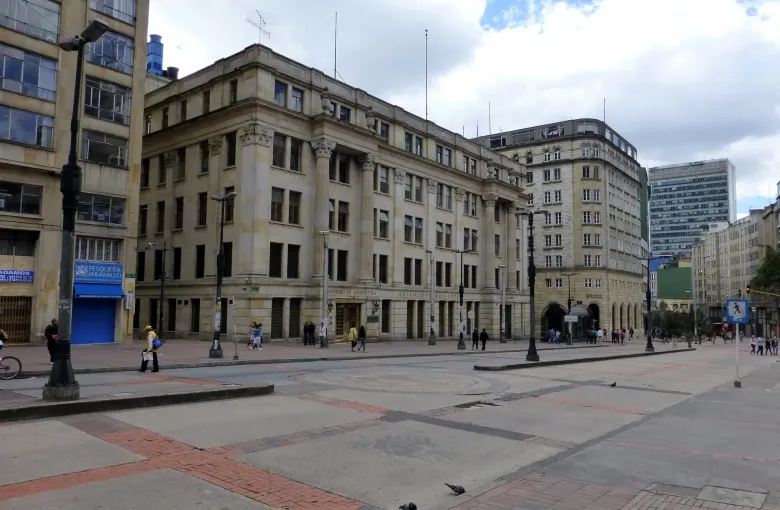
Packing for Colombia goes wrong in one predictable way: people pack for the equator. The equator is where the country sits and it is not what the country feels like, because altitude rather than latitude sets the temperature. A single itinerary can put you in humid heat at breakfast and a cold Andean evening at dinner.
Layers, and the one people leave behind
- Base. Light, breathable, quick drying. You will be warm and damp on the coast and you do not want cotton holding either.
- Mid. A fleece or light sweater. This is the item people skip and then buy in Bogota on the first evening. The high Andes are cool in every month and cold after dark.
- Shell. A light waterproof with a hood. Andean rain is an intense afternoon rather than a drizzle, and an umbrella is no use in it.
- One outfit you would be comfortable eating dinner in. Colombians dress well and cities notice it.
Shoes matter more than usual: cobbled colonial streets in Cartagena, Villa de Leyva and the coffee towns are uneven and worn smooth. Bring something with a real sole, and see the senior travelers guide, which treats those surfaces as the specific problem they are.
For the lowlands
- Insect repellent, and use it. The cited health source lists yellow fever, Zika, malaria, dengue and chikungunya among the risks you may face, and the mosquito borne ones have no vaccine most travelers will be carrying. Long sleeves at dusk are worth more than any spray.
- Light long trousers for evenings, which handle both insects and air conditioning.
- A dry bag for boats and the Pacific or Amazon legs.
For the highlands
- Serious sun protection. Equatorial sun at two and a half thousand meters burns far faster than the temperature suggests, and this is the most common minor injury visitors give themselves.
- Lip balm and a moisturizer; the high air is dry.
- A warm hat if the paramo is on the itinerary.
Water and stomachs
Tap water is safe to drink only in Bogota. Everywhere else the cited source says to drink bottled water and avoid ice in drinks, so bring a bottle you are happy refilling from sealed water, and a filter if you would rather not buy plastic every day.
Documents
- Passport, plus a photocopy or a photograph kept separately.
- Your onward or return ticket, retrievable offline. The cited entry rule requires that you be able to show one valid within the ninety day period, and airlines check.
- Your yellow fever certificate if you have one. The two sources this cluster cites disagree about when it is demanded, so carrying it is the cheap side of the bet. The entry requirements guide explains why.
- Travel insurance documents covering treatment and evacuation, with the policy number somewhere you can reach it without a signal.
Medication
Bring prescription medication in its original labeled packaging with a copy of the prescription, and check the legal status of anything unusual before you travel rather than at the border. This page publishes no medication and no dose; what you take, if anything, is a conversation with your own clinician several weeks before departure.
What to leave at home
Expensive jewelry, an obvious watch, and the habit of carrying everything at once. The cited advisory is specific that displaying valuables raises your risk, and the safety guide explains the rest. One card and a little cash in your pocket, the remainder in the hotel safe, is the whole technique.
Also leave room. Colombian coffee, hammocks, mochilas woven by Wayuu and Arhuaco makers, and Boyaca ceramics all travel well and all take space.
Sources
- UK Foreign, Commonwealth & Development Office: Colombia health: the emergency ambulance number 123, the eight week lead time for vaccine advice, altitude sickness as a risk in parts of Colombia including Bogota and areas of Cundinamarca, Boyaca, Narino and Antioquia, tap water as safe to drink only in Bogota, and private facilities as good while public ones and those in smaller cities are generally ill equipped. Accessed 17 September 2026.
- UK Foreign, Commonwealth & Development Office: Colombia entry requirements: ninety days without a visa for tourism at the discretion of the immigration officer, the requirement to show an onward or return ticket valid within that period, the yellow fever certificate required when arriving from countries with a transmission risk, the tourist card bought at the boarding gate for San Andres, Providencia and Santa Catalina, and the rule that dual nationals enter and leave on the Colombian passport. Accessed 17 September 2026.
- Centers for Disease Control and Prevention: Colombia traveler health: malaria transmission in all areas below 1,700 m with no transmission in the cities of Bogota, Cartagena or Medellin; the yellow fever vaccine recommended for travelers aged nine months and over except for travel limited to Barranquilla, Cali, Cartagena or Medellin, above 2,300 m, the archipelago of San Andres and Providencia, or Bogota; and the country entry requirement recorded as vaccination for all arriving travelers aged one year and over, subject to change. Accessed 17 September 2026.
Other Articles

Colombia Weather Guide
Getting Around Colombia