The quick answer
The UAE suits older travelers very well: excellent healthcare, high standards of accessibility, short flights from Europe, no altitude, no difficult food or water, and a great deal to do in comfort. Come between November and March and it is close to effortless. Come in July and it is an indoor trip.
The season, which decides everything
Heat is the one genuine risk and it affects older travelers disproportionately. In the cool months these are pleasant cities to walk in the evening and easy ones by day. In summer the sensible itinerary is indoors between mid-morning and sunset, and an itinerary that ignores that will be exhausting.
Pacing
- One significant thing a day. The Louvre alone is a half day; the Grand Mosque another.
- Build the middle of the day as rest time. It is culturally normal here.
- Distances are longer than they look, in both cities and especially in Abu Dhabi. Do not plan to walk between landmarks.
- Three or four days in each city, or a base in one with a day trip, beats a rushed loop.
- The UAE works very well as a stopover or a winter sun break.
Getting around comfortably
The Dubai Metro is cool, step free and cheap. Taxis are inexpensive and remove the walk at both ends. In Abu Dhabi, plan for taxis or a car with a driver. Hotel-to-attraction transfers are widely available and worth the money on a hot day.
Hydration and heat
Drink far more than at home and start before you are thirsty; air conditioning dehydrates too. Headache, dizziness or unusual tiredness are reasons to get cool immediately rather than press on. Anyone with a heart or respiratory condition should be deliberate about this and carry medication rather than leaving it in the room. Carry a light layer, because the air conditioning is fierce and is a common cause of stiffness and chills.
Healthcare and medication
Healthcare is excellent, modern and English speaking, with high-quality private hospitals in both cities and pharmacies everywhere.
- Travel insurance is necessary: treatment is not free for visitors and is expensive.
- ⚠ Check your medication against the UAE controlled list before you travel. A number of ordinary prescriptions are controlled here, some require prior approval, and travelers have been detained over them. This matters most to exactly the people reading this page. Original packaging, prescription copy, approval where required. The entry guide covers it fully.
- Carry a written summary of conditions, medication and allergies.
- If you use oxygen or mobility equipment, tell the airline and the hotel at booking.
Comfort and courtesy
Age is genuinely respected here and older visitors are treated with a deference that is sincere. Expect to be offered seats and helped with bags. Dress modestly as everyone should, which also means sun protection.
Activities that suit a slower trip
- The Louvre Abu Dhabi and the museums, seated, cooled and unhurried.
- Sheikh Zayed Grand Mosque, which has an accessible route and is extraordinary.
- A creek cruise or an abra crossing, which is a step and then nothing.
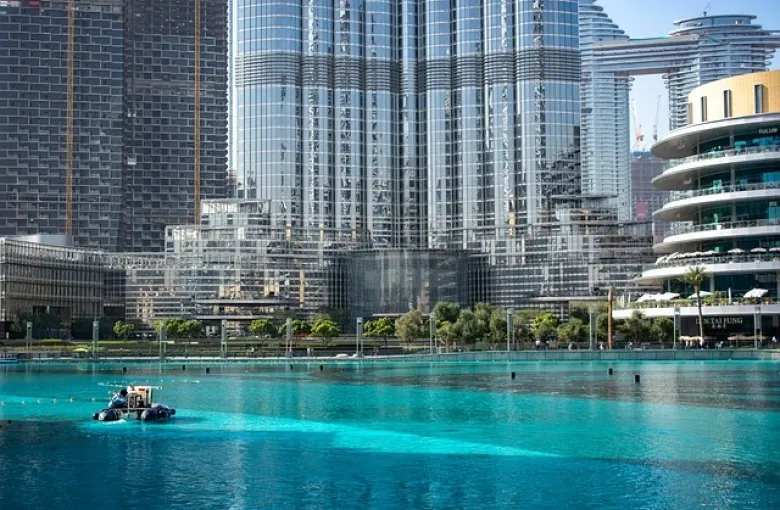
- The Burj Khalifa observation deck, lift-served throughout.
- The Dubai Fountain from a terrace with dinner.
- A desert camp in a comfortable vehicle, with dune bashing declined without embarrassment; most operators are happy to arrange a gentler drive.
Planning with LABUSA Travel
We build slower UAE itineraries around the season and the time of day, and we raise the medication question early because it is the one that catches travelers out.
Sources
- US Centers for Disease Control and Prevention: Travelers’ Health, United Arab Emirates: vaccination and heat guidance. Accessed 11 August 2026.
- Visit Dubai, Dubai Department of Economy and Tourism: official visitor information for the emirate of Dubai. Accessed 11 August 2026.
- Experience Abu Dhabi, Department of Culture and Tourism: official visitor information for the emirate of Abu Dhabi. Accessed 11 August 2026.
- UK Foreign, Commonwealth & Development Office: UAE travel advice, including local laws, customs and entry requirements. Accessed 11 August 2026.
Other Articles

Accessible Travel in Dubai and Abu Dhabi

Getting Around Dubai and Abu Dhabi