Canada runs more than five thousand kilometers from the Atlantic to the Pacific and reaches north into the Arctic, so a single best month does not exist. What exists is a set of regional seasons that barely overlap. In February the Rockies are at their best and the Maritimes are shut in. In August the Yukon has light until midnight and southern Ontario is humid. The useful question is not when to come but which Canada you are coming for.
Summer, and what it opens
From late June to early September almost everything in the country is open at once. Mountain passes are clear, park shuttles run, the coastal ferries are on their full timetable, and the long northern daylight makes a driving day feel twice its length. It is also when Canadians themselves travel, so the national parks, the island ferries and the good hotels in the Rockies sell out months ahead rather than weeks.
Two things complicate the picture and both are worth planning around rather than hoping past. Wildfire smoke can reduce visibility and air quality over large areas, and the CDC keeps a standing note that Canada is experiencing wildfires with advice to limit exposure. The FCDO adds that fires can start at any time whatever the season, with particular risk in the grasslands and forests of the west and in forested parts of Quebec, Ontario and Nova Scotia during the summer months. Hurricanes can reach the Atlantic coast between July and November.
Winter, and what it is for
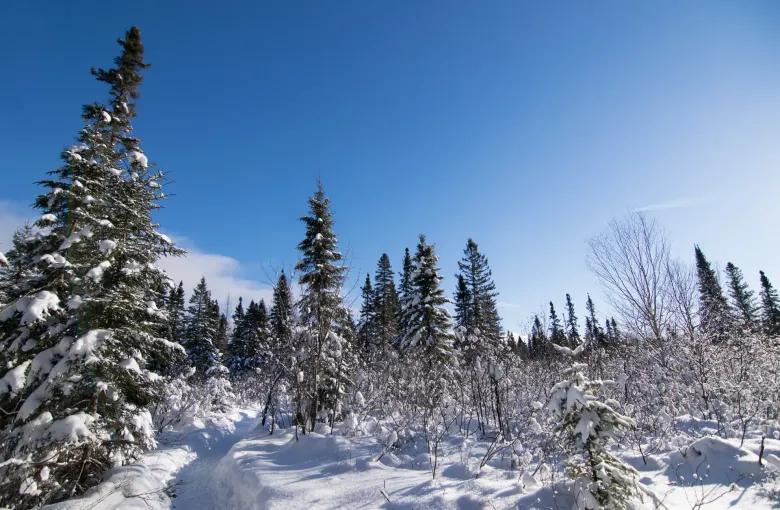
Winter is not the off season here, it is a different product. Skiing in British Columbia and Alberta, the Quebec Winter Carnival in February, northern lights viewing in the territories, and a genuine culture of being outside in the cold. Prices in the mountain resorts peak rather than fall. What does close is much of the rural east and a great deal of the park infrastructure in between, so a winter itinerary has to be built around places that want visitors in January.
The shoulder weeks are the value
Late May and early June, and the second half of September into the first week of October, give open facilities and a fraction of the crowding. Fall color runs through the Maritimes, Quebec and Ontario from late September, moving south and east over about three weeks. In the Rockies the larches turn gold for roughly a fortnight in late September, which is the single most oversubscribed two weeks in the mountain parks.
Elevation is a separate calendar
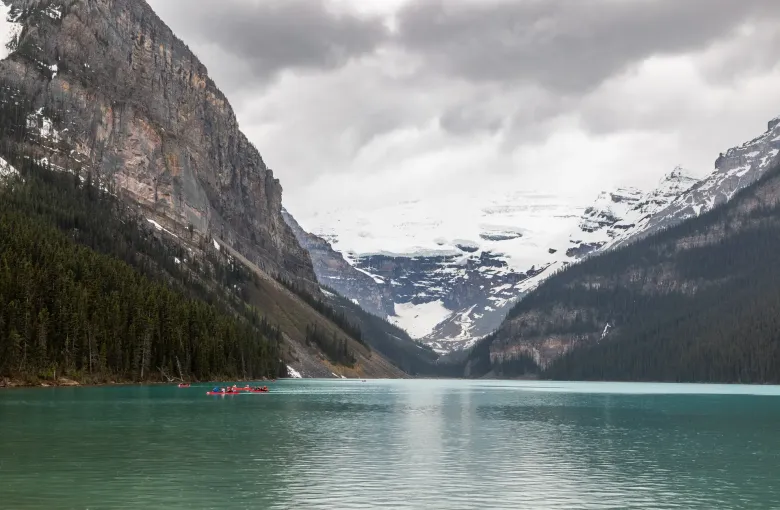
In the mountains the season is set by height rather than by date. A trailhead at 1,600 meters and a pass at 2,300 meters are not in the same month even when they are an hour apart. Snow lingers on the high routes into July and returns in September, and the FCDO records that altitude sickness is a risk in parts of Canada including Banff and Lake Louise. Give yourself a day at elevation before a hard walk, whatever the calendar says.
Sources
- UK Foreign, Commonwealth and Development Office: Canada safety and security: the record that illegal drugs carry severe penalties including long jail sentences and heavy fines, that recreational cannabis is legally available with laws that vary by province and territory, that taking cannabis across the Canadian border without a permit or exemption from Health Canada is illegal and leads to arrest, that wildfires can start at any time whatever the season with particular risk in western grasslands and forests and in forested parts of Quebec, Ontario and Nova Scotia during the summer, that hurricanes can affect coastal areas from July to November, that avalanches happen in mountainous parts of Alberta and British Columbia, and that hikers and campers should pack out all food waste and take particular care where bears have been sighted. Accessed 17 September 2026.
- Centers for Disease Control and Prevention: Canada traveler health: a destination record at Level 1, Practice Usual Precautions, carrying a notice about a hepatitis A outbreak in Manitoba dated 4 June 2026 and a global measles notice, a standing note that Canada is experiencing wildfires and advice to limit smoke exposure and wear a NIOSH approved respirator outdoors in affected areas, a recommendation that routine vaccines are up to date, and the record that dogs infected with rabies are not commonly found in Canada while rabies is commonly found in some terrestrial wildlife species and in bats. Accessed 17 September 2026.
Other Articles
Canada Weather Guide
Banff and the Rockies: Visitor and Heritage Guide