Age is not the variable on a trip like this one. Stamina, altitude and the length of a driving day are, and they are worth planning around whether you are fifty or eighty. What makes Canada a good choice is that almost every system is familiar: the language, the plugs, the road rules, the way a restaurant works. Very little of your attention is spent on mechanics.
Why it is an easy trip
Flights from most of the United States are short. There is no significant time change from much of the country. Medical care, while expensive for a visitor, is excellent and available. Signage, road rules and hotel conventions are the ones you already know, apart from the metric speedometer and the fact that tax is added at the register.
Altitude, if the Rockies are on the list
The FCDO records that altitude sickness is a risk in parts of Canada, including skiing and hiking destinations in the Canadian Rockies such as Banff and Lake Louise. Banff townsite sits at about 1,400 meters and the viewpoints and trails climb well above it. The practical response is to build in a day at elevation before anything strenuous, to drink more water than feels necessary, and to speak to your own doctor before booking if you have a heart or lung condition. Gondolas at Banff, Lake Louise and Jasper reach high viewpoints without the walk, which is a perfectly good way to see the mountains.
Distance is the thing most trips get wrong
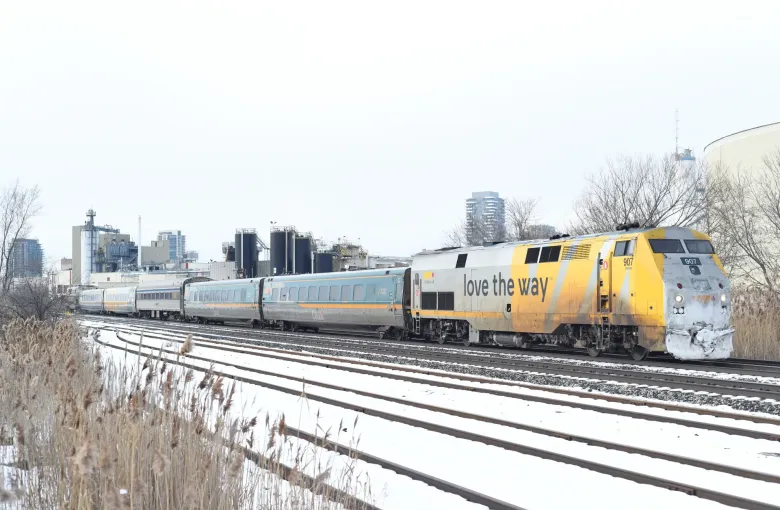
Canadian driving distances are larger than they look and a day that reads as a pleasant drive can be seven hours. Two practical answers. Use internal flights between regions rather than driving them, since the domestic network is good. And consider the train in the corridor between Quebec City, Montreal, Ottawa and Toronto, where it is genuinely faster and easier than flying, with no security line and the ability to walk about.
Health and insurance
This is the paragraph that matters most. Canada's public health system is for residents. The FCDO tells British travelers that treatment can be very expensive and that there are no special arrangements for them, and the same arithmetic applies to any visitor without provincial coverage. Medicare does not travel with you outside the United States. Buy a policy that covers treatment and medical evacuation, declare pre-existing conditions honestly, and carry the policy number somewhere you can reach it.
Bring medication in its original packaging with the prescribing information, enough for the trip plus a few days, in your cabin bag. The CDC advises that routine vaccines be up to date and lists Canada at Level 1, Practice Usual Precautions. The emergency number is 911.
Pacing, and where it is easy
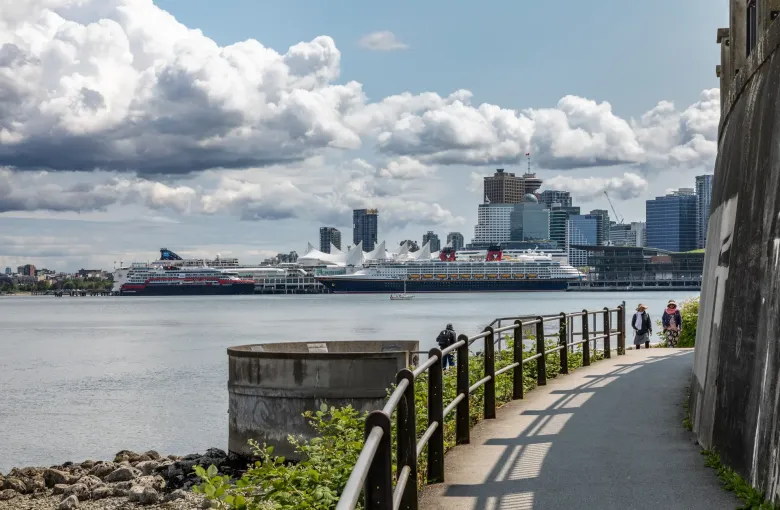
Some older travelers will walk all day and some will want the gondola, and that is a question about the person rather than about the birthday. Places that reward an unhurried pace: the Butchart Gardens and Victoria on Vancouver Island, the Stanley Park seawall in Vancouver, which is paved and level, the Cabot Trail as a drive with frequent stops, Niagara-on-the-Lake, and the Lower Town of Old Quebec reached by funicular rather than by the staircase.
Many attractions, VIA Rail and some transit systems offer senior fares, usually from 60 or 65, and photo identification is enough. It is worth asking at the counter every time, because it is frequently not advertised.
Sources
- UK Foreign, Commonwealth and Development Office: Canada health: the record that the emergency medical number is 911 and that a caller should ask for an ambulance, that medical treatment can be very expensive with no special arrangements for British visitors, that travel insurance should cover local treatment and unexpected medical evacuation, and that altitude sickness is a risk in parts of Canada including skiing and hiking destinations in the Canadian Rockies such as Banff and Lake Louise. Accessed 17 September 2026.
- UK Foreign, Commonwealth and Development Office: Canada safety and security: the record that illegal drugs carry severe penalties including long jail sentences and heavy fines, that recreational cannabis is legally available with laws that vary by province and territory, that taking cannabis across the Canadian border without a permit or exemption from Health Canada is illegal and leads to arrest, that wildfires can start at any time whatever the season with particular risk in western grasslands and forests and in forested parts of Quebec, Ontario and Nova Scotia during the summer, that hurricanes can affect coastal areas from July to November, that avalanches happen in mountainous parts of Alberta and British Columbia, and that hikers and campers should pack out all food waste and take particular care where bears have been sighted. Accessed 17 September 2026.
- Centers for Disease Control and Prevention: Canada traveler health: a destination record at Level 1, Practice Usual Precautions, carrying a notice about a hepatitis A outbreak in Manitoba dated 4 June 2026 and a global measles notice, a standing note that Canada is experiencing wildfires and advice to limit smoke exposure and wear a NIOSH approved respirator outdoors in affected areas, a recommendation that routine vaccines are up to date, and the record that dogs infected with rabies are not commonly found in Canada while rabies is commonly found in some terrestrial wildlife species and in bats. Accessed 17 September 2026.
Other Articles
Accessible Travel in Canada
Getting Around Canada