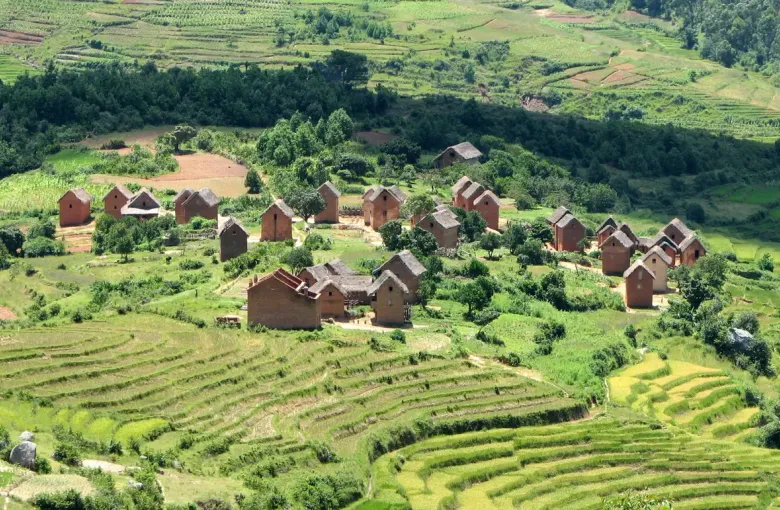
Madagascar rewards a slower trip
The single best decision an older traveler can make here is to see less of the island and more of each place. Distances are long, roads are slow, and the standing advice to move in daylight caps the usable day. A compressed circuit turns a wonderful country into a series of drives.
⚠ The healthcare position, which should be settled first
The FCDO says Antananarivo's public and private hospitals can only handle routine operations, and that patients needing complex surgery are flown to Mauritius, South Africa or Réunion.
So: buy travel insurance that explicitly covers medical evacuation, declare pre-existing conditions honestly, read what the policy actually pays for, and carry accessible funds. Bring medication in original labeled packaging with a copy of the prescription, and enough of it to cover delays. The emergency medical number is 117 from a mobile, 17 from a landline.
Start health preparation at least eight weeks before departure. The FCDO names malaria, dengue, schistosomiasis and mpox among the risks here, and the CDC covers routine vaccination, rabies and typhoid as well.
Altitude and heat
Two different problems, on the same island.
- Altitude. The FCDO lists altitude sickness as a risk in parts of Madagascar. The central highlands are high enough to be noticeable. Arrive, rest, and do not schedule the most demanding day first.
- Heat. The west and southwest are hot, and the end of the dry season is hotter. Plan activity for the early morning, and treat the middle of the day as time to be somewhere shaded.
Tap water is unsafe, so carry treated or bottled water and drink more than you think you need. See Madagascar Weather Guide.
Fly the long legs
This is the recommendation that changes the trip most. Internal flights cost more and remove whole days of driving and whole categories of risk. The FCDO advises flying to Fort Dauphin specifically, and for other long legs it is a straightforward comfort and safety trade. Price flights before the itinerary is fixed, not after.
Where you do drive, use a private vehicle and driver arranged through your accommodation or an operator, which is what the FCDO's advice points at anyway. Its advice against multi-passenger taxi vans applies to everyone. See Getting Around Madagascar.
Which experiences reward the effort
- Ambohimanga. A half day from Antananarivo, historically rich, and a guide can pace it. Steps and uneven ground, but no endurance required.
- Ankarafantsika and Ankarana, components of the Andrefana Dry Forests, give you dry forest, caves and lemurs without the harnesses and ladders of the Tsingy circuits.
- Ranomafana can be done as short guided walks near the entrance rather than a full forest day. Say so when booking.
- Coastal and island lodges. Level ground, short distances, and the best effort-to-reward ratio in the country. Read the safety guidance about isolated beaches first.
- Whale watching, roughly July to September off the east coast, which is a boat trip rather than a walk.
Pacing that works
- Two nights minimum anywhere worth going; three is better.
- One major activity a day, in the morning.
- A rest day after any long transfer, and a spare day before an international flight home.
- Accommodation chosen for the route from the car park, not the photograph of the view.
A note on the current situation
The FCDO records significant protests in Antananarivo and elsewhere in late September and early October 2025, and a transitional government formally established on 17 October 2025. Its standing advice is to avoid large gatherings and demonstrations. That is easy to follow and worth following. Check the advisory yourself close to departure. See Madagascar Travel Safety Guide.
For the accessibility questions in more detail, see Accessible Travel in Madagascar.
Sources
- UK Foreign, Commonwealth & Development Office: Madagascar health advice: the emergency number, the named health risks, unsafe tap water and what the hospitals in Antananarivo can and cannot do. Accessed 14 September 2026.
- UK Foreign, Commonwealth & Development Office: Madagascar safety and security: crime, beaches, vehicle crime, the advice against taxi-brousses and the false-police warning. Accessed 14 September 2026.
- UK Foreign, Commonwealth & Development Office: Madagascar regional risks, region by region, including the named roads and the southern triangle. Accessed 14 September 2026.
- US Centers for Disease Control and Prevention: Travelers’ Health, Madagascar: malaria, schistosomiasis, rabies, typhoid and routine vaccination. Accessed 14 September 2026.
Other Articles
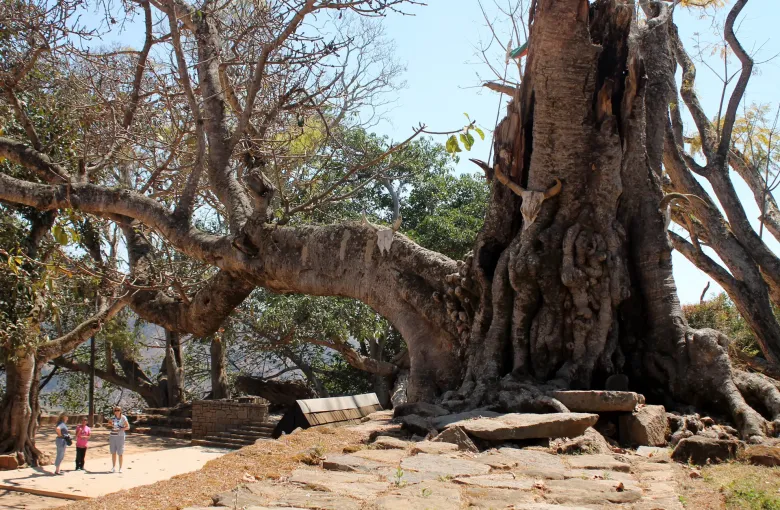
Accessible Travel in Madagascar
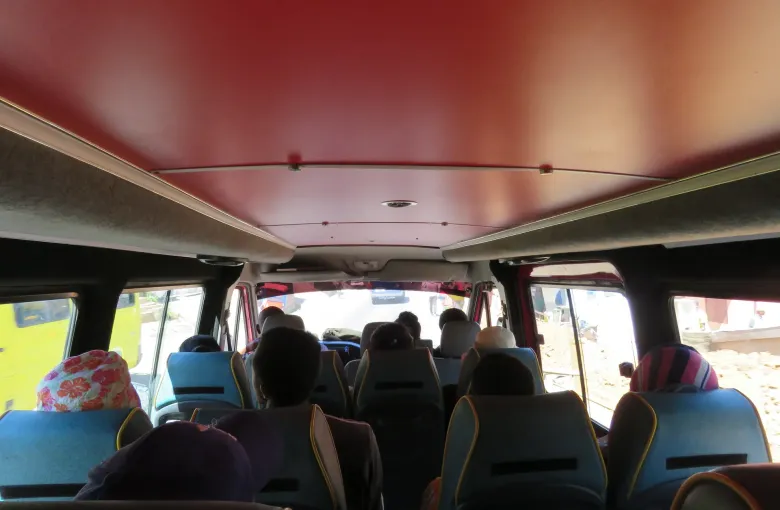
Getting Around Madagascar