The short version
May to October is the straightforward answer, and for a first trip it is very likely the right one. It is the dry, cooler half of the year, the roads are at their best, and the west and southwest are comfortable rather than punishing.
Why the dry season is about roads, not sunshine
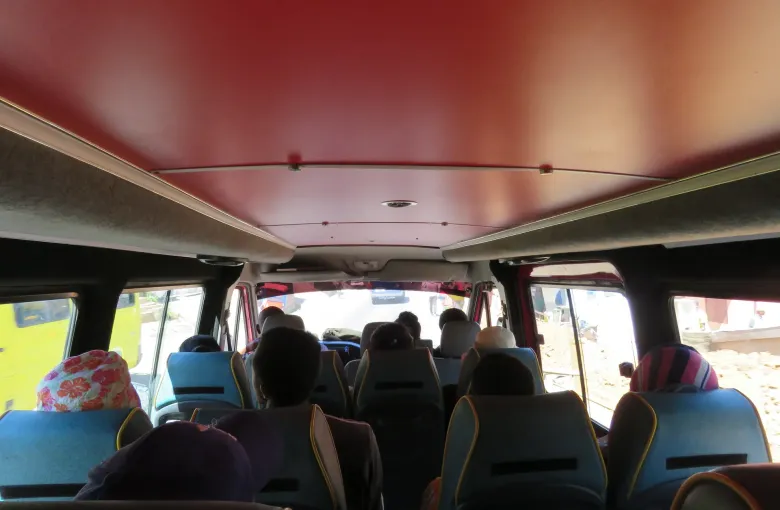
Most destinations trade rain for crowds. Madagascar trades rain for access. A great deal of what people come for sits at the end of an unsealed road, and the FCDO's regional advice already describes roads in the southern triangle as being in poor condition in normal circumstances. Add a wet season and some of them stop being roads.
That is the real argument for traveling between May and October, and it is a stronger one than the weather.
What each window gives you
May and June
The rains have gone, the landscape is still green, and the highlands are cool and clear. Fewer visitors than the middle of the year. An excellent, slightly underrated window.
July to September
The heart of the dry season and the busiest months. Cold nights in the highlands. This is also when humpback whales are present off the east coast, around Île Sainte-Marie and the Baie d'Antongil, on their annual migration. If whales are the point of the trip, this is the window and it is not negotiable.
October and November
Warming, mostly still dry, and often the sweet spot. Lemur watching is good across the season, but many species give birth in the warmer months and the forests are increasingly active. Book earlier than you think for October.
December to April
Hot, wet and the cyclone window. The rainforest is extraordinary and the west can be unreachable. Some lodges close. Prices fall. This is a season for a second visit, for photographers, for people who want the eastern forests at full volume and are prepared to lose days to weather.
Match the month to the place
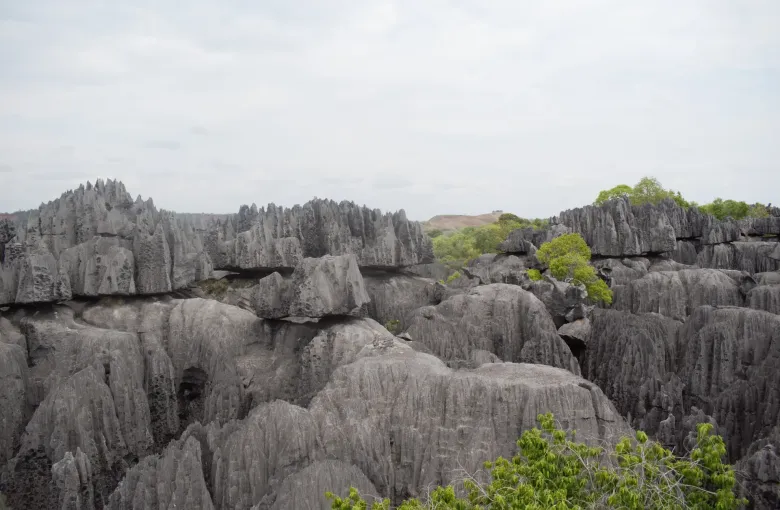
- Tsingy and the west, meaning the Andrefana Dry Forests: the dry season, firmly. Access tracks to the Tsingy are the classic casualty of rain.
- Eastern rainforest, the Rainforests of the Atsinanana: possible year round; wettest and most alive in the hot months; most comfortable September to November.
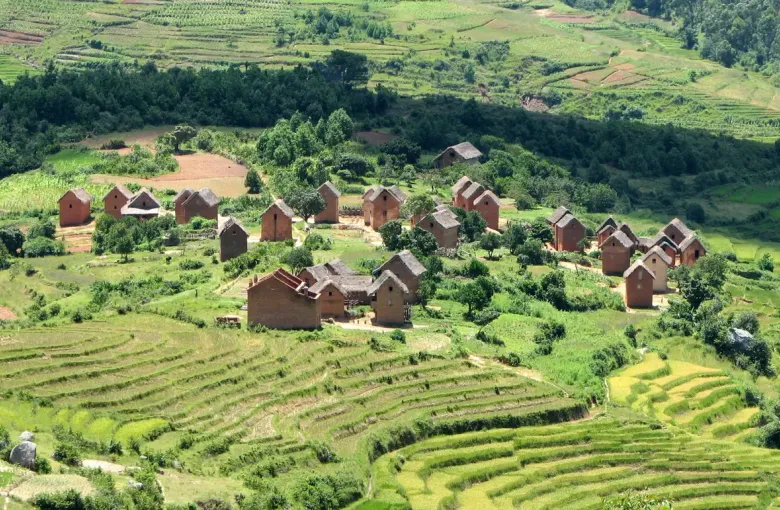
- The highlands and Ambohimanga: pleasant most of the year, cold at night in the middle of it.
- Beaches and islands: best in the dry season, and read Madagascar Travel Safety Guide before you plan an isolated one.
How long to allow
Madagascar is large and slow. Distances that look like a morning on a map are a day, and the FCDO's advice to travel in convoy, to use recognized operators and to fly to Fort Dauphin all point the same way. Two weeks lets you do the highlands and one other region properly. One week means choosing one region and staying in it, which is a far better trip than trying to cross the island.
For the weather behind these recommendations, see Madagascar Weather Guide.
Sources
- UK Foreign, Commonwealth & Development Office: Madagascar safety and security: crime, beaches, vehicle crime, the advice against taxi-brousses and the false-police warning. Accessed 14 September 2026.
- UK Foreign, Commonwealth & Development Office: Madagascar regional risks, region by region, including the named roads and the southern triangle. Accessed 14 September 2026.
- UNESCO World Heritage Centre: the inscription of the Rainforests of the Atsinanana and its statement of Outstanding Universal Value. Accessed 14 September 2026.
- UNESCO World Heritage Centre: the inscription of the Andrefana Dry Forests and the six protected areas that make up the property. Accessed 14 September 2026.
Other Articles
Madagascar Weather Guide
Andrefana Dry Forests: Visitor and Heritage Guide