The quick answer
Pack light, pack for rain whatever the month, and pack in layers. A typical Costa Rica itinerary crosses a hot dry coast, a humid rainforest, a cold cloud forest and a temperate valley within a few days, and the single biggest packing mistake is dressing for the postcard.
The four climates you are packing for
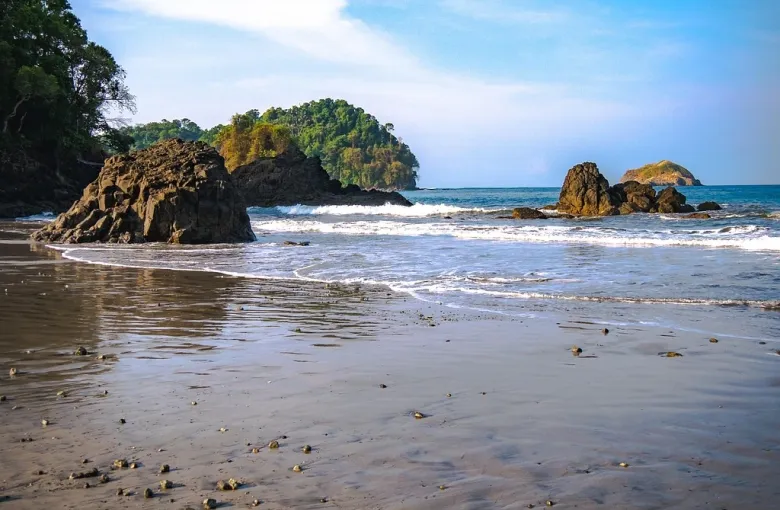
- Pacific coast and Guanacaste. Hot, bright, dusty in the dry months. Light clothing, serious sun protection, swimwear.
- Rainforest and the Caribbean. Warm, wet and humid. Quick-drying everything, because cotton does not dry here.
- Cloud forest, Monteverde and the highlands. Genuinely cold, often inside cloud. A fleece or light insulated layer, and a warm hat if you are going high.
- Central Valley. Warm days, cool evenings, unheated buildings. One warm layer for the evening.
Rain, properly
A folding umbrella is useful in town and useless on a trail. A light waterproof shell with a hood earns its place in every month of the year. A cheap plastic poncho packs to nothing and is worth having in the bag for the day a downpour arrives while you are an hour from shelter.
Assume your bag will get wet in transit at some point. Dry bags, or ordinary zip bags, for electronics, documents and anything you would be upset to lose are the cheapest insurance in this list. Boats to Tortuguero and along the Osa coast are the specific moment people learn this.
Footwear
Closed shoes with real grip, because trails are wet, rooted and steeper than they look, and because a lot of the wildlife you want to see lives at ankle height. Sandals for the beach and for town. If you are walking seriously in the wet season, expect boots to stay damp for days and pack accordingly, with more socks than feels reasonable.
Sun, insects and health
Reef-safe sunscreen, a hat with a brim and sunglasses. The sun is stronger than the temperature suggests, and strongest on the water and at altitude.
Insect repellent is a genuine health item here rather than a comfort one. Dengue is present and mosquito-borne, and the mosquitoes that carry it bite during the day, so repellent is a daytime habit. Long sleeves and long pants at dawn and dusk help. Take the CDC’s Costa Rica page seriously on this, and speak to a travel clinic well before you go about routine vaccinations and anything specific to your route.
Bring any prescription medication in its original labeled packaging, with enough for the whole trip and a little more, plus a copy of the prescription. Pharmacies are good and widespread, but do not travel assuming a particular product will be on the shelf.
What visitors most often wish they had brought
- Binoculars. This is one of the great wildlife destinations on earth and most people are looking at it with the naked eye.
- A dry bag, for the reason above.
- A quick-dry towel, for waterfalls and hot springs.
- A headlamp, for night walks and for power cuts in rural lodges.
- A reusable water bottle. Tap water is safe to drink in most of the country, including San José and the main tourist areas; ask locally in remote spots.
- A basic first aid kit with blister plasters, rehydration salts and something for insect bites.
What to leave at home
Heavy hiking boots for a trip that is mostly beaches. Anything valuable enough that losing it would spoil the trip. A hairdryer, which almost every hotel has. Camouflage clothing, which is restricted in several countries in the region and is a needless complication. And most of the clothes you packed, because laundry is cheap, quick and everywhere.
Planning with LABUSA Travel
Tell us the route and we will tell you which of these you actually need. A Guanacaste beach week and a Monteverde and Osa itinerary need very different bags.
Sources
- US Centers for Disease Control and Prevention: Travelers’ Health, Costa Rica: vaccination, mosquito-borne illness and food and water guidance. Accessed 11 August 2026.
- SINAC, Sistema Nacional de Áreas de Conservación: the national protected-area system, which sets opening arrangements, capacity limits and access rules for every national park. Accessed 11 August 2026.
- Instituto Costarricense de Turismo: the national tourism board, including official entry guidance and protected-area visitor information. Accessed 11 August 2026.
Other Articles
Costa Rica Weather Guide
Getting Around Costa Rica