The quick answer
The currency is the Costa Rican colón. US dollars are accepted in a great deal of the tourism economy, which is convenient and quietly expensive: when you pay in dollars, the seller chooses the rate and usually gives your change in colones. Carry colones for everyday spending and keep dollars for the places that price in them.
No exchange rate appears on this page. It moves daily. The Banco Central de Costa Rica publishes the official reference rate and your bank will apply its own.
How the two currencies actually work together
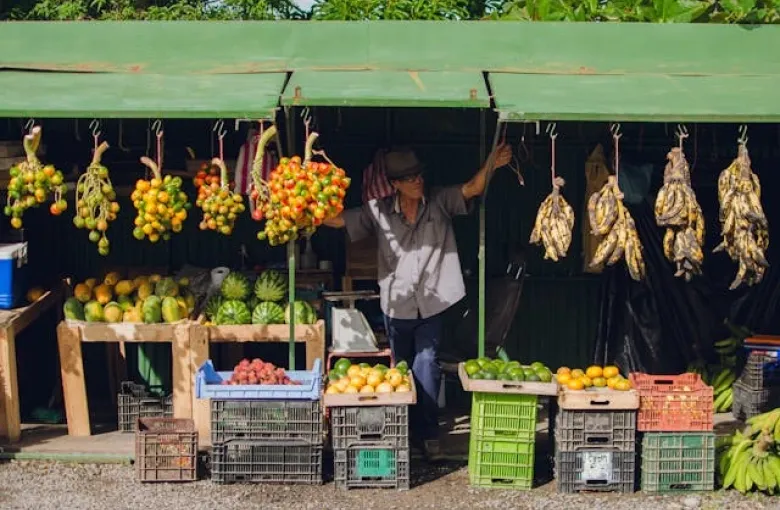
Hotels, tour operators, dive shops and car rental companies frequently quote in dollars. Supermarkets, buses, sodas, markets, pharmacies and anything away from the tourist corridors work in colones. Both are legal to use in much of the country, but the exchange rate you get when you hand over a dollar note is set by the person taking it, and it is rarely in your favor.
Two practical consequences. Break large dollar notes only where you are content with the rate. And expect mixed change, because receiving colones for a dollar payment is completely normal.
Cards
Card acceptance is good in cities, in the main tourist areas and in mid-range and upper hotels and restaurants. It thins quickly in rural areas, at small sodas, at roadside stops, on public transport and at some park entrances. Visa and Mastercard are far more widely accepted than other networks.
Two habits worth forming. Tell your bank you are traveling, because Costa Rican transactions trigger fraud blocks routinely. And when a terminal offers to charge you in your home currency rather than colones, decline: that is dynamic currency conversion and the rate is worse than your bank’s.
Cash and ATMs
ATMs are common in towns and scarce in the places you most want cash, so draw before you leave a town rather than after you arrive somewhere small. Many machines dispense both colones and dollars. Withdraw from machines attached to a bank branch during opening hours where you can, take the receipt, and be aware of who is around you.
Keep small notes. Buses, sodas, taxis and market stalls often cannot break a large one, and a driver who cannot give change is a problem you created.
What things cost, in shape rather than in numbers
Costa Rica is more expensive than its neighbors, and visitors regularly arrive expecting Central American prices and find something closer to North American ones in the tourism sector. Imported goods, rental cars and organized activities are the categories that surprise people most. Eating where Costa Ricans eat, using the bus network and buying at markets brings costs down sharply, and the gap between the tourist economy and the everyday one is wide enough to be worth crossing.
Tipping and what is already on the bill
Restaurants add a service charge and value-added tax to the bill by law, and both appear as separate lines on it. The service charge means you are not leaving anyone short by adding nothing further. Rounding up or leaving a little extra for genuinely good service is appreciated and is not expected. The percentages are set by law rather than by custom and are not published here because they change; read the bill, which itemises them.
Guides and drivers on multi-day trips are the exception and are customarily tipped. Ask your operator what is normal on your particular trip rather than applying a rule from home.
Practical habits
- Carry a mix: colones for daily spending, some dollars for dollar-priced services.
- Split cash and cards between more than one place, and use the room safe.
- Keep a low-value note accessible so you are not opening a full wallet in public.
- Check bills for the service charge before adding a tip on top of it.
Planning with LABUSA Travel
We will tell you which parts of your itinerary price in dollars, where you will need cash, and where the nearest reliable ATM is on a route that does not have many.
Sources
- Instituto Costarricense de Turismo: the national tourism board, including official entry guidance and protected-area visitor information. Accessed 11 August 2026.
- UK Foreign, Commonwealth & Development Office: Costa Rica travel advice, including safety, local laws and entry requirements. Accessed 11 August 2026.
- US Department of State: Costa Rica International Travel Information and the current travel advisory. Accessed 11 August 2026.
Other Articles

Getting Around Costa Rica
Costa Rica Food Guide